

Author name: PTSD Updates Editorial Team

PTSD Updates Editorial Team is the accountable publishing team for PTSD Updates. The team develops and maintains clear, research-informed content about Ptsd Recovery, PTSD Support, Veterans Ptsd, Ptsd Healing, Post Traumatic Stress Disorder, and Ptsd Groups to help readers understand the subject and make informed decisions. The team is responsible for editorial decisions, appropriate sourcing, clear explanations, factual consistency, and corrections.

PTSD Support

PTSD-Related Avoidance of Firearms and Weapon Storage Decisions: Safety Choices, Warning Signs, and Action Steps

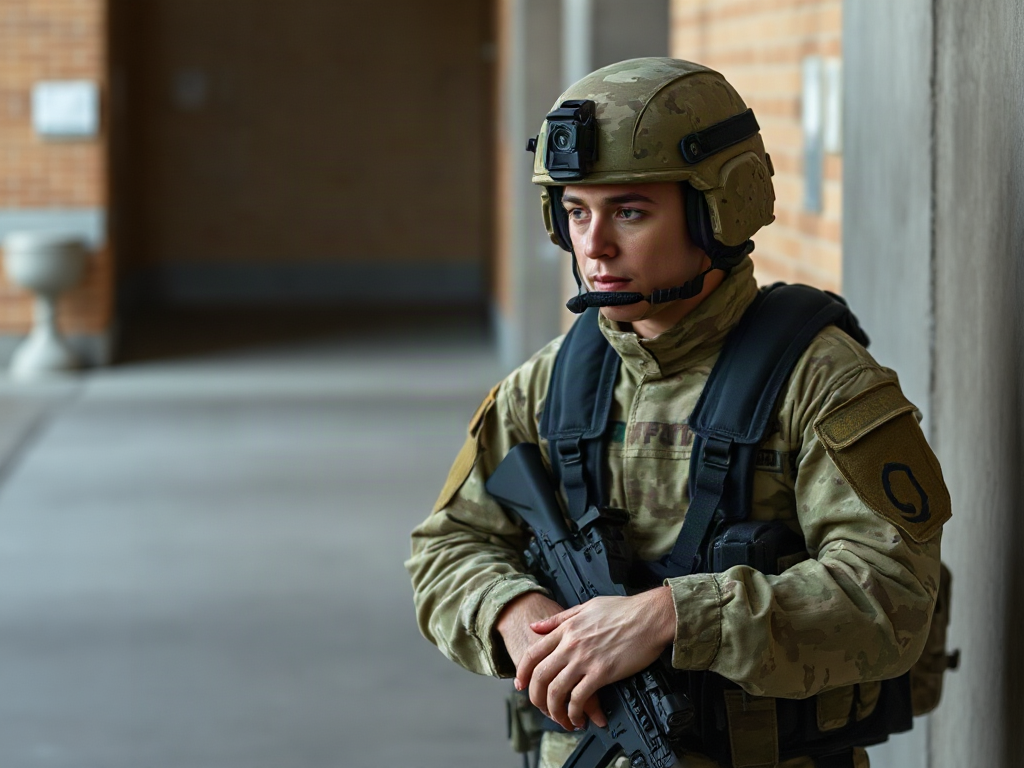
PTSD-related avoidance of firearms and weapon storage decisions often reflects trauma-linked threat sensitivity, distressing reminders, fear of losing control, or uncertainty about handling weapons safely. The safest response is neither forced exposure nor an abrupt permanent decision; it is a calm, documented storage plan developed with a qualified mental-health professional…

PTSD Support

How Service-Related Hearing Loss Complicates PTSD Treatment: Communication Barriers, Triggers, and Care Adjustments

Service-related hearing loss complicates PTSD treatment because missed words, distorted voices, and unexpected sounds can increase mistrust, isolation, and threat responses during care. A clinician may mistake hearing-related confusion for avoidance, poor concentration, irritability, or dissociation, while the patient may experience ordinary clinical conversation as exhausting or unsafe.

PTSD Support

How Combat PTSD Changes Reactions to Authority Figures: Causes, Patterns, and Practical Responses

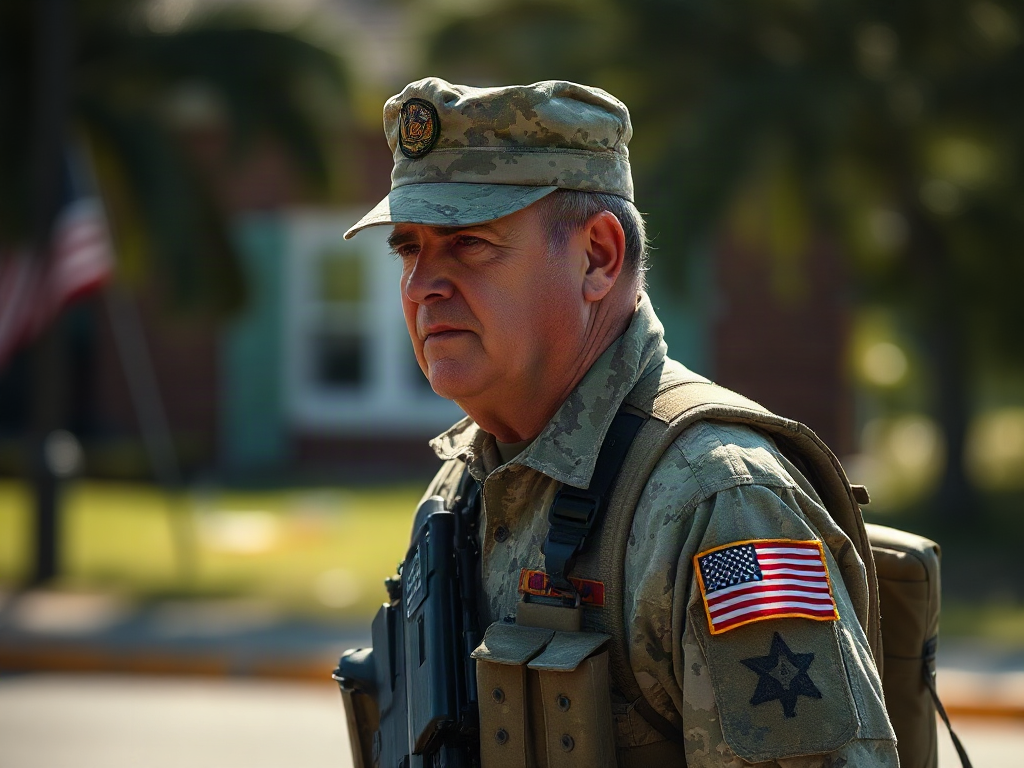
Combat PTSD can change reactions to authority figures by making commands, criticism, surveillance, or power differences feel connected to danger, loss of control, or past military experiences. A veteran may respond with irritability, argument, withdrawal, freezing, heightened alertness, or automatic compliance even when the present authority figure is not threatening.

Ptsd Recovery

Why Returning to the Deployment Location Can Reactivate PTSD: Causes, Warning Signs, and Safer Reentry

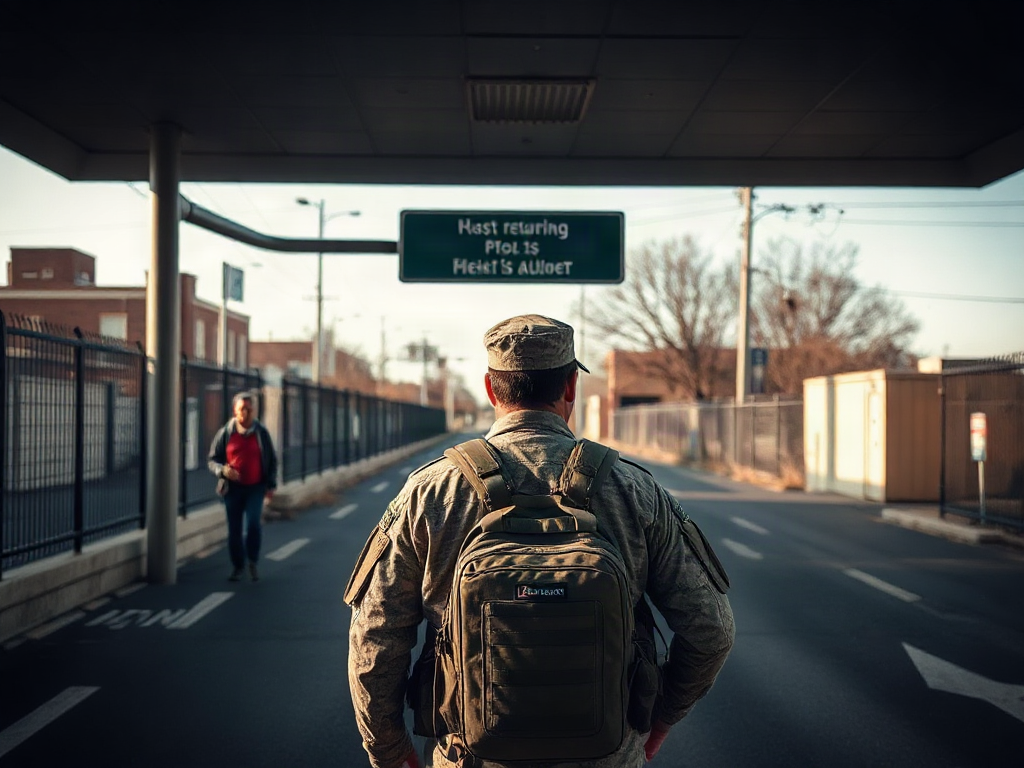
Returning to the deployment location can reactivate PTSD because familiar sights, sounds, smells, routes, and social conditions may reconnect the brain with danger memories before a person consciously identifies the trigger. The location can also bring back survivor guilt, unresolved grief, loss of unit structure, or fear linked to specific…

PTSD Support

PTSD Symptoms That Worsen During Military Anniversaries: Warning Signs, Timing, And Coping Steps

PTSD symptoms that worsen during military anniversaries often include intrusive memories, nightmares, irritability, avoidance, hypervigilance, sleep disruption, and emotional numbness. The date may reactivate trauma associations through reminders such as memorial events, news coverage, unit messages, names, weather, or familiar sounds, even when a person feels stable at other times.

PTSD Support

Preparing for a Psychiatric Evaluation When Trauma Memories Go Blank: A Memory-Blank Checklist

Preparing for a psychiatric evaluation when trauma memories go blank means documenting symptoms, gaps, triggers, and daily effects without forcing a complete trauma narrative. Memory loss during discussion may be linked to dissociation, intense anxiety, stress-related concentration problems, sleep disruption, medication effects, or other conditions, so it should be reported…

PTSD Support

PTSD and Appetite Changes After Leaving a Structured Military Environment (Meal Timing, Stress Signals, and Support Options)

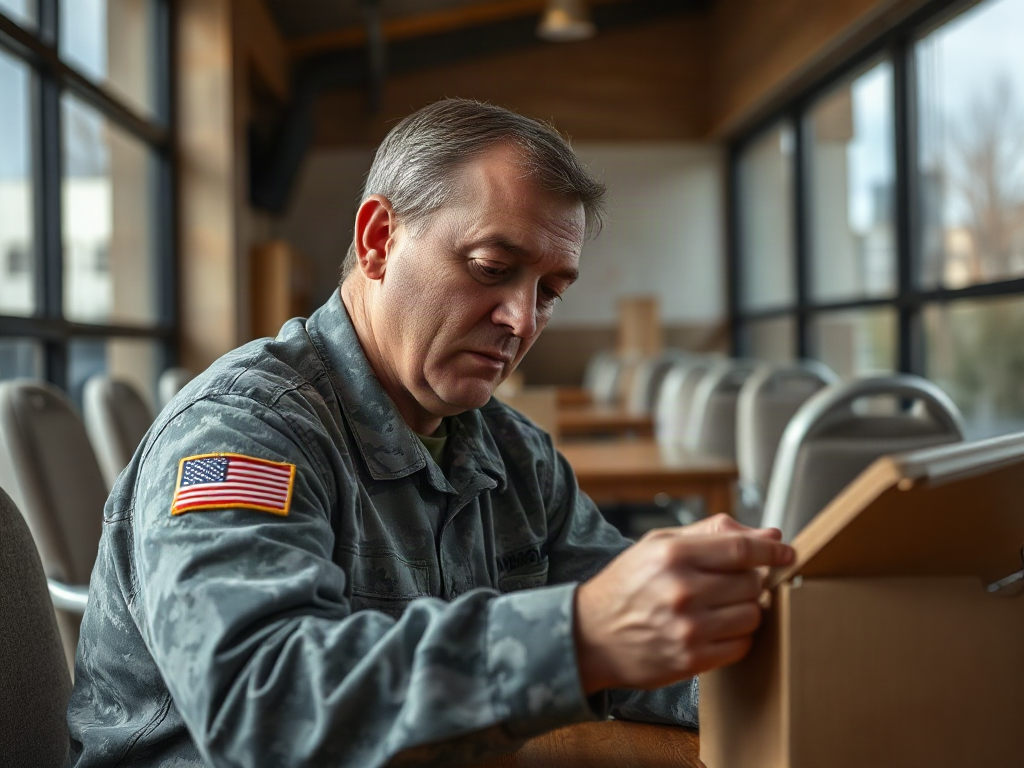
PTSD and appetite changes after leaving a structured military environment often reflect the loss of scheduled meals, changes in sleep and activity, trauma reminders, and stress-related shifts in digestion or hunger signals. Some veterans skip meals because civilian routines feel unstructured, while others eat rapidly, rely on highly convenient foods…

Scroll to Top