
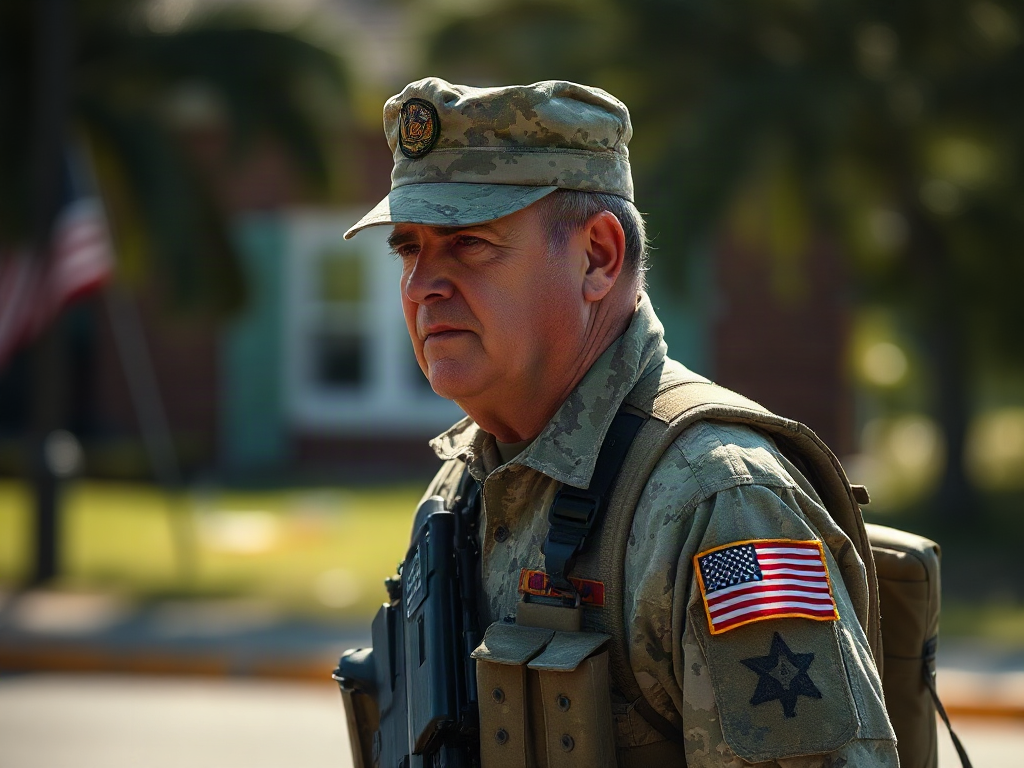
Combat PTSD can change reactions to authority figures by making commands, criticism, surveillance, or power differences feel connected to danger, loss of control, or past military experiences. A veteran may respond with irritability, argument, withdrawal, freezing, heightened alertness, or automatic compliance even when the present authority figure is not threatening. Tone of voice, sudden instructions, crowded workplaces, and perceived unfairness can intensify the response. Helpful approaches include identifying specific cues, slowing the interaction, using clear and respectful communication, and discussing treatment or workplace accommodations with qualified professionals.
Why Authority Cues Can Feel Threatening
Combat PTSD may alter the way the nervous system interprets authority, especially when a person associates rank, orders, evaluation, or punishment with experiences that involved real danger. The present interaction may be ordinary, but a sharp command from a supervisor, a uniform, a closed office, or an unexpected inspection can resemble elements of a former high-risk environment. The reaction often begins before deliberate reasoning has time to evaluate whether the situation is safe.
This does not mean every veteran distrusts authority or that every difficult interaction is caused by PTSD. The response depends on the person’s experiences, current stress, sleep, pain, substance use, depression, and relationship with the particular authority figure. Someone may be calm with a respectful manager but become tense when confronted publicly by a supervisor who stands close and speaks abruptly. Another person may react more strongly to medical staff, police officers, government agencies, or family members who use controlling language.
Several mechanisms can be involved:
- Threat detection: the brain may scan quickly for danger when a command or evaluation resembles a past threat.
- Loss-of-control sensitivity: being ordered to act without explanation may evoke memories of having limited choices in combat.
- Conditioned responses: a voice, posture, setting, or phrase may trigger anger, fear, freezing, or automatic obedience.
- Moral injury and mistrust: perceived betrayal, unjust orders, or institutional failures may make authority especially difficult to accept.
A useful distinction is between disagreement and trauma activation. Disagreement usually remains connected to the current issue and can shift when new information appears. Trauma activation may produce a sudden surge of bodily alarm, narrowed attention, unusually intense anger, or a need to escape. Recognizing that difference can guide the next move without treating the veteran as irrational or reducing every boundary dispute to a symptom.
Readers researching how combat ptsd changes reactions to authority figures should avoid the assumption that respect alone will resolve the problem. Respectful treatment can lower unnecessary threat cues, but persistent reactions may require trauma-focused care, medication review, sleep support, or a structured plan for difficult settings.
Common Reactions in Work, Family, and Care Settings
Authority-related PTSD reactions can look very different from one person to another. Irritability and verbal confrontation are visible, but withdrawal, silence, rigid compliance, and emotional detachment may reflect the same underlying alarm. A veteran who stops answering questions during a performance review may be overwhelmed rather than indifferent. Someone who agrees to every instruction and later avoids the task may have entered a freeze or submit response instead of making a freely considered decision.
At work, common pressure points include surprise meetings, public correction, unclear expectations, micromanagement, and disciplinary language. A manager who says, “Do it now and do not question me,” may intend efficiency but unintentionally reproduce a command environment. The employee might argue, leave abruptly, become visibly tense, or spend the rest of the day monitoring the manager’s behavior. A private explanation, advance notice, and specific task instructions may work better than escalating volume or invoking rank.
Healthcare settings can create a different pattern. A clinician’s questions about medications, substance use, suicidal thoughts, or traumatic experiences may feel intrusive, particularly when the patient expects judgment or loss of autonomy. Avoiding appointments can then become a practical consequence of the reaction. Asking permission before sensitive questions, explaining why information is needed, and offering choices where clinically possible may increase participation without weakening appropriate medical boundaries.
Family members can also become perceived authority figures when they control finances, transportation, medication reminders, household rules, or decisions involving children. A partner’s repeated checking may be intended as support but can feel like surveillance. Conversely, a veteran’s demand that nobody question them may place an unfair burden on the household. The workable goal is not total deference; it is communication that preserves dignity while maintaining safety and shared responsibilities.
One common mistake is labeling every strong response as “anger.” Anger may be the outward layer over fear, shame, helplessness, or sensory overload. Asking, “What did you notice in your body just before you reacted?” can reveal a racing heart, clenched jaw, tunnel vision, or urge to leave. That information is more useful than arguing about whether the reaction was justified after the nervous system has already escalated.
What Makes an Interaction Escalate
Escalation often follows a sequence: a cue is noticed, the body shifts into alarm, the person assigns meaning to the interaction, and the response becomes more forceful or avoidant. The authority figure may then interpret the behavior as defiance and increase pressure, confirming the veteran’s expectation that control is being taken away. The cycle can develop within seconds.
Communication style matters. Raised voices, sudden movements, public criticism, blocking an exit, sarcasm, and vague threats can intensify perceived danger. So can inconsistent rules. A supervisor who overlooks one person’s mistake but punishes another without explanation may activate sensitivity to unfairness. A police or security encounter may carry additional risk because the authority figure has legitimate power to restrict movement, yet the veteran’s trauma response may make abrupt compliance difficult.
That does not make authority figures responsible for managing every symptom, and it does not make unsafe conduct acceptable. The practical comparison is between reducing avoidable triggers and removing necessary limits. A manager can provide a written instruction instead of shouting, but cannot ignore harassment. A clinician can offer a pause, but still must address urgent medical concerns. A family member can speak calmly, but does not have to remain in a room where threats are being made.
When an interaction begins to intensify, specific observations are more effective than character judgments. “Your voice became louder and you moved toward the door” is more useful than “You are acting crazy.” The veteran can use a similarly concrete statement: “The command tone is making it hard for me to process this; give me a minute and tell me the next step in writing.” Neither statement settles the underlying disagreement, but both reduce the chance that shame and defensiveness will drive the next exchange.
Another failure mode is forcing immediate disclosure of combat details. A person does not need to describe the entire trauma in order to request a calmer interaction or a short break. Pressuring for an explanation can increase exposure and make future help-seeking less likely. The relevant question is usually what support is needed now, not whether the person can prove the origin of the response.
Practical Ways to Handle Authority-Related Reactions
The most useful plan identifies predictable cues and creates a response that can be used before judgment becomes impaired. The veteran, authority figure, or support person can record what happened after an interaction: who gave the instruction, the exact wording, location, time of day, physical sensations, thoughts, behavior, and what reduced or worsened the reaction. This is not a test of blame. It helps distinguish a specific trigger, such as public correction, from a broader problem with all supervision.
A simple interaction plan may include these priorities:
- Reduce surprise: request advance notice for evaluations, meetings, or changes in duties when feasible.
- Clarify the instruction: ask for the specific action, deadline, and reason rather than debating the authority relationship.
- Lower stimulation: move to a quieter or more private setting when public attention, noise, or crowding is adding pressure.
- Use a pause agreement: define how to take a brief break and when the conversation will resume.
- Review the result: note whether the plan reduced escalation, delayed the problem, or needs professional refinement.
Grounding should be concrete rather than performative. Feeling both feet on the floor, naming several objects in the room, lengthening the exhale, or silently identifying the current date can help orient attention to the present. These techniques may be less effective once a person is already highly activated, so practicing them during calm periods matters. They are not substitutes for treatment and should not be used to force someone to remain in an unsafe encounter.
Authority figures can help by stating expectations without humiliation: “I need this report by Friday. We can discuss questions privately.” Offering limited choices can restore agency without making rules optional. For example, a supervisor might ask whether the employee prefers to review the assignment now or receive it by email, while keeping the deadline unchanged. The tradeoff is that extra explanation takes time; the benefit may be fewer misunderstandings and less defensive escalation.
Weak advice often tells the veteran simply to obey or tells the authority figure to avoid all difficult subjects. Both extremes fail. Total avoidance can shrink employment, healthcare, and community participation, while forced confrontation can overwhelm the person and damage trust. A gradual, clinically informed approach is usually more realistic: keep the necessary task, modify avoidable threat cues, and increase difficulty only when the person has enough stability and support.
When Professional Support or Safety Planning Is Needed
Professional help is warranted when reactions repeatedly interfere with work, medical care, relationships, legal obligations, or the ability to leave an interaction safely. A mental health professional can assess whether PTSD is contributing and whether other conditions—such as panic, depression, traumatic brain injury, chronic pain, sleep disruption, or substance use—are also shaping the response. The goal is not to assign a label to every conflict but to identify treatable factors and practical safeguards.
Trauma-focused psychotherapy may help some veterans process memories and reduce the power of cues associated with danger. Medication decisions should be made with a qualified prescriber, particularly when sleep medicines, alcohol, opioids, or other substances are involved. A primary care clinician, Veterans Health Administration service, licensed therapist, or crisis service may be an appropriate starting point depending on urgency and access. Treatment choices should reflect the person’s history, preferences, risks, and ability to tolerate distress.
Supporters should watch for warning signs that require immediate attention: threats of harm, access to weapons during severe agitation, inability to distinguish present circumstances from combat danger, intoxication combined with aggression, or statements about wanting to die. In an immediate emergency, contact local emergency services or a crisis resource and prioritize physical distance, exits, and the safety of everyone present. Do not attempt a physical intervention unless trained and authorized to do so.
A workplace or family plan should specify who to contact, where to go, what language signals a pause, and what behavior ends the conversation. It should not promise confidentiality that cannot be kept or treat the veteran as permanently dangerous. The best indicator that a plan is working is not perfect calm; it is earlier recognition, shorter recovery, fewer avoidable confrontations, and better ability to complete necessary interactions.
For a more focused review, how combat ptsd changes reactions to authority figures should be considered alongside the person’s sleep, medication, substance use, pain, and recent stress. Those factors can change the threshold for activation from one day to the next.
Frequently Asked Questions
Can combat PTSD make a veteran distrust supervisors?
Yes. Past experiences involving orders, danger, betrayal, or loss of control may make supervision feel threatening, especially when communication is abrupt or unpredictable. Distrust can also have non-PTSD causes.
Does an angry response to authority always mean PTSD?
No. Anger may reflect ordinary disagreement, pain, sleep loss, depression, substance use, or another mental or physical health concern. A qualified clinician must assess the pattern and context.
What should a supervisor do during a sudden reaction?
Use a calm voice, create space, state the immediate expectation clearly, and avoid public humiliation or rapid-fire questions. If threats or unsafe behavior occur, follow workplace safety procedures rather than trying to provide therapy.
Can a veteran request changes to authority-based interactions?
Depending on the setting and applicable policies, a person may request practical adjustments such as written instructions, private feedback, advance notice, or a short scheduled pause. Requests should be discussed with the relevant employer or healthcare team.
When is urgent help necessary?
Seek urgent help when there are threats, suicidal statements, severe confusion, weapon access during agitation, or danger to another person. Use local emergency services or a crisis resource and avoid escalating the confrontation.
Conclusion
Combat PTSD can make authority-related cues feel like warnings of danger, control, judgment, or betrayal, but the visible reaction does not reveal the whole mechanism. The most useful next step is to identify the specific cue—command tone, public correction, surveillance, sudden change, or restricted choice—and pair it with a realistic plan. Clear wording, privacy, advance notice, grounding, and a defined pause can reduce avoidable escalation without removing legitimate expectations. Repeated disruption, avoidance of healthcare, threats, or unsafe behavior calls for qualified professional assessment rather than informal diagnosis. Veterans and the people around them should aim for safer, more predictable interactions while preserving boundaries, accountability, and the veteran’s ability to participate in decisions.