
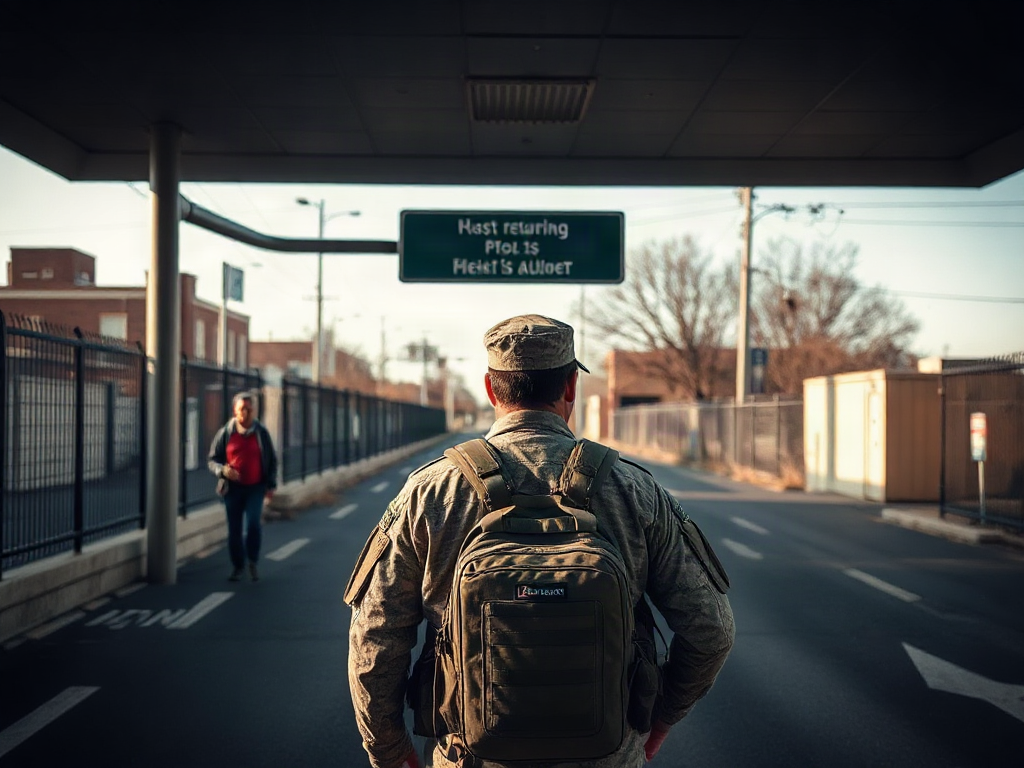
Returning to the deployment location can reactivate PTSD because familiar sights, sounds, smells, routes, and social conditions may reconnect the brain with danger memories before a person consciously identifies the trigger. The location can also bring back survivor guilt, unresolved grief, loss of unit structure, or fear linked to specific events, while jet lag, poor sleep, alcohol, and limited support can reduce emotional control. A visit is not automatically harmful, but treating it like an ordinary trip can increase the risk of intrusive memories, hyperarousal, dissociation, or avoidance. A clinician-informed preparation plan, trusted travel companion, exit option, grounding tools, and follow-up care can make warning signs easier to manage.
How a Deployment Location Reconnects With Threat Memories
A deployment location can function as a dense network of reminders rather than a single place on a map. Roads, buildings, checkpoints, uniforms, vehicle noise, dust, heat, odors, lighting, accents, and even the position of a doorway may resemble conditions present during traumatic events. The nervous system can register those similarities quickly, sometimes before the returning service member has formed a clear thought such as “this reminds me of deployment.”
Trauma memories are not always recalled as a neat story. They may appear as a sudden image, bodily alarm, emotional shift, fragmented sensation, or strong expectation that something bad is about to happen. Returning to the setting may therefore produce a reaction that feels disproportionate to the immediate circumstances. A quiet street can still resemble a route associated with danger, and a normal engine backfire can resemble a sound previously linked to an attack.
The setting may also reactivate meanings that developed during service. A person may encounter the location while carrying grief for people who died, guilt about decisions made under pressure, anger about what happened, or uncertainty about whether returning is respectful or self-punishing. Those reactions can coexist. A visit intended to honor a unit or reclaim a meaningful place may still bring distress, numbness, or shame.
Distance from the location does not guarantee that the memory network has weakened. Someone who has been functioning well at home may have fewer reminders in daily life than they would encounter abroad. The return can reveal that stability depended partly on environmental predictability. That does not mean recovery was false or that a setback is inevitable; it means the location may place unusual demands on attention, sleep, and emotional regulation.
A common mistake is assuming that willingness to return proves readiness. Curiosity, duty, professional necessity, or a desire to support others can motivate the trip without resolving trauma responses. The more useful question is not whether the person feels brave enough to go, but whether they have a realistic way to recognize escalating distress and leave, pause, or obtain help if needed. For readers exploring why returning to the deployment location can reactivate ptsd, that distinction is central: meaning and risk can exist together.
Triggers, Body Responses, and Warning Signs
Reactivation usually involves several interacting triggers rather than one isolated reminder. Sensory cues may initiate the response, while fatigue, unfamiliar logistics, crowding, language barriers, heat, or loss of privacy keep the nervous system activated. A person may become watchful, irritable, detached, startled, or unable to sleep even when no current threat is present.
Some responses are obvious, such as panic, nightmares, intrusive memories, or a strong urge to leave. Others are quieter. A returning veteran may stop speaking, lose track of a conversation, repeatedly scan exits, become unusually controlling about schedules, or feel emotionally absent around companions. Dissociation can make the surroundings seem unreal or produce gaps in memory. These signs should be interpreted as signals of overload, not as evidence of weakness or unwillingness to participate.
For example, a person may tolerate a daytime visit to a former work area but deteriorate after an evening meal near a roadway where vehicles and lighting resemble deployment conditions. If sleep has already been poor, the reaction may intensify the next morning. The location is part of the picture, but so are accumulated exposures and reduced recovery time between them.
Short-term alertness can sometimes be useful in genuinely unfamiliar surroundings, so not every increase in vigilance indicates PTSD. The practical difference is whether the response remains proportionate and flexible. A person who can notice a sound, orient to the present, and continue the activity has more room to adapt than someone who cannot sleep, cannot distinguish past from present, or feels compelled to use alcohol or sedatives without medical direction.
Track changes across the day instead of waiting for a dramatic crisis. Useful observations include sleep duration, irritability, startle intensity, concentration, intrusive memories, physical tension, substance use, and willingness to communicate. If symptoms are building, reducing the schedule may be wiser than forcing the next planned visit. The deployment-location PTSD response often becomes harder to manage when early warning signs are treated as inconveniences.
Planning a Visit Without Treating It as Exposure Therapy
A return should be planned as a potentially stressful medical and logistical event, not assumed to be spontaneous healing. Trauma-focused therapy can involve carefully structured exposure, but visiting a deployment location without clinical preparation is not automatically equivalent to treatment. The setting may be unpredictable, the person may lack control, and the emotional meaning may differ from what therapy is designed to address.
Before travel, discuss the plan with a licensed mental health professional familiar with PTSD when possible. The conversation can cover current symptoms, prior reactions to reminders, medication access, sleep vulnerabilities, substance use, dissociation, and whether the trip has a clear purpose. A clinician does not need to approve every personal decision, but professional input can expose risks that excitement or group pressure may hide.
Good planning also separates essential activities from optional ones. A work obligation may have less flexibility than a commemorative stop, while a brief daytime visit may be more manageable than several emotionally intense locations in one day. A trusted companion should know the agreed signs for pausing or leaving and should not interpret withdrawal as rudeness. Independent transportation, a private place to decompress, reliable communication, and a realistic departure route provide practical control.
Prioritize these elements before departure:
- Purpose: Identify what the visit is meant to accomplish and remove activities that do not serve that purpose.
- Pacing: Schedule recovery time rather than filling every hour with locations, ceremonies, or group events.
- Support: Arrange access to a therapist, crisis service, trusted person, or local medical care before symptoms rise.
- Grounding: Pack familiar sensory anchors, written contact information, prescribed medication as directed, water, and sleep-supporting essentials.
- Exit criteria: Decide in advance what symptoms mean “stop,” “return to lodging,” or “end the trip.”
The main failure mode is confusing endurance with benefit. Remaining at a location while dissociated, severely panicked, intoxicated, or unable to orient may reinforce helplessness rather than create a corrective experience. A shorter visit that ends while the person can still make decisions may be more constructive than a longer visit completed through escalating distress. Practical preparation does not guarantee a calm trip; it improves the chances of recognizing when the plan needs to change.
What to Do During and After the Return
During the visit, present-moment orientation is more useful than arguing with the reaction. The person can name the current date, identify where they are, describe several visible objects, feel both feet on the ground, and notice the difference between a present cue and the past event it resembles. Slow breathing may reduce physical escalation for some people, but forcing deep breaths can be uncomfortable for others; a steady exhale and ordinary paced breathing are reasonable alternatives.
Companions should use brief, concrete language. “You are at the hotel, and the sound has stopped” is usually more grounding than “Calm down” or “You are safe, so there is nothing to fear.” Do not block the person’s exit, demand a detailed account of the trauma, or pressure them to complete an itinerary for the sake of the group. If confusion, severe dissociation, suicidal thoughts, dangerous behavior, or inability to care for basic needs appears, seek urgent local medical or crisis assistance rather than attempting to manage the situation privately.
After returning home, symptoms may continue or emerge with a delay. The person may feel flat, exhausted, irritable, unusually alert, or flooded by dreams once travel demands stop. A quiet transition, regular meals, hydration, sleep protection, limited alcohol, and scheduled clinical follow-up can make changes easier to observe. Avoid making major judgments about recovery during the first unsettled days.
Review the trip with specific questions: Which cues caused the strongest response? Did symptoms improve after leaving the location or after resting? Was the companion helpful? Did medication, alcohol, avoidance, or over-scheduling change the outcome? These answers can guide future decisions better than labeling the visit a success or failure. A person who managed a brief stop but struggled with crowded ceremonies may need a different format, not necessarily permanent avoidance.
Returning does not have to be repeated to prove recovery. Some people may choose another visit with stronger safeguards; others may decide that remembrance, connection, or closure can happen elsewhere. Respecting that choice matters because recovery involves restoring agency. The question why a deployment location can reactivate PTSD should lead to informed choices, not pressure to test endurance.
Frequently Asked Questions
Can returning to a deployment location trigger PTSD even after years of stability?
Yes. A familiar sensory cue or meaningful site may activate trauma-related responses after a long period with few reminders. Stability does not guarantee that every environment will feel manageable.
Does a strong reaction mean that PTSD treatment has failed?
No. A reaction may show that the setting contains unusually powerful reminders or that travel stress reduced coping capacity. Discuss the response with a clinician before judging progress.
Should someone with PTSD avoid the deployment location completely?
There is no universal answer. Avoidance may be reasonable when a trip is unsafe or unwanted, while a carefully planned visit may suit someone with adequate support and a clear purpose.
What should a travel companion watch for?
Watch for escalating startle, scanning, silence, confusion, dissociation, sleep loss, substance use, or repeated attempts to push through distress. Agree on pause and exit procedures before travel.
When is urgent help needed after returning?
Seek urgent help for suicidal thoughts, threats to others, severe confusion, dangerous behavior, inability to meet basic needs, or symptoms that do not settle with leaving the immediate trigger and receiving support.
Conclusion
A deployment location can reactivate PTSD by combining sensory reminders with memories of danger, loss, responsibility, and unresolved emotion. The reaction may appear as intrusive memories, hypervigilance, sleep disruption, avoidance, or dissociation, and it may intensify when travel fatigue and limited support are added. Preparation should focus on purpose, pacing, a trusted companion, professional input, grounding options, and a clear way to stop or leave. During the visit, orientation to the present matters more than proving endurance. Afterward, allow time for delayed symptoms and arrange follow-up rather than making quick conclusions about recovery. Returning is a personal choice, not a required test; a safer decision is one that preserves agency and access to help.