

How Chronic Migraines and PTSD Can Reinforce Each Other Through Sleep, Stress, and Pain Cycles
How Chronic Migraines and PTSD Can Reinforce Each Other Through Sleep, Stress, and Pain Cycles

How Chronic Migraines and PTSD Can Reinforce Each Other Through Sleep, Stress, and Pain Cycles

Recognizing moral distress that requires different support than fear-based PTSD means noticing when suffering centers on guilt, shame, betrayal, or a perceived violation of deeply held values rather than mainly on danger memories and threat responses.

Deployment trauma can change a veteran’s relationship with silence by making quiet feel unsafe, unpredictable, or emotionally loaded rather than restful. Combat-related memories, sudden sensory reminders, hypervigilance, sleep disruption, and learned emotional control may cause a veteran to avoid quiet, fill it with noise, or withdraw from conversation.

PTSD-related avoidance of benefits paperwork and missed care opportunities often develops when forms, deadlines, records, and official contact activate trauma-related anxiety, shame, distrust, or fear of a disappointing decision. The result can be delayed compensation, interrupted healthcare, missed referrals, or failure to use services already available.
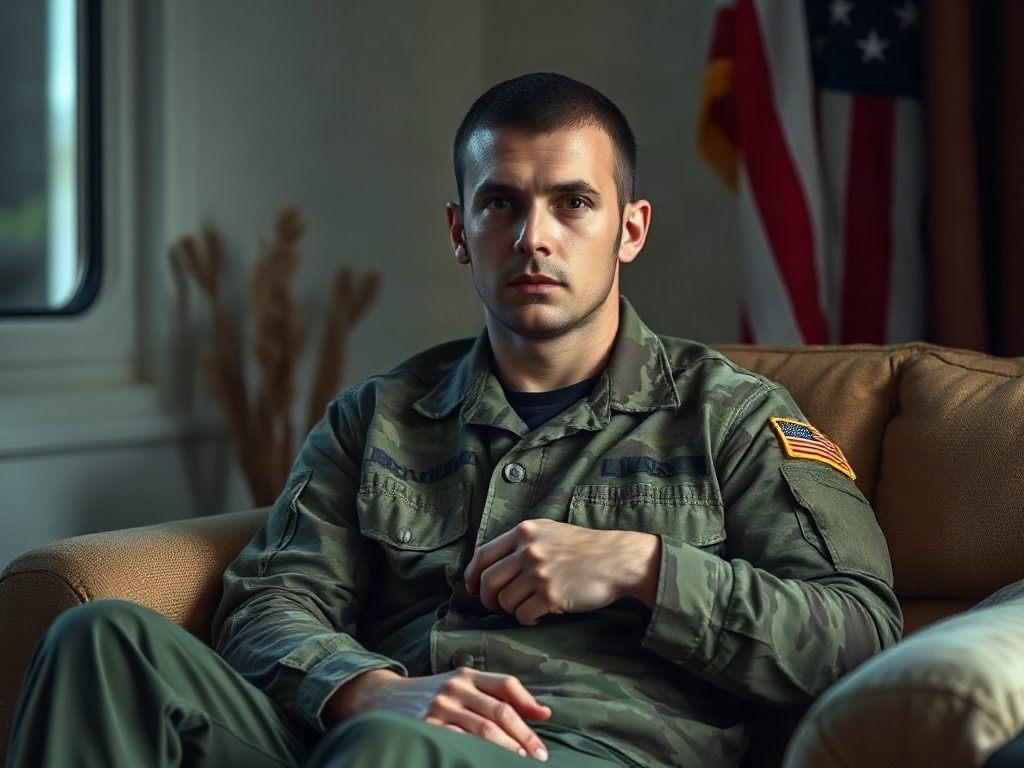
Survivor guilt complicates progress in veteran PTSD treatment by making recovery feel undeserved, increasing avoidance, and turning ordinary improvement into a perceived betrayal of people who died or suffered. A veteran may reject relief, minimize symptoms, miss appointments, or resist trauma-focused work because guilt feels tied to loyalty, responsibility, or moral identity.

Anger outbursts from PTSD can affect veteran employment through strained coworker relationships, disciplinary action, missed opportunities, and dismissal when trauma-related arousal is mistaken for deliberate misconduct. Sleep disruption, hypervigilance, perceived disrespect, loud environments, and rapid threat responses may narrow the time between irritation and confrontation.

Medical appointment avoidance caused by trauma-related loss of control often reflects a protective response to feeling trapped, examined, overruled, or unable to stop what is happening. Trauma reminders may arise from needles, undressing, authority figures, unexpected touch, anesthesia, pain, or unclear procedures, and avoidance can then delay preventive care or urgent evaluation.

Service dog training considerations for veterans with severe hypervigilance center on reducing startling, preventing unwanted public-interruption behaviors, and building reliable tasks without forcing exposure too quickly. Training should begin in predictable, low-stimulation settings, use carefully chosen alert or grounding tasks, and progress only when the veteran and dog can remain within a manageable arousal range.

Moral injury and PTSD can keep guilt active when ordinary coping skills reduce arousal but do not address responsibility, grief, betrayal, or unresolved values conflict. Persistent guilt may reflect a trauma-linked moral wound rather than a simple thinking error, especially when memories remain vivid, self-forgiveness feels undeserved, or the person believes punishment is necessary.

How alcohol withdrawal can temporarily intensify PTSD symptoms is largely explained by rebound nervous-system activation, disrupted sleep, heightened startle responses, and reduced emotional control after alcohol’s sedating effects wear off. Withdrawal may make intrusive memories, irritability, hypervigilance, anxiety, and nightmares feel sharper without meaning that the underlying PTSD has permanently worsened.