
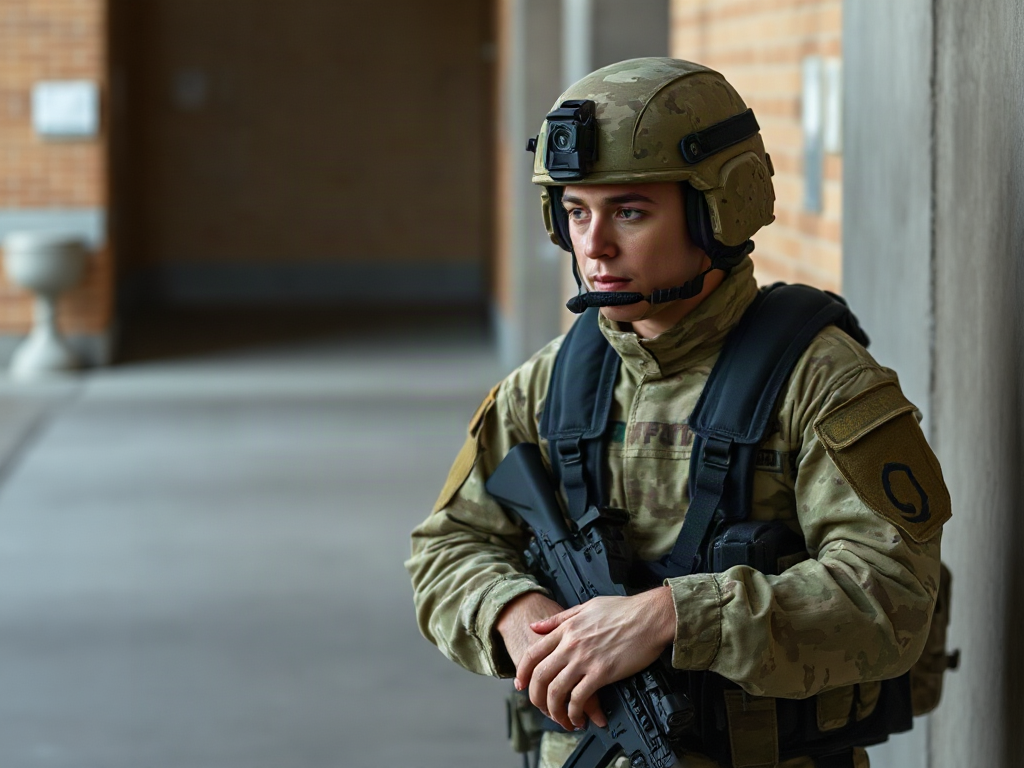
PTSD and difficulty adjusting from deployment to civilian routines often reflects a nervous system still calibrated for threat, rigid schedules, rapid decisions, and constant peer support rather than evidence that someone is failing at civilian life. Ordinary activities such as crowded shopping, family conversations, commuting, or an unstructured evening may feel unsafe because they lack the predictability and mission focus of deployment. A gradual routine with consistent sleep and meals, planned decompression, manageable responsibilities, and controlled exposure to civilian settings can reduce overload. Treatment from a trauma-informed clinician matters when avoidance, irritability, nightmares, substance use, isolation, or hypervigilance disrupt work or relationships.
Why Civilian Routines Can Feel Unsafe or Pointless
Deployment can organize life around clear objectives, predictable responsibilities, rapid communication, and a close-knit team. Civilian routines often remove those structures at once. A person may move from long periods of alertness and limited privacy to a home environment where plans change, tasks seem less urgent, and other people do not share the same operating assumptions. That contrast can produce irritability, restlessness, emotional distance, or a sense that ordinary responsibilities have no meaning.
PTSD can intensify the mismatch. Hypervigilance may make a quiet neighborhood feel suspicious rather than peaceful. A crowded store can create too many unpredictable movements. Sudden noises, traffic patterns, poorly defined workplace expectations, or arguments at home may activate threat responses even when the present setting is objectively safer. Sleep disruption then lowers tolerance for frustration, which can make a small civilian demand feel like proof that returning home is impossible.
The adjustment problem is not solved by demanding an immediate return to a pre-deployment personality. A better comparison is a gradual transition between two operating environments. Military habits such as scanning exits, maintaining equipment, or relying on direct communication may have been useful in one setting but can create conflict when applied rigidly at home. Conversely, abandoning all structure because civilian life feels unimportant may increase isolation and leave more room for intrusive memories.
Consider someone who becomes tense during a family dinner because several people are talking, a television is playing, and the person cannot see the entrance. Leaving the table may bring short-term relief, but repeated escape can teach the brain that family gatherings are dangerous. A quieter seat, a prearranged break, and a shorter meal may preserve participation without forcing endurance beyond current capacity. Readers exploring ptsd and difficulty adjusting from deployment to civilian routines should judge progress by increased choice and recovery after stress, not by the disappearance of every reaction.
The Daily Friction Points That Reveal Adjustment Problems
Difficulty adjusting usually appears through repeated friction rather than one dramatic event. Sleep may become irregular because the person remains alert at night or wakes from trauma-related dreams. Unstructured time may feel uncomfortable, leading to excessive exercise, gaming, work, alcohol use, or constant background noise. At the other extreme, basic tasks may be postponed because decision-making feels exhausting. Tracking these patterns for a week can show whether the main pressure point is sleep, sensory load, conflict, boredom, or loss of purpose.
Relationships often expose the gap between deployment communication and civilian expectations. Direct instructions may sound hostile to a partner or supervisor, while indirect feedback may feel evasive to the returning service member. Family members may interpret withdrawal as rejection, although the person may be trying to prevent anger or overstimulation. A useful distinction is between intent and impact: a short answer may be intended to conserve energy but still communicate disinterest.
Work introduces a different comparison. A job with clear procedures and visible results may be easier initially than a role requiring frequent networking, ambiguous priorities, or open-plan interaction. That does not mean the person lacks ability. It may indicate that the transition should include narrower duties, written expectations, predictable breaks, or a staged workload when available. Pushing through every exposure at full intensity can produce exhaustion and reinforce avoidance; avoiding all unfamiliar settings can shrink daily life.
Common warning patterns include:
- Repeatedly checking doors, vehicles, or surroundings long after the check is complete.
- Becoming unusually angry when plans change or people move slowly.
- Using alcohol, cannabis, medication outside instructions, or risky behavior to quiet arousal.
- Missing work, appointments, or family activities because leaving home feels unsafe.
- Feeling detached from loved ones or unable to experience ordinary pleasure.
A single difficult day does not establish PTSD, and adjustment stress can have multiple causes. Persistent impairment, escalating avoidance, or safety concerns deserve assessment rather than self-labeling. A simple record of situation, body reaction, thought, response, and recovery time gives a clinician more useful information than a general statement that civilian life feels wrong.
Building a Civilian Schedule Without Creating More Pressure
A workable reintegration schedule provides enough structure to reduce drift while leaving room for recovery. The first version should be modest: a consistent wake time, a morning meal, one necessary task, planned movement, a brief social contact, and a wind-down period. The purpose is not productivity at military tempo. It is to make the day predictable enough that the nervous system does not have to improvise every decision.
Sleep deserves early attention because fatigue can magnify startle responses, anger, concentration problems, and emotional numbing. Keeping wake time reasonably stable may be more realistic than forcing an exact bedtime. Late-day caffeine, long naps, and using alcohol as a sleep aid can complicate recovery even when they appear helpful at first. Nightmares, severe insomnia, or breathing problems during sleep should be discussed with a qualified healthcare professional rather than treated as a discipline problem.
Use a graded approach for difficult civilian settings. Someone overwhelmed by a supermarket might first visit during a quieter period with a short list, choose a location near an exit, and leave after completing one or two items. Later visits can last longer or occur at busier times. The sign of a useful step is not total calm; it is the ability to remain oriented, use a planned coping response, and return to baseline afterward. If each attempt produces prolonged panic, days of withdrawal, or increased substance use, the step is too large or needs clinical support.
Communication also benefits from explicit design. A partner might agree to announce schedule changes, avoid blocking doorways during tense conversations, and use a pause phrase before conflict escalates. The returning service member can state, “I need ten minutes to settle down, and I will come back at 7:30,” rather than leaving without explanation. These agreements protect autonomy without making the household responsible for constant monitoring. Readers can connect this planning to ptsd and difficulty adjusting from deployment to civilian routines by identifying which civilian demand is being modified and what ability the modification is meant to restore.
When Self-Management Is Not Enough
Professional care becomes especially important when reactions interfere with employment, parenting, relationships, sleep, or physical safety. PTSD treatment may involve trauma-focused psychotherapy, medication evaluation, or both, depending on symptoms, history, preferences, and access. A trauma-informed clinician can help distinguish trauma responses from depression, anxiety, traumatic brain injury effects, pain, sleep disorders, or substance-related problems that may require different attention.
Seeking care does not require waiting for a crisis or having a perfectly organized account of deployment. A person can bring the weekly pattern described earlier and identify the hardest situations: driving, crowds, intimacy, authority, sleep, or being alone. Someone who distrusts treatment may begin with an assessment focused on sleep and daily functioning rather than committing immediately to a specific therapy. Someone already in treatment may need to report that exposure exercises are causing destabilization rather than silently abandoning care.
Support from family, peers, or veteran organizations can reduce isolation, but informal support has limits. A trusted former service member may understand the loss of mission and unit connection while still being unable to evaluate suicidal thinking, withdrawal, medication effects, or severe substance use. Confidentiality concerns, transportation, cost, and work schedules can all affect access. Asking a clinic about telehealth, appointment timing, veteran-specific services, or crisis procedures may make care more feasible.
Urgent help is warranted when there is immediate danger, a plan to harm oneself or someone else, inability to remain safe, severe intoxication, or loss of contact with reality. In the United States, calling or texting 988 connects people with the Suicide & Crisis Lifeline; veterans and service members can request the Veterans Crisis Line. Emergency services or the nearest emergency department are appropriate when immediate physical safety cannot be maintained. Waiting to see whether a routine will fix an acute safety problem is a serious mistake.
A Practical Reintegration Plan for Home and Work
The most useful plan links each difficulty to a specific adjustment rather than treating all civilian stress as one problem. Choose one high-impact domain first, such as sleep, leaving home, conflict, or work attendance. Define the smallest repeatable action, identify what may trigger overload, and decide how recovery will occur afterward. This prevents an ambitious schedule from becoming another performance test.
A practical weekly review can ask four questions: What situation caused the strongest reaction? What did the body do first? Which response reduced harm without increasing avoidance? How long did recovery take? For example, if a crowded commute leads to scanning, sweating, and an angry outburst at work, the first intervention might be a less crowded travel time, headphones if safe and permitted, a short arrival buffer, and a decompression period before conversation. If the person still cannot function, the result supports seeking treatment rather than simply increasing effort.
Home and workplace changes should be negotiated, not assumed. A supervisor may be able to clarify priorities in writing or schedule predictable check-ins, but a service member should not assume every employer can provide an open-ended accommodation. A partner may offer advance notice for visitors, yet the household still needs shared rules about responsibilities and respectful conflict. The tradeoff is between useful predictability and dependence on a perfectly controlled environment. If the person can function only when every variable is managed, treatment should gradually address flexibility as well as immediate comfort.
Use this compact priority order:
- Safety: address suicidal thoughts, violence risk, dangerous substance use, or severe impairment immediately.
- Physiology: stabilize wake time, meals, sleep evaluation, medication use, and substance patterns.
- Function: restore one work, household, or social responsibility at a manageable level.
- Connection: schedule contact with people who can listen without forcing disclosure.
- Expansion: add harder environments gradually while tracking recovery rather than demanding perfect calm.
Progress may look like noticing activation earlier, taking a planned pause, completing a shorter errand, or repairing a tense conversation sooner. Setbacks after anniversaries, stressful news, poor sleep, or workplace conflict do not erase progress, but repeated deterioration signals that the plan needs revision. For more topic-specific planning, the internal resource ptsd and difficulty adjusting from deployment to civilian routines can serve as a reminder to match the next step to the actual setting rather than to an idealized return to normal.
Frequently Asked Questions
Why can ordinary civilian tasks feel threatening after deployment?
Hypervigilance, sensory overload, loss of mission structure, and unpredictable social cues can make crowds, traffic, errands, or family interactions feel unsafe even when no immediate danger exists.
How long does adjustment from deployment to civilian routines take?
There is no fixed timetable. Recovery depends on trauma exposure, sleep, support, health conditions, substance use, and access to treatment; persistent impairment warrants professional evaluation.
Should someone avoid stressful civilian situations until they feel calm?
Total avoidance may provide short-term relief but can strengthen fear and shrink daily life. Gradual, manageable exposure is often more useful when it does not cause prolonged destabilization and is guided by a clinician when symptoms are severe.
What should a family member do when irritability increases?
Discuss the pattern during a calm period, agree on a pause signal and return time, reduce unnecessary surprise when possible, and encourage clinical support without treating anger as acceptable or unavoidable.
When should a returning service member seek PTSD treatment?
Seek assessment when nightmares, avoidance, startle reactions, isolation, substance use, or mood changes disrupt work, relationships, sleep, or safety. Immediate danger requires urgent crisis or emergency help.
Conclusion
Returning from deployment can make civilian routines feel disorganized, exposed, or emotionally disconnected because the structure and threat settings of deployment do not disappear at the same pace as the surroundings. Prioritize safety, sleep, manageable daily responsibilities, and clear communication before attempting a full schedule or demanding immediate emotional normalcy. Track specific situations and recovery time so the next adjustment is based on evidence from daily life rather than self-criticism. Modify crowded errands, work expectations, and household conversations in measured ways, while recognizing that excessive avoidance can preserve the problem. If symptoms continue to disrupt functioning, a trauma-informed clinician or veteran-focused service can help determine whether PTSD treatment, sleep care, substance-use support, or another evaluation is needed.