
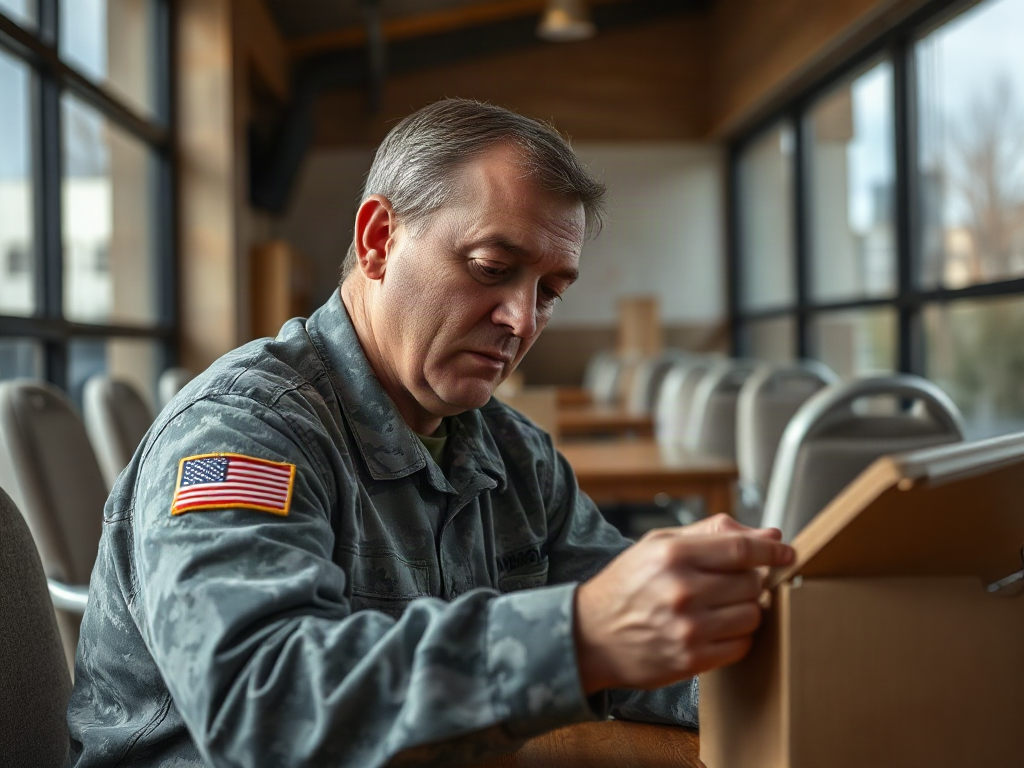
PTSD and appetite changes after leaving a structured military environment often reflect the loss of scheduled meals, changes in sleep and activity, trauma reminders, and stress-related shifts in digestion or hunger signals. Some veterans skip meals because civilian routines feel unstructured, while others eat rapidly, rely on highly convenient foods, or lose interest in food during hyperarousal or low mood. A practical response is to create flexible meal anchors, keep easy protein- and nutrient-containing foods available, and track appetite alongside sleep, nightmares, alcohol use, and medication changes. Persistent weight change, dehydration, vomiting, severe restriction, binge episodes, or worsening PTSD symptoms warrant assessment by a clinician familiar with veterans’ health.
Why Appetite Can Shift After Military Structure Changes
Leaving a structured military environment can alter eating without any deliberate decision to change food habits. Scheduled chow times, predictable work demands, physical training, shared meals, and limited food choices may have provided external cues for hunger. Civilian life often replaces those cues with irregular shifts, commuting, caregiving, appointments, or long periods alone. For someone with PTSD, that loss of predictability can add stress to an already sensitive nervous system.
Trauma-related arousal may affect appetite in opposite directions. Hypervigilance can make sitting down to eat feel unsafe or wasteful, particularly when a person is scanning the room, monitoring sounds, or responding to reminders of past events. Low mood, emotional numbing, poor sleep, and exhaustion may reduce interest in shopping or cooking. Others may use food for quick comfort when intrusive memories or irritability rise. None of these patterns alone confirms PTSD, but their timing and connection to stress provide useful information.
Appetite also interacts with sleep and activity. Nightmares can delay breakfast, while insomnia may increase late-night snacking or dependence on caffeine. A sudden reduction in physical training can lower energy needs, even when the old meal schedule remains. Conversely, a physically demanding civilian job may require more food than a person realizes. Medication changes, pain, reflux, alcohol, nicotine, and other health conditions can further complicate the picture.
A common mistake is treating every appetite change as a discipline problem. Rigidly forcing large meals may intensify nausea or distress, while ignoring food for an entire day can worsen shakiness, irritability, and concentration. The more useful question is whether the person is receiving enough fluids and nourishment to function, and what circumstances repeatedly interfere with eating. A private, quiet meal may work better than a crowded restaurant; a portable breakfast may be more realistic than a full cooked meal before an early shift.
Recognizing Stress-Linked Eating Patterns
Stress-linked appetite changes become easier to address when they are described as observable patterns rather than labels. Record the time, setting, appetite level, physical sensations, and preceding stressor for several days. Note whether the problem is absent hunger, nausea, rapid eating, grazing, overeating after restriction, or difficulty tolerating particular textures or smells. Include sleep quality and alcohol or caffeine use because those details may reveal a cycle that a food diary alone misses.
For example, a former service member may eat normally on workdays because the schedule supplies external structure, then skip meals on days off when the morning has no defined start. Another person may avoid a dining area because crowded seating, clattering dishes, or people approaching from behind produce a trauma response. A third may eat very little during the day and consume convenience foods late at night after suppressing hunger through caffeine. Each situation calls for a different adjustment; a generic instruction to “eat healthier” does not identify the barrier.
Distinguish appetite from access and capacity. A person may feel hungry but lack transportation, money, cooking equipment, or energy to prepare food. Someone with appetite may still avoid eating because of nausea, dental pain, swallowing difficulty, or fear of losing control. Conversely, frequent eating may be driven by genuine increased hunger after inadequate meals rather than an emotional eating disorder. Assuming the cause too quickly can create shame and delay appropriate care.
Useful observations include whether a small snack improves dizziness or irritability, whether appetite returns in a calmer environment, and whether symptoms follow nightmares or anniversary dates. Warning signs that the pattern is worsening include steadily falling weight, repeated binge-and-restrict cycles, faintness, dehydration, escalating alcohol use, or food avoidance tied to severe anxiety. The PTSD and appetite changes after leaving a structured military environment connection deserves professional assessment when eating problems are persistent, distressing, or interfering with work and relationships.
Building Meals Around Flexible Civilian Routines
Flexible meal anchors are usually more sustainable than recreating a rigid military timetable. Choose two or three dependable eating windows linked to existing events, such as waking, a work break, or returning home. The times can move when shifts change, but the sequence remains recognizable. This preserves useful predictability without turning food into another performance test.
When appetite is low, smaller portions may be more manageable than a full plate. A yogurt with fruit and oats, peanut butter on whole-grain toast, soup with beans, or a cheese-and-cracker combination can provide energy and protein with less preparation. When chewing or cooking feels difficult, milk, fortified plant beverages, smoothies, eggs, canned fish, hummus, frozen vegetables, and microwaveable brown rice may reduce the practical burden. These foods are not treatments for PTSD; they are workable options when symptoms limit time, attention, or appetite.
When appetite is high after prolonged restriction, adding structure can be safer than imposing severe food rules. Pair carbohydrates with protein or fat, such as a turkey sandwich with fruit or beans with rice and vegetables, and sit down for a defined meal rather than eating directly from a package. The goal is not perfect control. It is reducing the swing between under-fueling and urgent eating. A registered dietitian can help when weight changes, diabetes, gastrointestinal disease, or medication effects make food choices more medically complex.
Environmental design matters. Keep one shelf of easy foods visible, carry a shelf-stable snack during long appointments, and identify a lower-stimulation place to eat. A person who cannot tolerate a busy dining room may start with a quiet meal at home and gradually discuss trauma-informed exposure or coping work with a clinician, rather than forcing repeated overwhelming situations alone. The tradeoff is convenience versus variety: packaged foods may contain more sodium or added sugar, but consistently eating a simple meal may be safer than skipping food and becoming physically depleted.
When Appetite Changes Need Clinical Attention
Persistent appetite disruption deserves evaluation because PTSD may coexist with depression, anxiety, sleep disorders, traumatic brain injury, chronic pain, gastrointestinal conditions, substance use, or medication side effects. A primary-care clinician can review weight trends, hydration, digestion, sleep, prescriptions, and relevant medical history. A mental-health professional can assess trauma symptoms and whether avoidance, intrusive memories, panic, or low mood are driving the eating pattern.
Seek prompt medical advice for rapid or unexplained weight change, repeated vomiting, inability to keep fluids down, fainting, chest pain, severe abdominal pain, blood in vomit or stool, or signs of dehydration. Urgent help is also appropriate when food restriction or bingeing feels uncontrollable, when alcohol is replacing meals, or when depression includes thoughts of self-harm. Emergency services should be used for immediate danger. These signs should not be explained away as a normal adjustment to civilian life.
Bring concrete information to an appointment: the duration of the change, typical meals, weight movement if known, bowel or stomach symptoms, sleep disruption, alcohol and caffeine, recent medication changes, and situations that increase or reduce appetite. A clinician may consider several explanations rather than assuming trauma is the sole cause. That distinction matters because treating reflux, medication intolerance, depression, or sleep problems may be necessary alongside PTSD care.
Another common failure mode is waiting for appetite to normalize before seeking PTSD treatment. Eating and trauma symptoms can reinforce each other: poor intake may worsen fatigue and concentration, while fatigue can make therapy attendance, shopping, and meal preparation harder. Coordinated care may be more useful than choosing between “mental” and “physical” explanations. Evidence-based PTSD treatment should be discussed with a qualified professional, and nutrition support should remain nonjudgmental and medically appropriate.
A Practical Food and Recovery Check-In
A brief check-in can show whether a routine is helping without turning eating into a military-style inspection. For one week, rate appetite before meals, note the setting and stress level, and record whether you managed fluids and at least a few substantial eating occasions. Compare workdays with days off. Look for functional changes, such as fewer headaches, steadier energy, less irritability, or improved ability to attend appointments, rather than focusing only on the scale.
Prioritize the smallest change that addresses the actual obstacle. If mornings fail because of nightmares, prepare a portable breakfast the night before. If crowds interfere, use a quieter location. If cooking collapses after a poor night’s sleep, keep assembled foods available. If eating increases after long gaps, add an earlier snack instead of responding with harsh restriction. A partner, peer-support contact, or trusted family member can assist with shopping or shared meals, but support should be invited rather than imposed.
- Working: meals occur more consistently, fluids improve, energy is steadier, and distress around food is not escalating.
- Not working: weight continues to change, avoidance expands, binge-restrict cycles persist, or meals trigger increasing panic or shame.
- Next move: adjust the routine for the specific barrier and contact a healthcare professional when the problem persists or affects safety.
Do not use appetite tracking to judge character or force compliance. The purpose is to identify relationships among structure, stress, sleep, and food. A routine that works during one job or season may fail after a shift change, move, illness, or trauma reminder. Reassessing the plan is more useful than interpreting a setback as personal failure. The same topic-specific support page can sit alongside professional care, peer resources, and practical household planning.
Frequently Asked Questions
Can leaving the military change appetite even without a new trauma?
Yes. Loss of scheduled meals, altered activity, disrupted sleep, isolation, and civilian stress can change hunger cues. PTSD symptoms may amplify those effects.
Is skipping meals always a sign of PTSD?
No. Skipping meals can also reflect shift work, depression, medication effects, gastrointestinal illness, limited food access, or low time and energy. A clinician can help sort out overlapping causes.
What foods are useful when appetite is low?
Small portions of yogurt, eggs, soup with beans, toast with nut butter, hummus, fruit, smoothies, and other easy protein- and energy-containing foods may be easier than a large meal.
Should someone force themselves to eat on a strict schedule?
Regular meal anchors can help, but rigid rules may increase distress or nausea. Flexible timing, smaller portions, and an environment that feels safe are often more practical.
When should a veteran seek help for appetite changes?
Contact a healthcare professional for persistent changes, significant weight movement, dehydration, vomiting, binge-restrict cycles, alcohol replacing meals, or worsening PTSD, depression, or safety concerns.
Conclusion
Appetite changes after leaving military structure should be treated as useful information, not a failure of discipline. Track whether disrupted sleep, trauma reminders, unplanned days, medication changes, crowded settings, or long gaps between meals precede the problem. Then build a flexible routine around realistic anchors, easy nourishing foods, adequate fluids, and a lower-stimulation eating environment. Small meals may be more workable than demanding a full plate, while consistent eating may be safer than compensating with severe restriction. Persistent weight change, dehydration, gastrointestinal symptoms, uncontrolled bingeing, or worsening trauma and mood symptoms call for professional assessment. A coordinated approach that addresses both PTSD and physical health gives the clearest path toward steadier nourishment and daily functioning.
Additional Resources
Authoritative Sources
- NIMH Post-Traumatic Stress Disorder
nimh.nih.govResearch-based information about PTSD symptoms, risk factors, and treatment.