
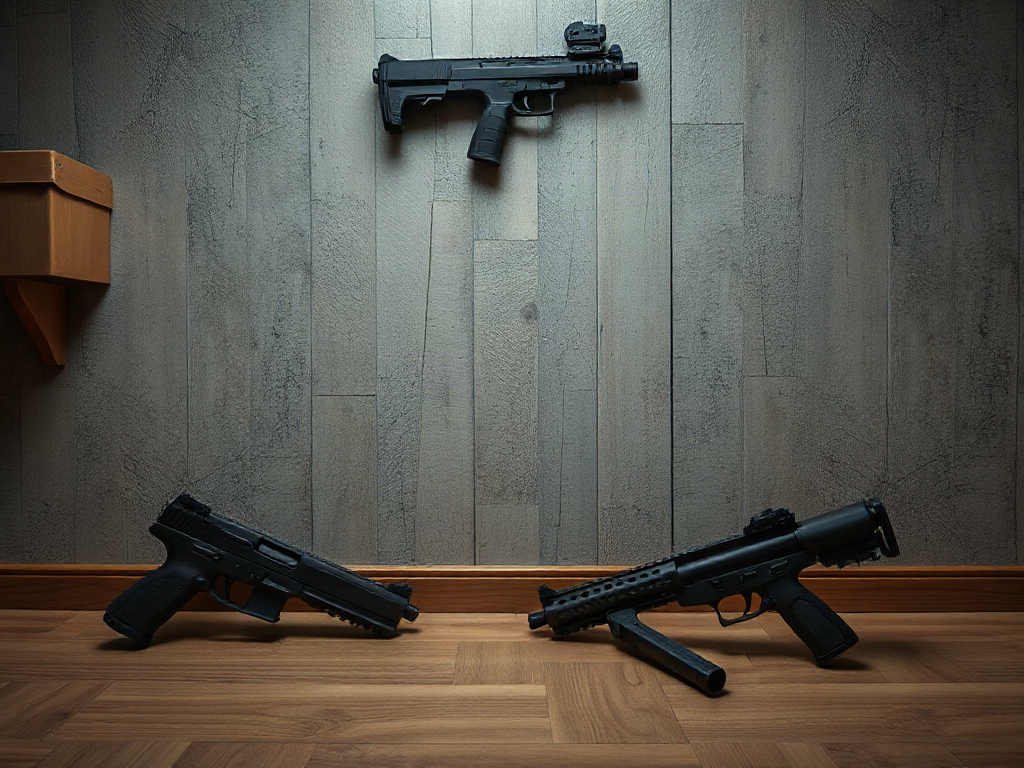
PTSD-related avoidance of firearms and weapon storage decisions often reflects trauma-linked threat sensitivity, distressing reminders, fear of losing control, or uncertainty about handling weapons safely. The safest response is neither forced exposure nor an abrupt permanent decision; it is a calm, documented storage plan developed with a qualified mental-health professional and trusted support person when appropriate. Practical options may include temporarily transferring access, using locked storage with access limited to a designated person, separating ammunition, and arranging a clinical review of nightmares, anger, dissociation, substance use, or suicidal thoughts. If there is immediate danger, do not handle or move the firearm alone; leave the area and contact emergency services or a crisis resource.
Why Firearm Avoidance Can Develop After Trauma
Avoiding firearms after a traumatic experience can be a trauma response rather than a simple preference. A weapon may become associated with combat, injury, threat, responsibility, or a moment when the person felt powerless. Seeing, touching, cleaning, transporting, or even discussing a firearm can then activate the nervous system as though danger is present again. Some people experience fear or panic; others notice emotional shutdown, irritability, detachment, nightmares, or a strong urge to leave the room.
The meaning attached to the firearm matters. A service member who carried a weapon during repeated threat exposure may associate it with constant vigilance, while a survivor of firearm violence may connect it with helplessness and sudden loss. A person who once used a firearm safely may still avoid it after a traumatic incident because the object now represents the possibility of harm. Avoidance can reduce distress in the moment, which reinforces the pattern: the brain learns that leaving or refusing the object produced immediate relief.
That short-term relief does not prove that handling a firearm is currently unsafe, but it also does not justify pushing through distress. A common mistake is treating avoidance as a character flaw or assuming that confidence should return through unsupervised practice. Another mistake is dismissing the reaction because the weapon is unloaded or locked; the nervous system responds to meaning and memory, not only to mechanical status.
Use the phrase ptsd-related avoidance of firearms and weapon storage decisions to identify the broader issue: the person is deciding both how much contact is tolerable and who should control access. Those are related but separate questions. Someone may be comfortable living in a home with a securely stored firearm but not want to touch it, or may decide that removing firearms from the home is the most stabilizing temporary measure.
How to Make a Storage Decision Without Forcing Exposure
The first decision should be immediate access, not emotional endurance. If the person is experiencing suicidal thoughts, violent thoughts, severe dissociation, intoxication, uncontrolled rage, or uncertainty about what they might do, the firearm should not remain readily accessible. A trusted adult, licensed storage provider, or other lawful option may be able to hold it, depending on local requirements. The person should obtain jurisdiction-specific guidance before transferring possession, because firearm-storage and transfer rules differ.
When there is no immediate crisis, a written plan can separate safety from longer-term treatment. Record where the firearm is stored, who has access, where ammunition is kept, what symptoms would trigger a change, and who will be contacted for help. The plan should be understandable to another adult in the household. Vague promises such as “I will stay away from it when stressed” are weaker than a specific arrangement that removes access during predictable high-risk periods, such as severe sleep loss, substance use, escalating conflict, or a trauma anniversary.
A clinical appointment can examine whether avoidance is part of a wider symptom pattern. Relevant details include startle reactions, intrusive memories, nightmares, concentration problems, depression, panic, alcohol or drug use, and episodes of feeling unreal or disconnected. A therapist does not need to begin with firearm handling. Trauma treatment may first focus on stabilization, sleep, emotional regulation, and the person’s sense of control. Exposure-based work, if later considered, should be clinically planned and should never be confused with practicing around a loaded or accessible weapon.
One weak assumption is that a permanent decision must be made immediately. Temporary removal can create breathing room while the person assesses treatment and household safety. The opposite assumption—keeping a firearm accessible because avoidance will eventually disappear—also carries risk. Prioritize a reversible, lawful arrangement that reduces access during instability while leaving future ownership decisions to a calmer period and informed discussion with a qualified professional.
Storage Options, Access Controls, and Household Tradeoffs
Safe storage decisions should match the actual risk profile of the household, not an idealized version of it. A locked container or gun safe can reduce unauthorized access, but the protection depends on who knows the combination, whether keys are reachable, and whether the person in crisis can open the container. Ammunition may be stored separately when that arrangement is practical and consistent with the manufacturer’s instructions and local law. The purpose is to create meaningful time and distance between distress and access.
Different arrangements solve different problems. A locked device controlled by a trusted adult may suit a household where the owner wants the firearm present but not immediately accessible. Temporary off-site storage may be more appropriate when symptoms are changing quickly, family conflict is intense, or the owner is worried about bypassing a lock. Removing firearms from the residence can reduce household exposure to reminders, but it introduces legal, transportation, and custody questions that must be handled carefully rather than improvised.
Consider a veteran who avoids opening a safe because the sound of the lock and the sight of stored equipment trigger deployment memories. Keeping the combination on a phone may make the safe easier to access but may not be a meaningful barrier during an impulsive crisis. A better plan might involve a trusted person controlling access while the veteran works with a clinician on sleep and hyperarousal. By contrast, someone who has no acute symptoms but dislikes handling a firearm may only need a consistently locked, inaccessible arrangement and a household agreement that no one pressures them to practice.
A compact decision check can clarify priorities:
- Access: Can the person reach the firearm without another adult’s involvement?
- Stability: Are suicidal thoughts, aggression, intoxication, dissociation, or severe sleep disruption present?
- Household exposure: Could children, visitors, or another distressed person reach the weapon?
- Accountability: Does a trusted person know the plan and recognize warning signs?
- Review date: When will the arrangement be reconsidered with professional input?
Storage is not a substitute for treatment, and a sophisticated safe cannot compensate for an untreated crisis. Conversely, therapy does not make unsecured access acceptable. The practical goal is layered protection: physical barriers, informed household communication, symptom monitoring, and timely care.
When Clinical Support or Immediate Help Is Needed
Professional support is warranted when firearm avoidance interferes with work, lawful responsibilities, household communication, or ordinary routines, or when the object repeatedly produces intense physiological distress. A primary-care clinician, trauma-informed therapist, psychiatrist, or veteran-focused service can help assess symptoms and develop a plan. Bring concrete observations rather than a vague label: “I leave the room when the safe opens,” “I lose track of time during cleaning,” or “I have not slept and am drinking more” gives the clinician information that can change the urgency of the response.
Some warning signs require faster action. Suicidal thinking, a stated intent to harm someone, command hallucinations, severe intoxication, escalating threats, inability to account for the firearm, or episodes of dissociation around weapons should be treated as safety concerns. Do not test judgment by asking the person to unload, clean, transport, or surrender a weapon while they are impaired or highly agitated. Move other people to safety, avoid confrontation when possible, and contact emergency services or a crisis service. In the United States, calling or texting 988 connects with the Suicide & Crisis Lifeline; immediate physical danger calls for 911 or the local emergency number.
Support people should avoid shaming, surprise confiscation, or arguments about whether the reaction is rational. A direct, calm question about suicidal or violent thoughts does not create those thoughts, and it can reveal information needed for a safety decision. Ask what is stored, who can access it, and whether the person can agree to temporary separation while help is arranged. If asking or inspecting the firearm would require handling it, do not do that alone; use trained assistance.
Progress is not measured by forcing contact with a firearm. Useful signs include fewer avoidance-driven disruptions, clearer communication, improved sleep, reliable adherence to the storage plan, and the ability to discuss the topic without losing control. Failure signs include bypassing locks, hiding access, increasing substance use, missing appointments, or refusing to disclose worsening thoughts. Those changes call for revising the plan, not adding pressure.
Frequently Asked Questions
Is avoiding firearms always a sign of worsening PTSD?
No. Avoidance may reflect a reasonable safety boundary, a trauma symptom, or both. Concern rises when it causes major impairment, expands to many areas, or occurs with dangerous symptoms.
Should someone with PTSD sell or surrender a firearm immediately?
Not necessarily. A temporary, lawful access-reduction plan may provide time for clinical assessment before making a permanent ownership decision. Immediate danger requires urgent safety action.
Can a gun safe remove the risk during a mental-health crisis?
A locked safe can reduce access, but its value depends on who controls the key or code and whether the person can bypass it. Severe instability may call for temporary off-site storage or emergency intervention.
Should a partner force someone with PTSD to handle a firearm?
No. Unsupervised pressure can intensify fear, dissociation, or conflict. Discuss the reaction with a trauma-informed clinician and keep access arrangements separate from exposure-based treatment.
What should a household do if someone may harm themselves with a firearm?
Do not handle the weapon or confront the person in a way that escalates danger. Move to safety, contact emergency services, and use a crisis resource such as 988 in the United States.
Conclusion
Firearm avoidance after trauma deserves a response that respects both psychological distress and physical safety. The immediate priority is controlling access during periods of suicidal thinking, aggression, intoxication, dissociation, severe sleep loss, or other instability. A lawful storage arrangement, trusted support person, and clear review plan can create distance without forcing a permanent ownership decision. Clinical assessment should address the broader symptom pattern rather than treating firearm handling as a test of courage. Watch for practical evidence that the plan is working—reliable locked storage, honest communication, better stability, and fewer crisis behaviors—and revise it quickly if access is bypassed or symptoms escalate. When danger is immediate, leave the area and contact emergency services or a crisis line rather than attempting to manage the weapon alone.