Author name: Miles Pierce

Miles Pierce is a lead contributor at PTSD Updates, where the work centers on Ptsd Recovery, Ptsd Healing. Each article is built to clarify the subject, strengthen trust, and give readers practical guidance they can actually use.

Veterans Ptsd

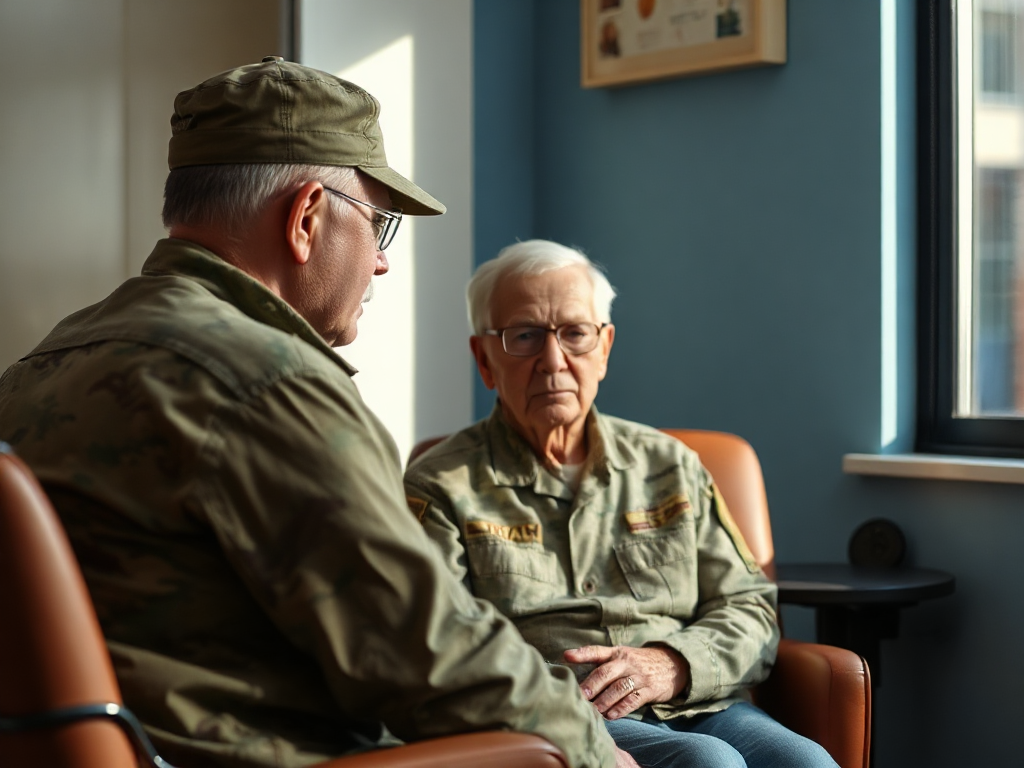
Veterans With PTSD Who Cannot Tolerate Group Treatment Settings: Individual Care Options That Work

Veterans with PTSD who cannot tolerate group treatment settings may do better with individual trauma therapy, a slower intake process, telehealth, or carefully structured one-to-one support that reduces crowding, exposure, and loss-of-control triggers. Group distress can stem from hypervigilance, shame, irritability, sensory overload, traumatic reminders, or fear that personal information will not remain private.

Ptsd Recovery

Why Nightmares Return After Stopping Alcohol Use: Sleep Recovery, Causes, and Safer Next Steps

Nightmares may return after stopping alcohol use because alcohol had been suppressing REM sleep, and the brain can temporarily rebound into longer, more vivid dream periods during early recovery. Withdrawal-related anxiety, fragmented sleep, stress, dehydration, medication changes, and memories that were previously less noticeable can intensify dream content.

Veterans Ptsd

When a Veteran’s PTSD Causes Repeated Checking and Security Rituals (What Keeps the Cycle Going and What Helps)

Repeated checking and security rituals in a veteran with PTSD often develop when the nervous system treats ordinary uncertainty—such as an unlocked door, an unfamiliar sound, or a dark window—as a possible threat. Checking may briefly lower fear, but the relief can teach the brain that another inspection is needed, allowing the ritual to expand.

Veterans Ptsd

Why Combat-Related PTSD Can Worsen After Retirement or Separation: Causes, Warning Signs, and Care Options

Combat-related PTSD can worsen after retirement or separation because military structure, mission-focused routines, social connection, and constant task demands may have helped contain symptoms rather than resolved them. Once those protections disappear, intrusive memories, sleep disruption, irritability, guilt, substance use, and hypervigilance may become harder to manage.

Veterans Ptsd

Why Combat Veterans May Mistake Hypervigilance for Safety: How Threat Scanning Becomes a Habit

Combat veterans may mistake hypervigilance for safety because constant threat scanning once helped them detect danger, control uncertainty, and protect others, even though that response can remain active in ordinary settings. The brain may interpret tension, repeated checking, guarded positioning, and difficulty relaxing as evidence of preparedness rather than signs of an overactive alarm system.

Scroll to Top