
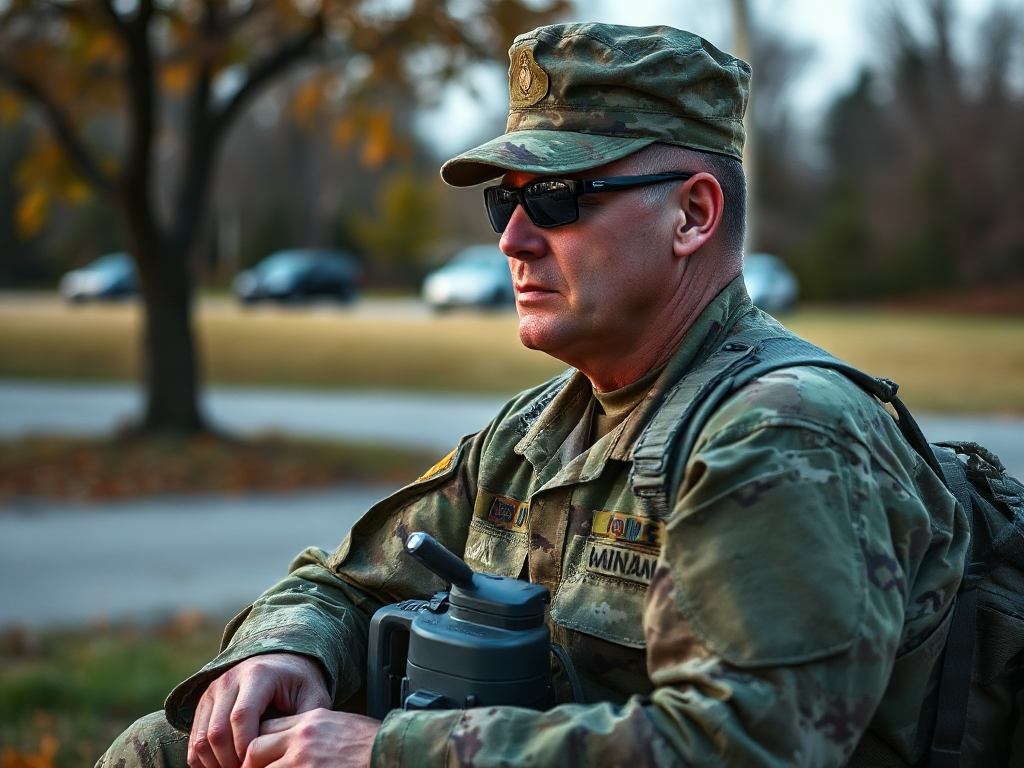
PTSD and losing a military identity after discharge often intensify each other: trauma symptoms can make civilian life feel unsafe or meaningless, while the loss of rank, routine, mission, and unit connection removes familiar anchors. Helpful care usually combines trauma-focused treatment with deliberate identity rebuilding, such as establishing predictable routines, finding veteran peers, translating military strengths into civilian roles, and addressing sleep, anger, isolation, or substance use early. A common mistake is treating the identity loss as simple nostalgia or assuming a new job will fix it. A clinician familiar with military trauma can help distinguish PTSD symptoms from grief, depression, moral injury, or adjustment difficulties and shape an appropriate plan.
How Discharge Can Disrupt Identity and PTSD Symptoms
Leaving military service can remove several identity anchors at once: role, rank, mission, schedule, language, physical standards, and daily contact with people who share the same expectations. For someone living with PTSD, that disruption may expose symptoms that were previously hidden by operational demands. A service member who could function during deployment through strict routines may struggle when appointments, work hours, and social expectations become less predictable.
Military identity is not merely a job title. It may represent competence, loyalty, protection, belonging, and a clear answer to the question, “What is my purpose?” Discharge can therefore produce grief even when leaving was voluntary or medically necessary. PTSD may compound that grief through avoidance, emotional numbing, irritability, sleep disruption, exaggerated startle, and difficulty trusting others. The result can feel like a personal failure when it is actually an interaction between trauma responses and a major role transition.
Consider a former infantry soldier who avoids crowded workplaces because sudden noises trigger threat scanning. Losing a unit also means losing the informal accountability that once got him out of bed and moving. A civilian supervisor may interpret withdrawal as poor motivation, while the former soldier experiences the environment as confusing and unsafe. A useful response is not to force an immediate personality change. It is to identify which parts of military life provided stability and recreate their healthy functions in a less punishing form.
That distinction prevents two weak assumptions. One is that a new career automatically replaces a military identity; the other is that every painful reaction is PTSD. Bereavement, depression, moral injury, traumatic brain injury, chronic pain, and ordinary adjustment stress can overlap. The ptsd and losing a military identity after discharge experience deserves a careful assessment rather than a label based on one symptom.
Signs That Identity Loss Is Becoming a PTSD Problem
Identity disruption becomes more concerning when it changes behavior, relationships, or safety rather than remaining a period of understandable uncertainty. Warning signs include persistent isolation, abandoning previously valued activities, increased alcohol or drug use, severe sleep problems, explosive anger, feeling permanently disconnected from civilians, or describing life after service as pointless. Intrusive memories and nightmares may also increase when the structure of service disappears and the mind has fewer competing demands.
Some people respond by clinging to military symbols, routines, or stories in ways that preserve connection; others reject all reminders of service. Neither response automatically indicates illness. The practical question is whether the behavior provides flexible meaning or narrows life further. Wearing a unit patch at a gathering may support belonging. Refusing every civilian relationship because “no one can understand” may deepen avoidance and reinforce PTSD.
Changes in language can offer useful clues. Statements such as “I was somebody there, but nobody now,” “I only felt useful in uniform,” or “I cannot relax unless something is wrong” point toward identity, purpose, and threat-system concerns. A partner may notice that the person is physically present but emotionally absent, while the former service member may describe numbness rather than sadness. These observations should be shared with a qualified clinician without turning family members into amateur diagnosticians.
A short check-in can clarify what needs attention first:
- Has sleep, substance use, anger, or isolation worsened since separation?
- Which situations trigger threat responses, shame, grief, or loss of control?
- What military roles still matter, and which demands should not be carried into civilian life?
- Is there a trusted person who can notice deterioration before a crisis?
The common mistake is waiting for a dramatic breakdown before seeking care. Early discussion may make it easier to address nightmares, avoidance, or hopelessness before they affect housing, employment, or family relationships.
Rebuilding Structure Without Recreating Military Pressure
Recovery-oriented structure works best when it borrows useful elements of service without reproducing constant alertness, punishment, or emotional suppression. A practical weekly plan might set consistent wake and sleep times, scheduled exercise that accommodates injury, therapy appointments, meals, household responsibilities, and one planned social contact. The purpose is not to fill every hour. Predictability reduces decision overload while leaving room to discover preferences that were crowded out by duty.
Identity rebuilding should proceed from evidence rather than slogans. List specific abilities developed during service—calm communication under pressure, equipment maintenance, logistics, teaching, medical response, leadership, or persistence—and connect each to civilian settings. “Leadership” becomes training new staff, coordinating volunteers, or managing a project. This translation can reveal options without pretending that civilian workplaces operate like units. A veteran may value clear standards yet need to practice asking questions instead of assuming every ambiguity signals danger.
A former aircraft mechanic, for example, might pursue a civilian maintenance role but find open-plan facilities overwhelming because of noise and unpredictable movement. A gradual approach could include visiting the workplace, identifying a quiet recovery area, discussing reasonable scheduling needs, and testing a limited workload if available. The tradeoff is that moving slowly can feel frustrating, but rushing into an environment that repeatedly triggers panic or anger may reinforce avoidance and damage confidence.
Useful structure should be measured by function, not intensity. Signs that a plan is working include more regular sleep, fewer missed appointments, improved tolerance of ordinary interruptions, and the ability to experience competence outside a military setting. Signs it is failing include compulsive overwork, escalating exercise despite pain, using alcohol to transition out of “mission mode,” or treating rest as weakness. The ptsd and losing a military identity after discharge challenge is not solved by adopting another rigid performance test.
Treatment, Peer Connection, and Civilian Meaning
Trauma-focused mental health care can address PTSD symptoms while identity-focused counseling helps a person decide what to retain, revise, and release from military life. A therapist does not need to erase military identity; the goal is greater flexibility, so service remains part of a person’s history rather than the only acceptable source of worth. Evidence-based PTSD treatments may be appropriate, but selection depends on symptoms, readiness, medical history, access, and the clinician’s assessment.
Peer connection is often valuable because it reduces the burden of explaining military culture, but peer groups are not interchangeable with treatment. A group may provide recognition and practical knowledge about benefits, employment, or family strain. It may be less helpful if conversations repeatedly intensify anger, glorify dangerous coping, or discourage professional care. Try to notice whether contact leaves you more connected and capable or more isolated from civilian relationships.
Meaning can develop through ordinary roles rather than a substitute mission. Parenting, skilled work, coaching, community service, faith communities, creative projects, and caring for animals can provide responsibility and contribution without requiring danger. The right choice is personal and may change over time. Volunteering with other former service members may be a bridge for one person; for another, it may keep trauma reminders too close and delay broader social recovery.
Family members can help by asking concrete questions instead of demanding emotional disclosure: “What part of today felt unsafe?” or “Would you rather have company or quiet?” They should not promise secrecy around imminent danger or take responsibility for managing symptoms alone. The ptsd and losing a military identity after discharge process usually improves through several modest sources of stability rather than one perfect replacement for the unit.
When to Seek Urgent or Specialized Help
Professional help is warranted when trauma symptoms or identity loss persist, worsen, or interfere with sleep, work, relationships, housing, or basic self-care. A primary care clinician, licensed mental health professional, or veteran-focused program can help assess PTSD alongside depression, anxiety, substance use, pain, traumatic brain injury, and moral injury. Bring a brief record of nightmares, sleep hours, triggers, alcohol or drug changes, anger episodes, and missed responsibilities; concrete examples make the first appointment more useful.
Specialized care may be particularly appropriate when the person distrusts civilian providers, has repeated treatment interruptions, or feels misunderstood by clinicians unfamiliar with military culture. Ask prospective providers how they assess trauma, whether they work with veterans, how they handle avoidance and moral injury, and what happens if symptoms intensify between visits. A provider does not need to share the same service history, but should show respect for it without treating military experience as a stereotype.
Immediate assistance is needed for thoughts of suicide, a plan or access to lethal means, threats toward another person, severe intoxication, inability to care for basic needs, or dangerous reactions to flashbacks. In the United States, call or text 988 and ask for the Veterans Crisis Line, or use emergency services when danger is immediate. Reduce access to weapons or other lethal means only when doing so can be done safely; do not confront an armed or severely agitated person alone.
Seeking care does not invalidate service or prove that discharge was a mistake. It acknowledges that a major transition and trauma symptoms are affecting current functioning. A sensible next step is to choose one action within the next few days—contact a clinician, tell a trusted person what has changed, or arrange a veteran peer connection—and then evaluate whether that action increases safety, routine, and genuine choice.
Frequently Asked Questions
Can losing a military identity cause PTSD?
Identity loss does not cause PTSD by itself, but discharge-related grief, isolation, and loss of structure can intensify existing trauma symptoms or make them more visible.
How can someone keep military pride without staying stuck in the past?
Keep meaningful traditions and relationships while adding civilian roles, routines, and interests. Flexibility matters more than abandoning or preserving every military habit.
What should a partner do when a veteran withdraws after discharge?
Use specific, non-accusing questions, encourage professional care, and set safety boundaries. Do not take sole responsibility for monitoring PTSD or managing a crisis.
Can employment restore a lost sense of purpose?
Work may provide structure and competence, but it may not address nightmares, avoidance, grief, or moral injury. Employment is often most useful alongside treatment and supportive relationships.
When is identity loss after discharge an emergency?
Suicidal thoughts, threats, severe intoxication, inability to care for basic needs, or dangerous behavior during flashbacks require immediate crisis or emergency assistance.
Conclusion
Discharge can unsettle a military identity because it removes familiar structure, belonging, responsibility, and standards while PTSD may increase avoidance, mistrust, sleep problems, and emotional numbness. The priority is to separate what needs trauma treatment from what needs grief, role translation, social connection, or practical routine. A manageable schedule, veteran-informed clinical care, and carefully chosen peer or civilian relationships can work together without demanding that the person recreate military life. Watch for worsening isolation, substance use, anger, hopelessness, or unsafe behavior rather than waiting for symptoms to become unmistakable. Choose one concrete next step, involve a trusted person when appropriate, and use urgent crisis support if safety is in question. Military service can remain an honored part of identity while life gains additional sources of meaning.
Additional Resources
Authoritative Sources
- NIMH Post-Traumatic Stress Disorder
nimh.nih.govResearch-based information about PTSD symptoms, risk factors, and treatment.