
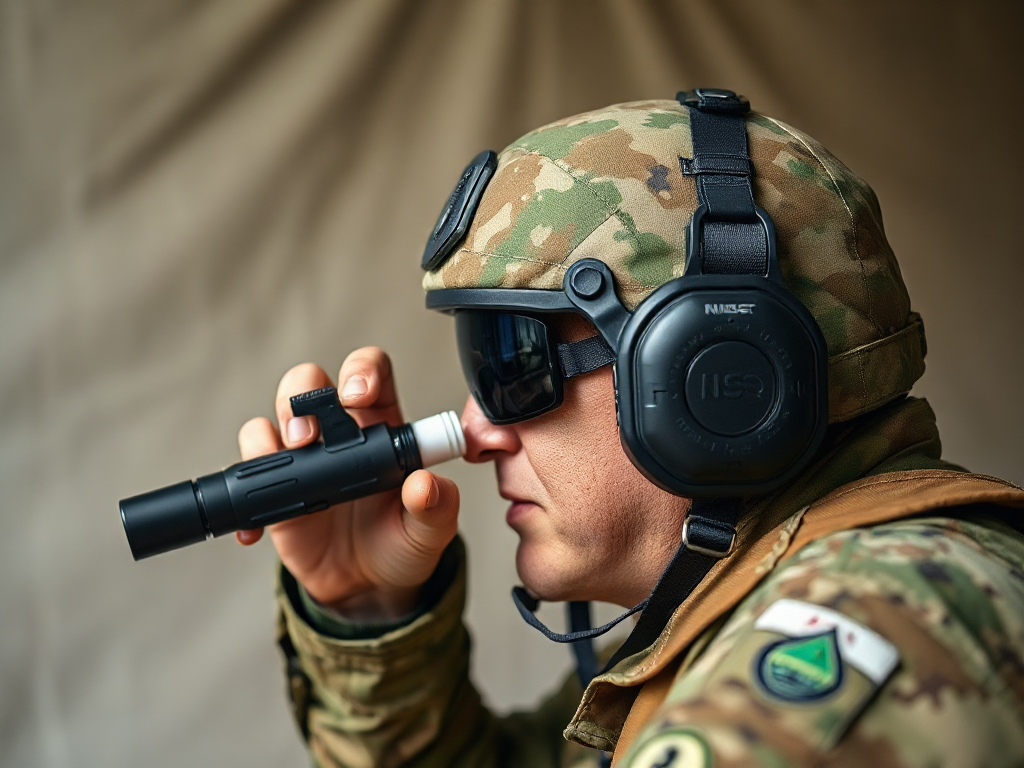
Certain smells trigger combat memories years later because the brain can link scent with intense danger, storing the odor alongside sensory details and survival responses rather than ordinary autobiographical context. Smoke, fuel, burning food, damp earth, blood, or cleaning chemicals may later activate that learned alarm network through involuntary recall. The reaction can include vivid images, body tension, panic, anger, numbness, or a strong sense that the past is happening again. Leaving the odor, orienting to the present, slowing the exhale, and naming what is actually safe can reduce immediate escalation. Repeated or disabling reactions deserve assessment from a trauma-informed mental health professional.
How Smell Becomes Linked With Combat Threat
Smell has an unusually direct relationship with brain systems involved in emotion and memory. During combat, an odor may be present while the body is processing explosions, injury, exhaustion, uncertainty, or the need to react immediately. The brain does not record only the visual event. It also registers fuel, smoke, hot metal, dust, sweat, vegetation, medical materials, or another environmental detail that happened to surround the danger.
That association can function like a learned alarm. A later scent does not need to be identical to the original odor; a similar chemical profile or a familiar combination of smells may be enough to activate the old response. For example, a person might notice diesel fumes near a garage and experience a sudden surge of tension because the odor resembles a vehicle environment from deployment. The response is not evidence that the person is choosing to revisit the memory or exaggerating it. It reflects a nervous system that connected a sensory cue with urgent survival demands.
Smell-triggered recall also differs from deliberately telling a war story. A deliberate memory usually begins with a thought or conversation. An odor can arrive first, followed by an image, physical reaction, or emotional shift that seems disproportionate to the current setting. That difference matters when interpreting the event. Treating it as a simple preference or ordinary dislike can leave the person confused, while assuming every unpleasant odor signals danger can reinforce avoidance.
A useful first observation is the full context, not just the scent. Note where the odor occurred, what happened in the body, whether sleep or alcohol had affected sensitivity, and how long recovery took. Those details can reveal whether the cue is specific, whether several odors overlap, and which situations deserve a carefully paced response. The related discussion of why certain smells trigger combat memories years later should be used to understand the pattern, not to self-diagnose.
Why Reactions Can Appear Years Later
A delayed reaction does not mean the memory was fabricated or permanently hidden in a simple storage compartment. Trauma responses can change as circumstances change. A stable routine, fewer reminders, distraction, or years spent managing responsibilities may keep a trigger below awareness. Later, a move, retirement, bereavement, illness, reduced structure, or renewed exposure to military places can make the same cue more noticeable.
Stress can lower the threshold for an alarm response. Poor sleep, chronic pain, frightening news, conflict at home, and ongoing anxiety may make a previously tolerable smell feel suddenly overwhelming. The odor may be only the final cue in a system already operating at high alert. A person who reacts in a supermarket after months of exhaustion may be responding to both the cleaning product and the accumulated strain surrounding it.
Memory is also reconstructed during recall. An odor can activate fragments rather than a complete, orderly narrative: a flash of terrain, a sound, a bodily sensation, or the conviction that something is wrong. Because the fragments arrive quickly, the present-day setting may temporarily lose importance. That does not mean the person has lost contact with reality permanently, but it can make grounding and safety checks necessary.
The common mistake is to treat the time gap as proof that the problem should be ignored or that the person should simply endure it. Another mistake is to assume the odor alone explains every episode. Tracking sleep, stress, physical symptoms, medication changes, and environmental details can distinguish a narrow scent cue from a broader period of worsening distress. Avoidance may provide short-term relief, but eliminating every possible odor can shrink daily life and preserve the belief that the cue is uncontrollable.
What a Smell-Triggered Episode Can Feel Like
A combat-related smell response may involve memory, physiology, emotion, and behavior at the same time. Some people report a vivid image or scene; others experience a body reaction without a clear picture. Rapid heartbeat, sweating, shallow breathing, muscle bracing, nausea, irritability, startle, numbness, or a strong urge to leave can all occur. A person may scan doors and windows, become unusually quiet, or react sharply to someone who does not understand what changed.
The meaning of the reaction should be assessed by its pattern and impact, not by one symptom. A brief uncomfortable moment that resolves after leaving a room is different from repeated episodes that cause driving problems, missed work, family conflict, or inability to cook, sleep, travel, or use public spaces. Smell can also be affected by migraine, respiratory illness, medication, or other health conditions, so new or unusual sensory changes should not automatically be assigned to trauma.
Consider two situations. In one, a person notices charcoal smoke at a neighborhood gathering, identifies the present setting, steps away, and returns after ten minutes. In another, a fuel odor leads to intense disorientation, unsafe driving, or a prolonged belief that an attack is underway. The first may call for monitoring and practical coping. The second warrants a more structured safety plan and clinical support, particularly if episodes are increasing.
Family members can make the response easier or harder. Arguing that the smell is harmless may be factually correct but ineffective while the alarm is active. Pressuring someone to explain the memory immediately can add demand. A calmer approach is to reduce the odor if possible, use short present-focused statements, and ask what immediate help is needed. Respecting the reaction does not require treating the current environment as a combat zone.
Practical Steps During and After a Trigger
The first priority is present safety. Move away from traffic, machinery, flames, weapons, or other hazards before attempting to analyze the memory. If the person is driving, pulling over safely is more important than proving that the odor is harmless. Once the immediate risk is controlled, orienting to present facts can interrupt the automatic sequence: state the date, location, name nearby objects, and identify who is with you.
Breathing should be gentle rather than forceful. A slightly longer exhale may help reduce over-breathing, but trying to take very deep breaths during panic can increase dizziness for some people. Cool water, a familiar neutral scent, a textured object, or contact with a trusted person may provide a competing sensory anchor. These tools are not tests of willpower; they are ways to give the nervous system information about the current environment.
A compact response plan can include:
- Safety: stop the hazardous activity and create physical distance from the odor.
- Orientation: name the current place, time, and visible evidence of present safety.
- Regulation: slow the exhale, loosen the jaw and shoulders, and use a neutral sensory anchor.
- Connection: contact a trusted person if isolation increases confusion or risk.
- Follow-up: record the cue, intensity, duration, and what helped without forcing a detailed retelling.
Afterward, avoid turning the log into a hunt for every possible contaminating smell. The purpose is pattern recognition. If smoke is difficult only when sleep-deprived, the next intervention may involve rest and clinical assessment rather than total avoidance of outdoor gatherings. If a specific odor repeatedly causes severe episodes, a trauma-informed therapist can help determine whether gradual, controlled work is appropriate. Unplanned exposure, deliberate flooding, or self-directed confrontation can backfire.
Signs that a strategy is helping include faster orientation, less intense body activation, safer decisions, and recovery that does not require hours of withdrawal. Signs it is failing include escalating avoidance, increased substance use, arguments, dangerous driving, or repeated inability to return to ordinary activities. Those signals call for a revised plan rather than harsher self-discipline.
When Professional Support Is the Safer Choice
Professional help is appropriate when odor-linked memories interfere with sleep, relationships, work, mobility, or basic routines, or when the episodes are becoming more frequent or intense. A clinician can assess trauma symptoms alongside depression, panic, substance use, pain, sleep disruption, and medical explanations for sensory changes. That broader assessment matters because treating only the smell may miss the conditions lowering the person’s tolerance for reminders.
Trauma-focused care may include approaches designed to process distressing memories, reduce avoidance, and build present-moment control. The right pace depends on stability, willingness, current safety, and the person’s goals. A treatment conversation should not begin with a demand to describe combat details in full. It can begin with a practical statement such as, “Fuel odors cause sudden episodes that make driving and shopping difficult.” That gives the clinician useful information while preserving control over disclosure.
Medication decisions belong with a qualified prescriber who knows the person’s health history and current medications. Alcohol or recreational drugs may appear to blunt a reaction temporarily, but they can impair judgment, worsen sleep, and complicate recovery. Friends and relatives should avoid insisting on a particular treatment or promising that one technique will remove the memories. Support is more useful when it combines patience with clear boundaries around safety.
Urgent help is needed if a person may harm themselves or someone else, cannot remain oriented enough to stay safe, is experiencing a medical emergency, or is using substances in a dangerous way. In the United States, calling or texting 988 connects people with the Suicide & Crisis Lifeline; emergencies should be directed to local emergency services. Outside the United States, use the relevant local crisis service. The goal is not to erase a meaningful history but to reduce the chance that an old alarm controls present-day choices.
Frequently Asked Questions
Can a smell trigger a combat memory without a visual flashback?
Yes. The response may appear mainly as fear, anger, physical tension, nausea, startle, or an urge to escape without a recognizable image.
Why might a familiar odor become distressing after years of being manageable?
Changes in stress, sleep, health, routine, or life circumstances can lower the threshold at which an old sensory association activates an alarm response.
Should someone avoid every smell connected with deployment?
Temporary distance may be sensible during an intense episode, but eliminating broad categories of smells can increase avoidance. A clinician can help determine whether gradual work is safe and appropriate.
What should a family member say during a smell-triggered episode?
Use short, calm statements about the present, reduce immediate hazards, and ask what practical support is wanted. Avoid demanding a detailed explanation while the person is overwhelmed.
When should smell-triggered combat memories be evaluated?
Seek assessment when episodes are frequent, worsening, disruptive, associated with substance use or unsafe behavior, or accompanied by self-harm thoughts or severe disorientation.
Conclusion
Smell-triggered combat memories reflect a powerful connection between sensory cues, threat learning, and the body’s alarm system. A reaction years later can be genuine even when the present setting is safe, yet the odor does not need to dictate every decision. Prioritize immediate physical safety, orient to current facts, use a modest grounding technique, and track patterns without forcing exposure or a detailed account of the event. Pay attention to functional impact: worsening avoidance, unsafe driving, disrupted sleep, substance reliance, or prolonged disorientation are reasons to seek trauma-informed care. A qualified clinician can consider both trauma and medical contributors and help build a paced plan that protects daily life while addressing the underlying response.