
Author name: Miles Pierce

Miles Pierce is a lead contributor at PTSD Updates, where the work centers on Ptsd Recovery, Ptsd Healing. Each article is built to clarify the subject, strengthen trust, and give readers practical guidance they can actually use.

PTSD Support

PTSD Symptoms That Emerge During Civilian Parenting Responsibilities (Triggers, Signs, And Practical Responses)

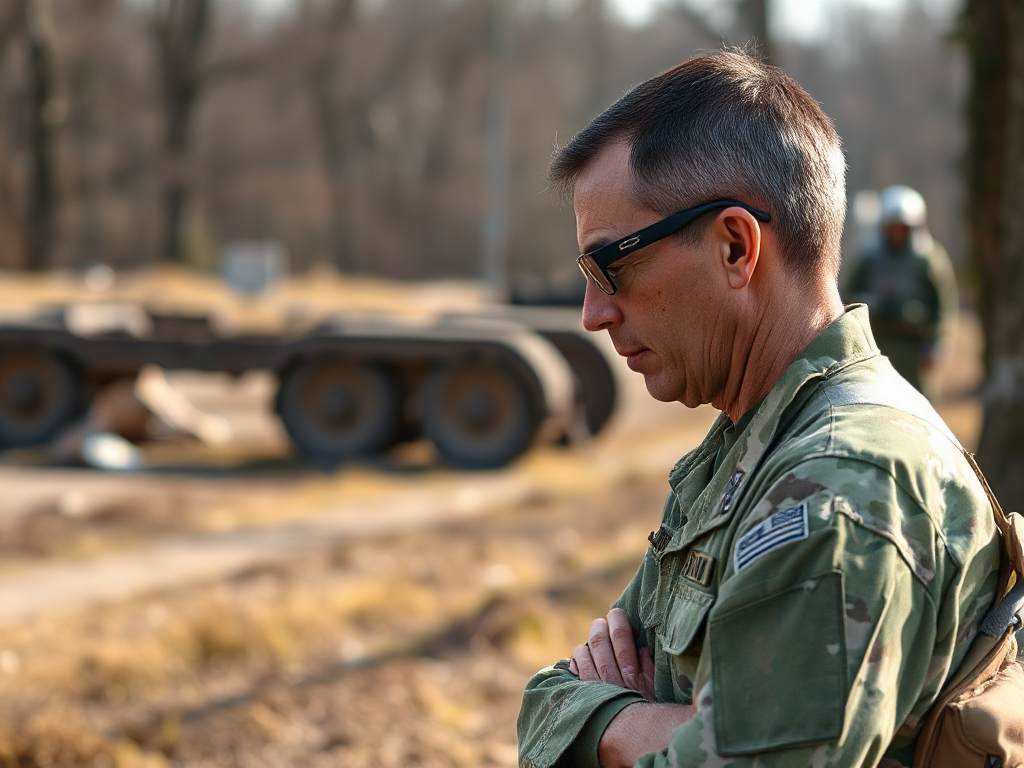
PTSD symptoms that emerge during civilian parenting responsibilities often reflect trauma reminders, loss of control, sleep disruption, and the constant demands of protecting and responding to a child. A parent may notice irritability during ordinary noise, hypervigilance at bedtime, emotional numbness during affection, avoidance of school or medical settings, or…

PTSD Support

Handling Uniformed Authority Figures After Traumatic Military Experiences: A Grounding And Safety Plan

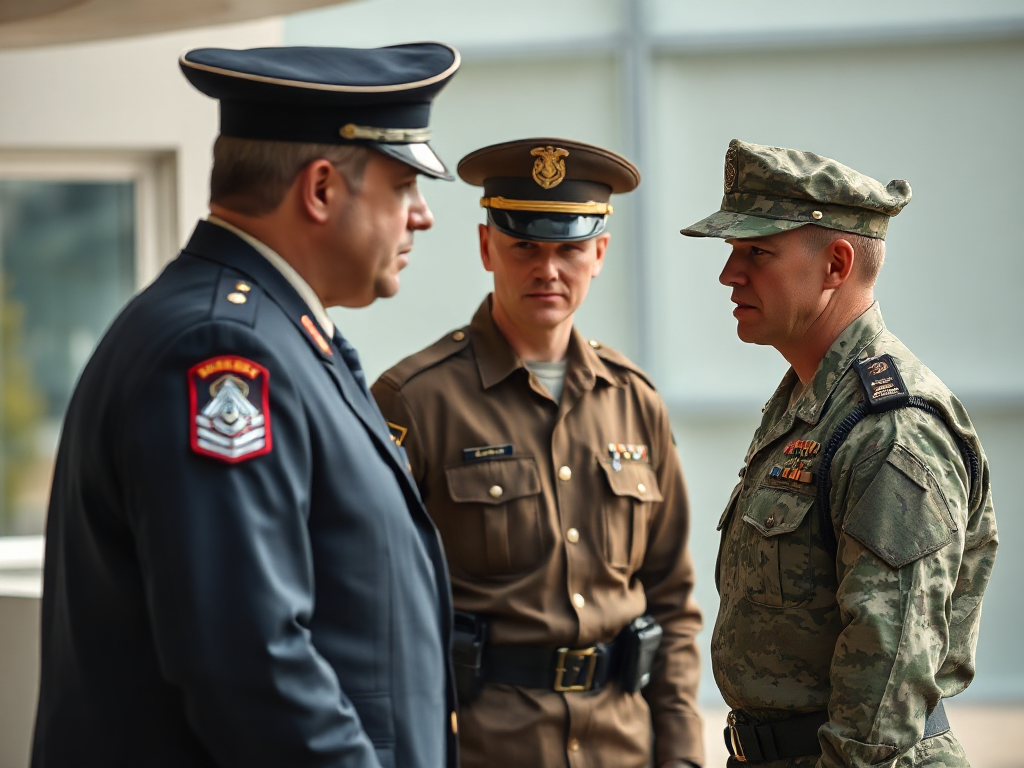
Handling uniformed authority figures after traumatic military experiences is safer when you prepare a brief exit plan, identify body-based warning signs, and use grounding before deciding how much contact to continue. Uniforms, commands, radios, vehicle lights, or formal questioning may activate learned threat responses even when the present person is not dangerous.

Ptsd Recovery

When PTSD Makes Crowded Airports Especially Difficult for Former Service Members: Triggers, Timing, and Coping Steps

When PTSD makes crowded airports especially difficult for former service members, dense crowds, unpredictable movement, security procedures, and limited control over personal space can activate threat responses linked to earlier trauma. Advance planning can reduce strain by choosing quieter travel times, building extra time into each airport stage, identifying exits…

Veterans Ptsd

Workplace Accommodations for Veterans Whose PTSD Causes Concentration Lapses: Practical Requests That Work

Workplace accommodations for veterans whose PTSD causes concentration lapses may include written instructions, reduced interruptions, structured task lists, flexible scheduling, quiet work areas, and brief recovery breaks. Concentration problems can arise from hypervigilance, intrusive memories, poor sleep, medication effects, or stress triggered by noise and unpredictability, so the most useful…

PTSD Support

Distinguishing PTSD From Traumatic Brain Injury After Blast Exposure: Symptoms, Timing, and Evaluation

Distinguishing PTSD from traumatic brain injury after blast exposure requires examining symptom patterns, onset, memory changes, and the circumstances of the blast rather than relying on one complaint. PTSD more often centers on intrusive memories, avoidance, threat sensitivity, and mood changes, while traumatic brain injury may produce confusion, headache, dizziness, slowed thinking, and balance problems.

PTSD Support

PTSD and Difficulty Making Friends After Military Service: A 4-Part Plan for Safer, Lasting Connections

PTSD and difficulty making friends after military service often develop when hypervigilance, mistrust, emotional numbness, and discomfort with unfamiliar social settings make ordinary conversations feel unsafe or exhausting. A practical response is to begin with predictable, low-pressure contact, choose people who respect clear boundaries, and increase social time gradually rather than forcing crowded gatherings.

PTSD Support

Why Retirement Ceremonies Can Trigger Unexpected PTSD Reactions: Triggers, Timing, and Coping Plans

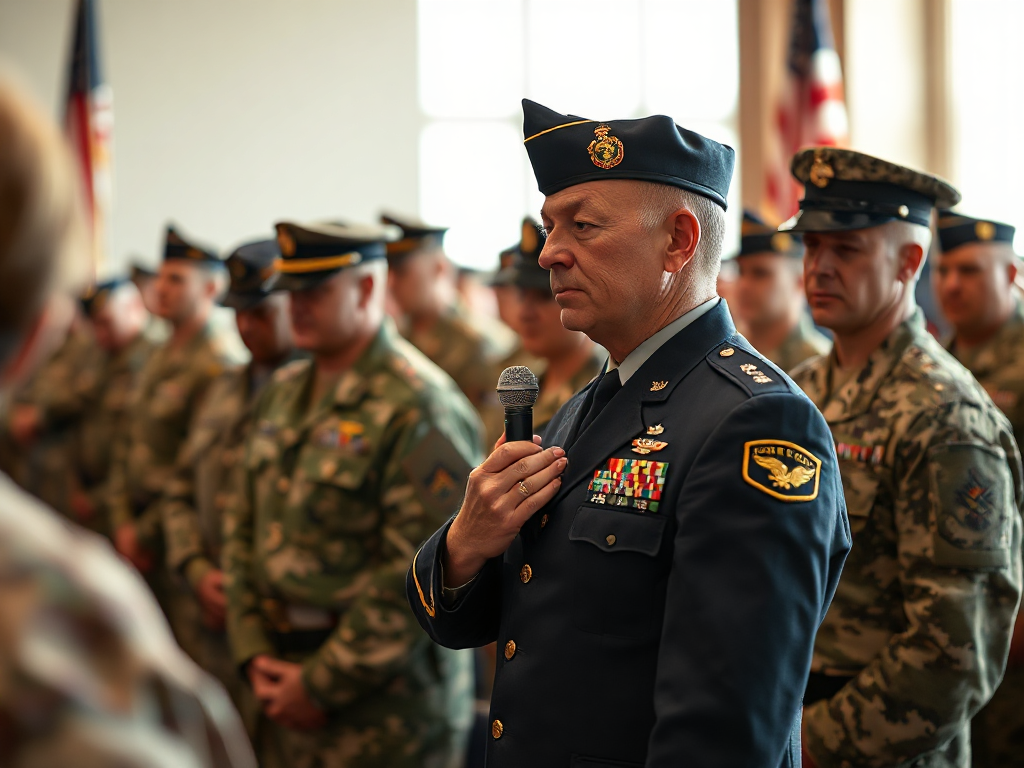
Retirement ceremonies can trigger unexpected PTSD reactions because public recognition, uniforms, military music, formal commands, crowded rooms, and memories of service may activate the brain’s threat system or unresolved grief at the same time. The event can also remove familiar routines and expose feelings about identity, loss, guilt, or unfinished experiences.

PTSD Support

Why Retirement Can Intensify Previously Manageable PTSD Symptoms (Triggers, Timing, and Next Steps)

Retirement can intensify previously manageable PTSD symptoms because work often supplies structure, distraction, social contact, and a clear sense of purpose that quietly regulates stress. When those supports disappear, unprocessed memories may become more noticeable, sleep schedules can shift, and ordinary changes in identity or finances may increase threat sensitivity.

Scroll to Top