
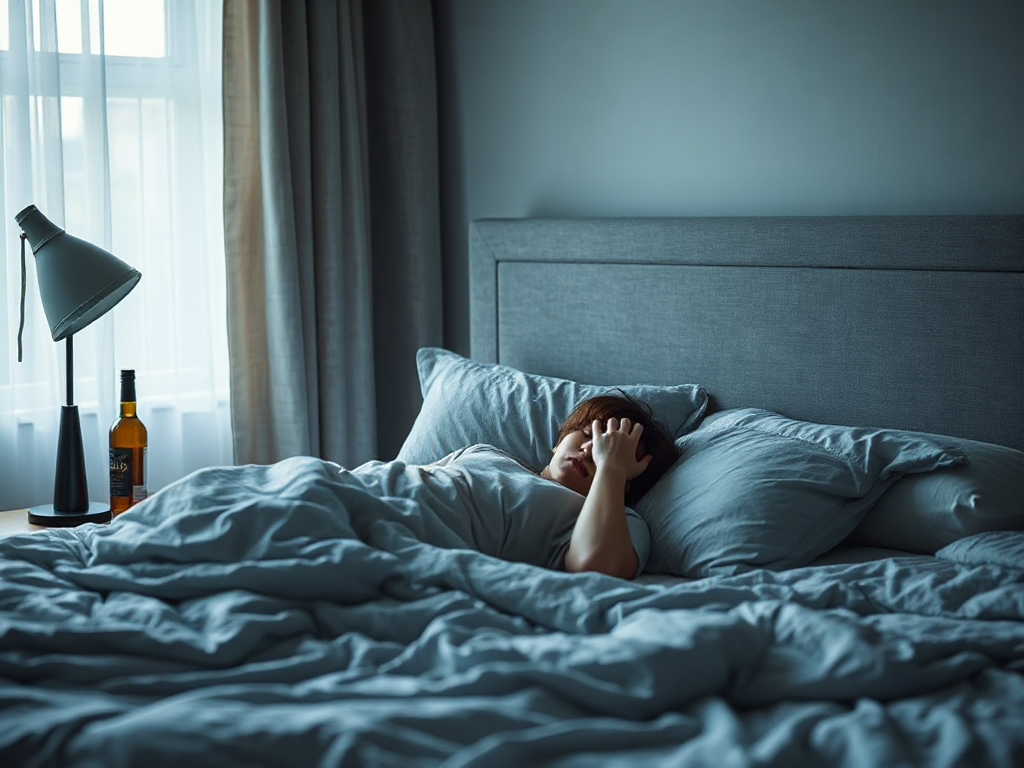
Nightmares may return after stopping alcohol use because alcohol had been suppressing REM sleep, and the brain can temporarily rebound into longer, more vivid dream periods during early recovery. Withdrawal-related anxiety, fragmented sleep, stress, dehydration, medication changes, and memories that were previously less noticeable can intensify dream content. The pattern often improves as sleep regulation settles, but severe symptoms such as confusion, hallucinations, seizures, or marked shaking require urgent medical care because alcohol withdrawal can be dangerous. Keeping a consistent sleep schedule, avoiding self-medication with alcohol or sedatives, recording timing and triggers, and discussing persistent nightmares with a clinician can clarify whether recovery-related sleep disruption or another condition needs attention.
Why Dreaming Can Intensify After Alcohol Stops
Alcohol changes normal sleep architecture, particularly the rapid eye movement (REM) stage associated with vivid dreaming. Although drinking may make someone fall asleep faster, sleep can become lighter and more interrupted later in the night. REM periods may be shortened or delayed while alcohol is present. After drinking stops, the nervous system can temporarily compensate with longer or more concentrated REM periods. That rebound can make dreams feel unusually vivid, frightening, or easy to remember.
The timing varies. Some people notice disturbing dreams within several nights, while others experience them after the first acute withdrawal symptoms have eased. A person may assume the nightmares prove that recovery is going badly, but vivid dreaming alone does not establish relapse, psychological deterioration, or a new diagnosis. The more useful question is whether the dreams are gradually becoming less frequent and whether daytime functioning is improving.
For example, someone who previously slept through the second half of the night after drinking may begin waking repeatedly at 3 a.m. during sobriety. Each awakening increases dream recall, so the person may experience both more dreams and more memories of them. That is different from proving that the brain is producing nightmares continuously. Sleep timing, awakenings, stress, and recall all influence the experience.
A common mistake is to use alcohol again as a sleep aid because it appears to suppress dreams temporarily. That approach can restart the same sleep disruption, increase dependence risk, and make future withdrawal more difficult. A steadier response is to observe the pattern, protect sleep regularity, and seek medical advice if symptoms are intense, prolonged, or accompanied by other withdrawal signs. Resources about why nightmares return after stopping alcohol use are most useful when they distinguish ordinary sleep rebound from urgent withdrawal.
How Withdrawal, Stress, and Sleep Fragmentation Shape Nightmares
REM rebound is only one possible contributor. Early alcohol recovery can involve heightened arousal, anxiety, sweating, restlessness, and changes in body temperature. Those sensations can interrupt sleep and feed threatening dream content. Stress about cravings, relationships, finances, health, or the decision to stop drinking may also appear in dreams even when a person has no history of trauma.
Sleep fragmentation changes dream recall as well as dream intensity. A person who wakes during or immediately after a vivid dream is more likely to remember it than someone who sleeps through the same period. Irregular bedtimes, naps, late caffeine, nicotine, uncomfortable surroundings, and frequent checking of the clock can keep the cycle going. Some medicines, including those that affect mood or sleep, may also alter dreaming; medication changes should be reviewed with the prescriber rather than handled independently.
Nightmares can sometimes reflect trauma-related symptoms that alcohol had been masking or avoiding. That possibility deserves careful assessment, not a quick assumption. A frightening dream after cessation may arise from REM rebound, withdrawal-related arousal, trauma memories, another sleep disorder, or several factors at once. The distinction matters because a sleep routine may be enough for a temporary rebound pattern, whereas recurrent trauma nightmares may benefit from targeted psychological care.
Consider two contrasting situations. A person has vivid dreams for ten days, wakes once nightly, and feels progressively more rested; monitoring and basic sleep support may be reasonable. Another person has nightly trauma scenes, avoids sleep, experiences panic during the day, and is drinking heavily again to prevent dreams; that pattern calls for professional support sooner. Treating every nightmare as a hidden trauma can create unnecessary fear, while dismissing severe distress as “just detox” can delay care.
Useful observations include when the dream occurs, how many awakenings happen, whether alcohol or another sedative was used, and what daytime symptoms follow. These details help a clinician separate a changing sleep pattern from a broader withdrawal or mental health concern.
What to Do During the First Weeks of Recovery
Medical safety comes before sleep optimization. People who have been drinking heavily, drinking daily, or previously experienced withdrawal should ask a healthcare professional how to stop safely. Alcohol withdrawal can escalate, and sleep disturbance may occur alongside symptoms that require urgent evaluation. Do not attempt to manage serious withdrawal by combining alcohol with sleeping pills, opioids, or unprescribed sedatives.
Once immediate safety has been addressed, a stable routine can reduce the conditions that amplify dream recall. Keep wake time reasonably consistent, obtain morning light, limit caffeine later in the day, and reserve the bed for sleep rather than prolonged worrying or phone use. A cool, dark room and a predictable wind-down period may help the brain associate nighttime with rest. These measures do not guarantee that nightmares will stop, but they reduce avoidable fragmentation.
If a nightmare causes an awakening, use a low-stimulation reset rather than analyzing every image at 3 a.m. Sit up, orient to the room, take slow breaths, and use a dim light if needed. If sleep does not return after a while, move briefly to a quiet activity and return when drowsy. Repeated clock-checking can increase performance anxiety about sleep, which may make the next attempt harder.
- Prioritize safety: seek urgent help for seizures, severe confusion, hallucinations, fainting, chest symptoms, or rapidly worsening withdrawal.
- Protect sleep timing: keep the morning anchor consistent even after a poor night, while avoiding long compensatory naps.
- Remove sleep-disrupting substitutes: do not replace alcohol with unprescribed sedatives or recreational drugs.
- Record trends: note dream frequency, awakenings, cravings, medication changes, and daytime alertness for several days.
The tradeoff is that a strict routine may feel difficult during early recovery, especially when fatigue is severe. Perfection is not the goal; repeated timing is more realistic than an elaborate sleep program. If nightmares remain disabling despite basic measures, the next step is evaluation rather than adding more over-the-counter products.
When Nightmares Need Medical or Mental Health Attention
Nightmares deserve clinical attention when they repeatedly disrupt sleep, produce strong fear of going to bed, worsen cravings, or interfere with work, driving, relationships, or daytime safety. A healthcare professional can review alcohol quantity and timing, withdrawal history, medical conditions, mental health symptoms, medications, and other substances. That assessment is more reliable than trying to identify the cause from dream imagery alone.
Urgent care is warranted for severe withdrawal warning signs, including seizures, hallucinations, major confusion, extreme agitation, or serious physical deterioration. Nightmares themselves are not usually the emergency; the surrounding symptoms determine the risk. Someone who is awake, oriented, and gradually improving may need outpatient guidance, while someone with escalating autonomic or neurological symptoms should not wait for sleep to normalize.
Persistent nightmares may also warrant trauma-informed therapy or treatment for anxiety, depression, or another sleep disorder. Nightmare-focused approaches can include rehearsal-based techniques in which a person develops a less threatening ending while awake and practices it regularly. Suitability depends on the person’s history, current stability, and access to a qualified clinician. It is not a reason to stop prescribed medication or begin a new treatment without advice.
A weak assumption is that every disturbing dream contains a precise message that must be decoded. Dream interpretation rarely provides a dependable medical diagnosis. Frequency, timing, distress, associated symptoms, and functional impact are more useful clinical information. Share the actual pattern: “I wake three times, sweat heavily, crave alcohol afterward, and have been sleeping four hours,” rather than only reporting that the dreams feel strange.
If a person feels at risk of drinking again, contacting a recovery professional, trusted support person, or local crisis service can create a safer bridge through the night. The practical goal is not to prove that the dreams are harmless; it is to identify whether the person needs withdrawal monitoring, sleep care, mental health treatment, or immediate protection from harm.
How to Track Progress Without Returning to Alcohol
A short sleep and symptom log can show whether the pattern is settling or becoming more disruptive. Record bedtime, wake time, estimated awakenings, nightmare occurrence, alcohol or substance use, caffeine timing, medication changes, and next-day alertness. Avoid writing lengthy dream narratives if doing so increases distress. A few objective details are usually more useful than trying to interpret every scene.
Look for direction rather than a single good or bad night. Improvement may appear as fewer awakenings, less intense fear, shorter time awake, better daytime concentration, or reduced reliance on emergency coping. A temporary spike after a stressful event does not necessarily mean recovery has failed. Conversely, worsening nightmares combined with renewed drinking, escalating anxiety, or inability to function should prompt a clinical conversation.
Use the log to test practical changes one at a time. If late caffeine is followed by restless sleep, moving it earlier may be worth trying. If long naps lead to delayed bedtime and more fragmented sleep, shorten them rather than abandoning the entire routine. If a new prescription coincides with unusual dreams, contact the prescriber before changing the dose. This approach avoids blaming every symptom on alcohol cessation when another factor may be contributing.
Nightmares can become part of a feedback loop: a frightening dream raises anxiety, anxiety makes sleep lighter, light sleep increases awakenings, and awakenings improve dream recall. A calm post-awakening routine interrupts that loop more effectively than repeated reassurance or alcohol. Readers seeking practical context on why nightmares return after stopping alcohol use should focus on the trend, the safety signals, and the support available rather than expecting an exact recovery timetable.
For reliable next steps, consult a physician, addiction treatment service, or recognized public-health organization familiar with alcohol withdrawal and sleep symptoms. Official medical guidance is preferable to online claims that promise a fixed detox timeline or recommend using alcohol, supplements, or sedatives to suppress dreams.
Frequently Asked Questions
Are nightmares after quitting alcohol a sign of relapse?
No. They can occur during sleep recovery and do not by themselves prove relapse. Check for alcohol use, withdrawal symptoms, daytime impairment, and whether the pattern is improving.
How long can vivid dreams last after stopping alcohol?
There is no single timetable. Duration depends on drinking history, sleep disruption, stress, medications, and other health factors. Persistent or worsening symptoms should be discussed with a clinician.
Should I drink alcohol to stop the nightmares?
Using alcohol to suppress dreams can restart sleep disruption and create safety risks. Ask a healthcare professional about withdrawal management and safer sleep support instead.
When are nightmares during withdrawal an emergency?
Seek urgent medical help for seizures, hallucinations, severe confusion, fainting, extreme agitation, or rapidly worsening physical symptoms. Nightmares paired with these signs should not be managed alone.
Can trauma cause nightmares to appear after sobriety?
Yes, trauma-related dreams may become more noticeable when alcohol no longer suppresses or fragments sleep. A qualified mental health professional can assess this without assuming that every dream is trauma-related.
Conclusion
Returning nightmares after alcohol cessation often reflect changing REM sleep, repeated awakenings, withdrawal-related arousal, or stress rather than a single hidden meaning. Safety takes priority: heavy or prolonged drinking can make withdrawal medically risky, particularly when confusion, hallucinations, seizures, or severe shaking appear. For less urgent patterns, keep wake time steady, avoid using alcohol or unprescribed sedatives as a sleep solution, and track a few practical details rather than interpreting every dream. Improvement is best judged by trends in sleep continuity, daytime function, distress, and cravings. If nightmares remain intense, trigger drinking, or prevent normal life, a clinician or addiction-informed mental health professional can help identify the relevant cause and choose appropriate support.