Author name: Miles Pierce

Miles Pierce is a lead contributor at PTSD Updates, where the work centers on Ptsd Recovery, Ptsd Healing. Each article is built to clarify the subject, strengthen trust, and give readers practical guidance they can actually use.

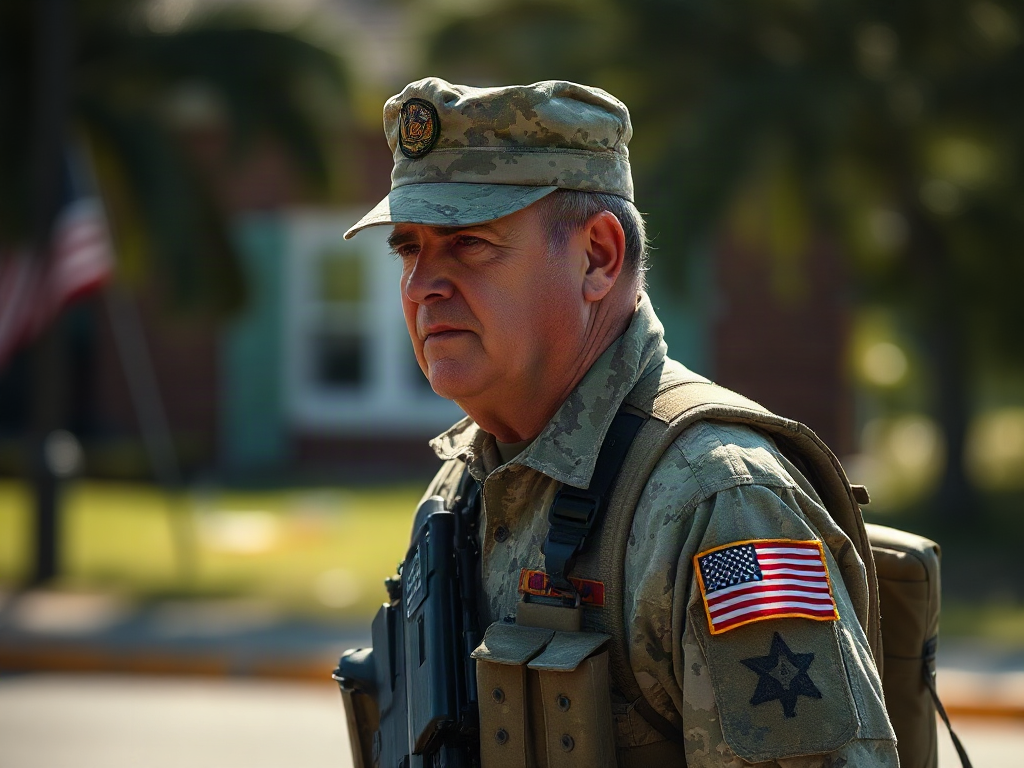
How Combat PTSD Changes Reactions to Authority Figures: Causes, Patterns, and Practical Responses
PTSD Support

How Combat PTSD Changes Reactions to Authority Figures: Causes, Patterns, and Practical Responses

Combat PTSD can change reactions to authority figures by making commands, criticism, surveillance, or power differences feel connected to danger, loss of control, or past military experiences. A veteran may respond with irritability, argument, withdrawal, freezing, heightened alertness, or automatic compliance even when the present authority figure is not threatening.

Navigating Intimacy After PTSD-Related Emotional Numbing and Startle Responses: Steps for Safer Connection
PTSD Support

PTSD Symptoms That Worsen During Military Anniversaries: Warning Signs, Timing, And Coping Steps

PTSD symptoms that worsen during military anniversaries often include intrusive memories, nightmares, irritability, avoidance, hypervigilance, sleep disruption, and emotional numbness. The date may reactivate trauma associations through reminders such as memorial events, news coverage, unit messages, names, weather, or familiar sounds, even when a person feels stable at other times.

Preparing for a Psychiatric Evaluation When Trauma Memories Go Blank: A Memory-Blank Checklist
PTSD Support

Preparing for a Psychiatric Evaluation When Trauma Memories Go Blank: A Memory-Blank Checklist

Preparing for a psychiatric evaluation when trauma memories go blank means documenting symptoms, gaps, triggers, and daily effects without forcing a complete trauma narrative. Memory loss during discussion may be linked to dissociation, intense anxiety, stress-related concentration problems, sleep disruption, medication effects, or other conditions, so it should be reported…

PTSD Support

PTSD and Appetite Changes After Leaving a Structured Military Environment (Meal Timing, Stress Signals, and Support Options)

PTSD and appetite changes after leaving a structured military environment often reflect the loss of scheduled meals, changes in sleep and activity, trauma reminders, and stress-related shifts in digestion or hunger signals. Some veterans skip meals because civilian routines feel unstructured, while others eat rapidly, rely on highly convenient foods…

Ptsd Recovery

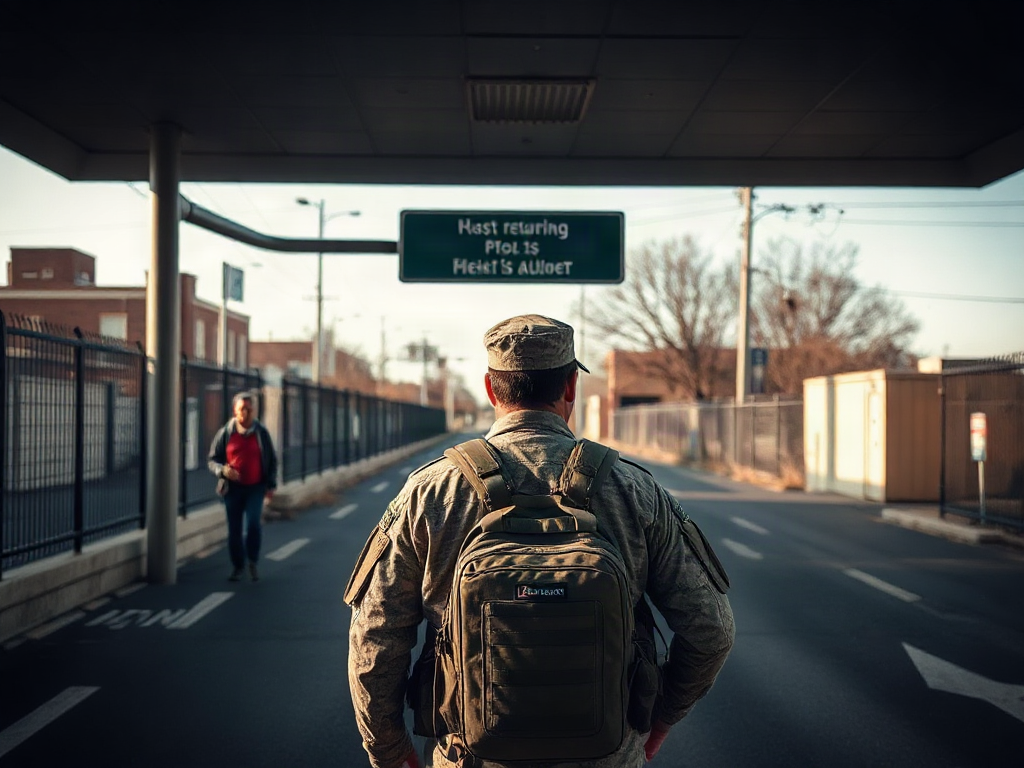
Why Returning to a Former Military Base Can Destabilize Recovery: Triggers, Preparation, and Safer Reentry

Returning to a former military base can destabilize recovery because familiar buildings, sounds, smells, routines, and unresolved memories may reactivate threat responses before a person has time to assess the present. A gate checkpoint, barracks layout, vehicle noise, or contact with former personnel can produce hypervigilance, dissociation, sleep disruption, irritability, or urges to avoid support.

Veterans Ptsd

PTSD-Related Dissociation During Conversations About Military Service: Signs, Grounding Methods, and When to Seek Care

PTSD-related dissociation during conversations about military service can make a person feel detached, lose track of the discussion, or experience a blank period when reminders activate the brain’s threat response. Military language, names, locations, sensory details, guilt, and questions that resemble an after-action review may intensify that reaction.

PTSD Support

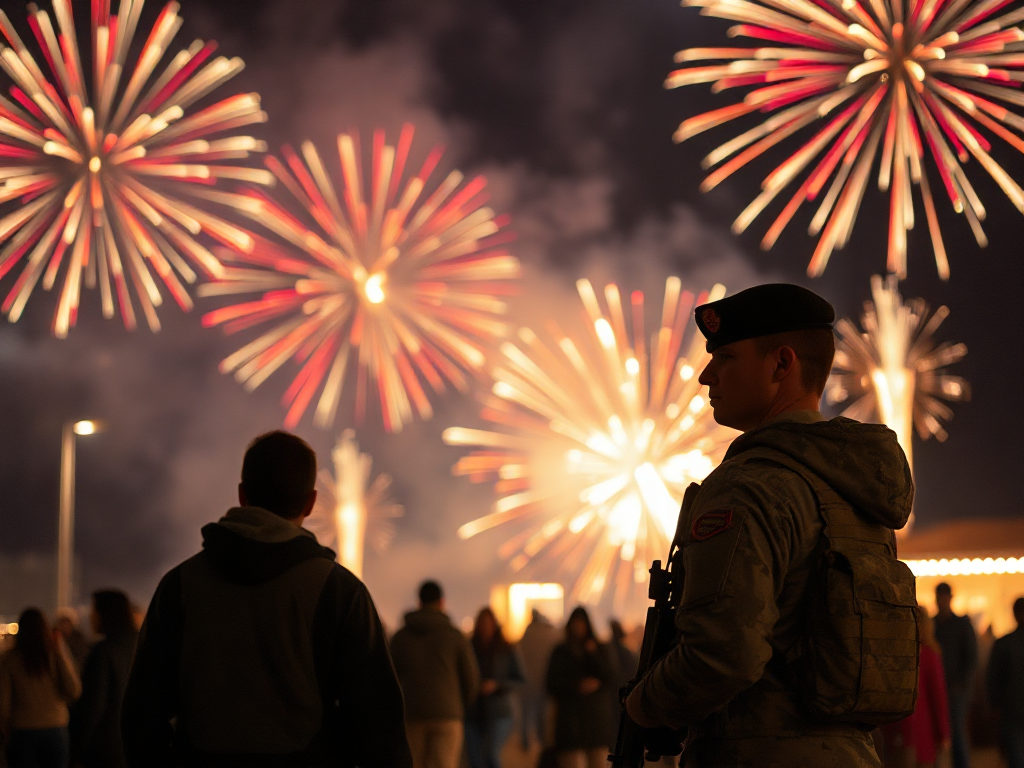
PTSD Symptoms Triggered by Fireworks Despite No Direct Combat Exposure: Civilian Triggers, Warning Signs, and Calming Steps

PTSD symptoms triggered by fireworks despite no direct combat exposure can occur when sudden blasts, flashes, smoke, or crowded celebrations activate the brain’s threat system after another traumatic experience. A person may experience startle reactions, intrusive memories, panic, dissociation, sleep disruption, irritability, or avoidance even when the fireworks are objectively safe.

Scroll to Top