
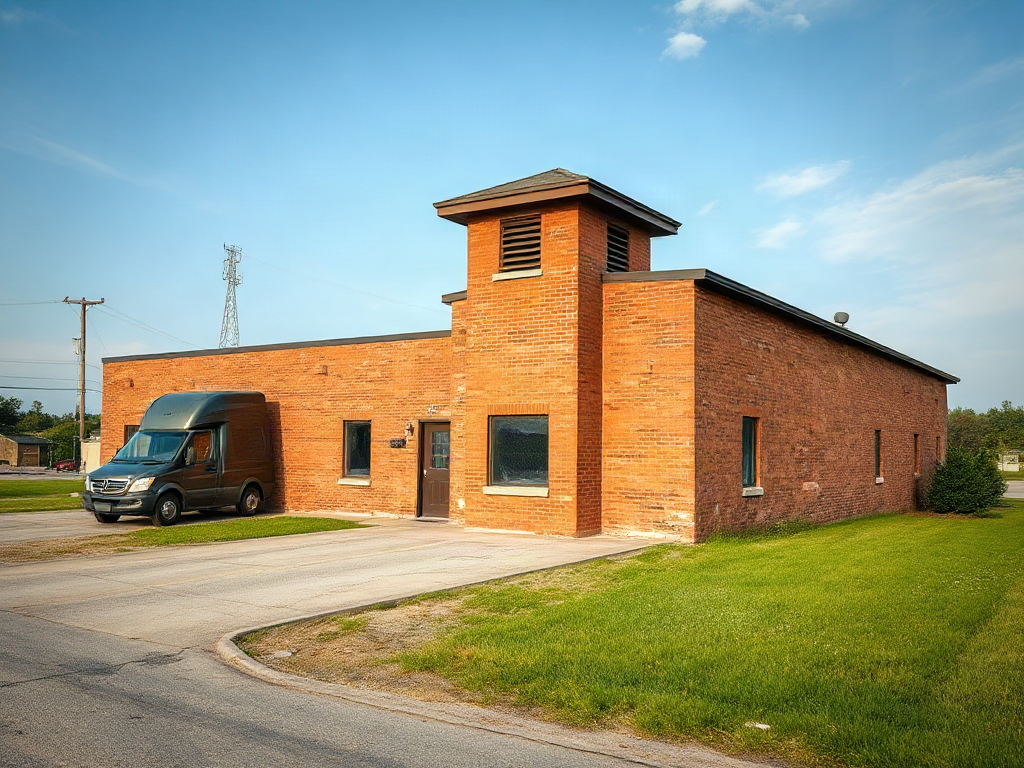
Returning to a former military base can destabilize recovery because familiar buildings, sounds, smells, routines, and unresolved memories may reactivate threat responses before a person has time to assess the present. A gate checkpoint, barracks layout, vehicle noise, or contact with former personnel can produce hypervigilance, dissociation, sleep disruption, irritability, or urges to avoid support. The risk is higher when the visit is unplanned, emotionally loaded, physically exhausting, or undertaken without an exit option. A safer approach is to clarify the purpose, identify likely triggers, arrange a trusted companion, set a time limit, and plan grounding and follow-up care rather than treating the visit as a test of recovery.
Why a Familiar Base Can Reactivate Threat Responses
A former military base is not merely a physical location for someone who served there. Its roads, entry procedures, room layouts, odors, alarms, uniforms, and daily rhythms may be linked to periods of danger, loss, chronic stress, moral injury, or intense responsibility. Returning can therefore activate a body-based alarm response even when the person consciously knows the site is no longer dangerous. The reaction may appear as tension, scanning, emotional numbness, racing thoughts, anger, or a strong need to leave.
Memory is not limited to a spoken story. Environmental cues can connect with sensory and procedural memory: the sound of a vehicle on gravel, the smell of fuel or industrial cleaner, the view from a guard post, or the habit of checking entrances. A person may feel transported into an earlier state rather than simply reminded of an event. That distinction matters because reasoning alone may not quickly settle the nervous system.
For example, a visitor may enter expecting nostalgia and instead become rigid and watchful near an old operations building. Another person may feel fine during the tour but experience insomnia and intrusive memories that night. Neither response proves that recovery has failed. It shows that the setting carries associations that may exceed the person’s current coping capacity.
A common mistake is treating the visit as a pass-or-fail examination. That mindset can encourage someone to hide distress, remain on site too long, or dismiss early warning signs. A more useful question is whether the purpose of the visit can be met with a manageable level of exposure and adequate support. Reading why returning to a former military base can destabilize recovery through that lens keeps the focus on safety and sustainable functioning rather than endurance.
Triggers That Make a Return Harder Than Expected
The strongest trigger is not always the most obvious one. A person may anticipate a memorial, a former barracks, or a combat-related location but overlook administrative procedures, crowded parking areas, loud announcements, or interactions with security personnel. The combination of several modest cues can create a much heavier response than any single cue would produce.
Social context also changes the experience. Seeing former colleagues may bring connection, grief, shame, resentment, or pressure to appear unchanged. A reunion can become difficult when others tell stories that conflict with the visitor’s memories or expect emotional openness. Visiting with family can add another layer: the person may feel responsible for explaining the site while privately trying to remain regulated.
Physical conditions influence tolerance. Poor sleep, pain, medication changes, alcohol use, hunger, heat, long travel, and limited privacy can reduce the ability to recover from activation. A short visit after a restful night may be manageable, while the same route after an exhausting trip may produce a much stronger reaction. The setting is only part of the load.
Consider a former service member returning for a records appointment. The stated task is brief, but the route passes a gate, motor pool, and housing area. If the appointment runs late and the visitor cannot easily leave, rising arousal may be mistaken for simple impatience. Planning should account for the whole sequence, not just the building where the appointment occurs.
The opposite misconception is that avoiding every reminder is always the safest choice. Avoidance can provide immediate relief, but it may also narrow daily life when it becomes the only response. That does not mean forced exposure is appropriate. A gradual, voluntary visit with clinical guidance may be more suitable than an emotionally intense return arranged without preparation. The decision should reflect the person’s current stability, purpose, and available support.
Planning a Visit Without Turning It Into a Recovery Test
A safer return begins by defining the task narrowly. “Go back and see how it feels” creates an unpredictable emotional assignment. “Attend a 30-minute appointment at one building, with transportation available afterward” creates boundaries. The purpose may be practical, commemorative, relational, or personal, and each purpose calls for a different level of preparation.
Before going, identify likely pressure points and rank them. A useful plan can include the entrance procedure, specific buildings, people who may be present, transportation, food and water, a private place to pause, and a clear departure time. Check whether access rules or scheduling requirements could create delays. If the visit involves a public event, learn where quieter areas and exits are located.
A companion should have a defined role rather than simply being present. They might drive, notice changes in speech or attention, handle a phone call, or support an agreed departure signal. The visitor should not have to justify leaving. If a companion is unavailable, a scheduled check-in with someone outside the site can provide a modest safety layer, although it is not equivalent to in-person support when severe dissociation or panic is a concern.
Grounding tools work best when selected in advance and practiced somewhere neutral. Slow exhalation, naming the current date and location, pressing both feet into the floor, holding a familiar object, or describing visible colors can help orient attention to the present. The goal is not to erase memories or force calm; it is to create enough present-moment contact to make a sound decision.
- Set a time boundary: choose a departure time before entering.
- Keep an exit option: avoid arrangements that depend on someone else’s schedule.
- Reduce avoidable strain: protect sleep, eat beforehand, and avoid using alcohol to manage anticipation.
- Schedule recovery time: leave room afterward for quiet, food, rest, and a check-in.
One failure mode is overpacking the itinerary to make travel feel worthwhile. Multiple buildings, a reunion, a ceremony, and an unplanned tour may turn a controlled visit into an extended exposure. A shorter visit that ends with stable functioning is generally more informative than a longer visit endured through escalating distress. The internal link why returning to a former military base can destabilize recovery is most useful when it leads to concrete limits, not pressure to prove resilience.
Recognizing Trouble During and After the Visit
Early warning signs often appear before a person feels overwhelmed. They can include tunnel vision, losing track of conversation, sudden silence, repeated scanning, unusually fast speech, shaking, nausea, emotional flattening, or confusion about the sequence of events. A companion may notice these changes sooner than the visitor does. Treating them as information allows a pause before the response becomes harder to control.
A simple decision rule can help: pause when distress is rising, relocate to a quieter place, use a practiced grounding method, and reassess whether the original purpose still requires staying. If orientation, judgment, or the ability to communicate is deteriorating, leaving is a safety decision rather than a personal defeat. Driving should be reconsidered if the person is severely dissociated, panicked, sedated, or otherwise unable to focus safely.
Delayed reactions deserve equal attention. Someone may appear composed on site and later develop nightmares, irritability, isolation, headaches, intrusive memories, or a marked drop in concentration. A delayed response does not necessarily mean the visit caused lasting harm, but it signals that the experience carried a substantial load. Logging what happened, which cues were present, how long symptoms lasted, and what helped can guide future decisions.
Compare two responses after a visit. In one, the person has a quiet evening, contacts a therapist, sleeps reasonably, and notices that distress declines over the next day. In the other, they cancel responsibilities, increase substance use, remain unable to sleep, and withdraw from trusted people. The second pattern warrants more support and possibly a pause on further visits.
Another mistake is demanding a full explanation immediately. Exhaustion can make detailed processing harder. A brief factual check-in may be more useful at first: “What did you notice, what do you need tonight, and is anyone at risk?” Persistent or severe symptoms, thoughts of self-harm, inability to care for basic needs, or loss of contact with reality require prompt professional help or emergency assistance.
When Support or a Different Choice Makes More Sense
Not every return needs to happen now, and some purposes can be met without entering the base. A person might request records remotely, view photographs with support, speak with a trusted former colleague by phone, visit a memorial elsewhere, or postpone until treatment and daily stability are stronger. Choosing an alternative does not erase the meaning of the place; it recognizes that timing and format affect risk.
Professional support may be especially useful when previous visits led to prolonged destabilization, when trauma symptoms are active in ordinary settings, or when the location is connected to bereavement, perpetration, injury, or unresolved disciplinary experiences. A clinician can help distinguish manageable activation from a pattern that is disrupting treatment or basic functioning. The discussion should include the concrete itinerary and likely cues, not only the abstract wish to return.
There is a tradeoff between privacy and support. Going alone may feel less exposing, but it removes an external observer and makes transportation or departure harder. Bringing family may provide care while also increasing pressure to perform or explain. A neutral companion, clinician-supported preparation, or a brief daytime visit may offer a better balance than either extreme.
Prioritize the reason for going, the person’s present baseline, and the consequences of a difficult reaction. If the visit is optional and current sleep, substance use, mood, or safety are unstable, postponement may be prudent. If the visit is necessary, reduce its scope and arrange follow-up. The practical question is not whether the base should be permanently avoided or confronted immediately; it is which version of the decision preserves functioning and access to support.
For ongoing planning, why returning to a former military base can destabilize recovery can be used as a prompt to review triggers, boundaries, transportation, and aftercare with a qualified provider. A plan is working when the person can remain oriented, choose to leave, and return to ordinary routines without a prolonged crash. It is failing when distress is concealed, limits are ignored, or the aftermath repeatedly undermines sleep, relationships, treatment, or safety.
Frequently Asked Questions
Can returning to a former base trigger PTSD symptoms?
Yes. Familiar sensory cues and emotionally loaded encounters may activate intrusive memories, hypervigilance, dissociation, sleep problems, or avoidance, even when the current environment is objectively safe.
Does a strong reaction mean recovery has failed?
No. A strong response indicates that the visit exceeded current tolerance or activated powerful associations. It is useful information for adjusting timing, duration, support, and treatment planning.
Should someone visit the base alone?
Solo travel may be reasonable for a stable, brief, familiar errand, but a trusted companion or scheduled check-in is safer when dissociation, panic, severe activation, or difficult transportation is possible.
What should someone do if distress rises on site?
Pause, move to a quieter area, orient to the date and present location, contact the agreed support person, and leave if functioning or safety is deteriorating. Do not drive if concentration or orientation is impaired.
When should a visit be postponed?
Postpone when sleep, substance use, mood, physical health, or safety is already unstable, or when a previous visit caused prolonged disruption. A clinician can help identify a safer time or alternative.
Conclusion
A former military base can carry sensory and emotional associations that reactivate threat responses long after service has ended. The most useful preparation is specific: define the purpose, map likely cues, protect transportation and exit options, choose support, and plan what happens afterward. Treating the visit as a test of toughness usually adds pressure and can obscure warning signs. Treating it as a controlled decision allows the person to adjust or stop without shame. Notice whether distress settles with grounding and support or continues into sleep, relationships, treatment, and daily responsibilities. If the aftermath is severe or recurring, involve a qualified mental health professional and consider alternatives to entering the site. Recovery is better protected by a manageable choice than by an unnecessarily intense return.