
Author name: PTSD Updates Editorial Team

PTSD Updates Editorial Team is the accountable publishing team for PTSD Updates. The team develops and maintains clear, research-informed content about Ptsd Recovery, PTSD Support, Veterans Ptsd, Ptsd Healing, Post Traumatic Stress Disorder, and Ptsd Groups to help readers understand the subject and make informed decisions. The team is responsible for editorial decisions, appropriate sourcing, clear explanations, factual consistency, and corrections.

Veterans Ptsd

When a Veteran’s PTSD Causes Repeated Checking and Security Rituals (What Keeps the Cycle Going and What Helps)

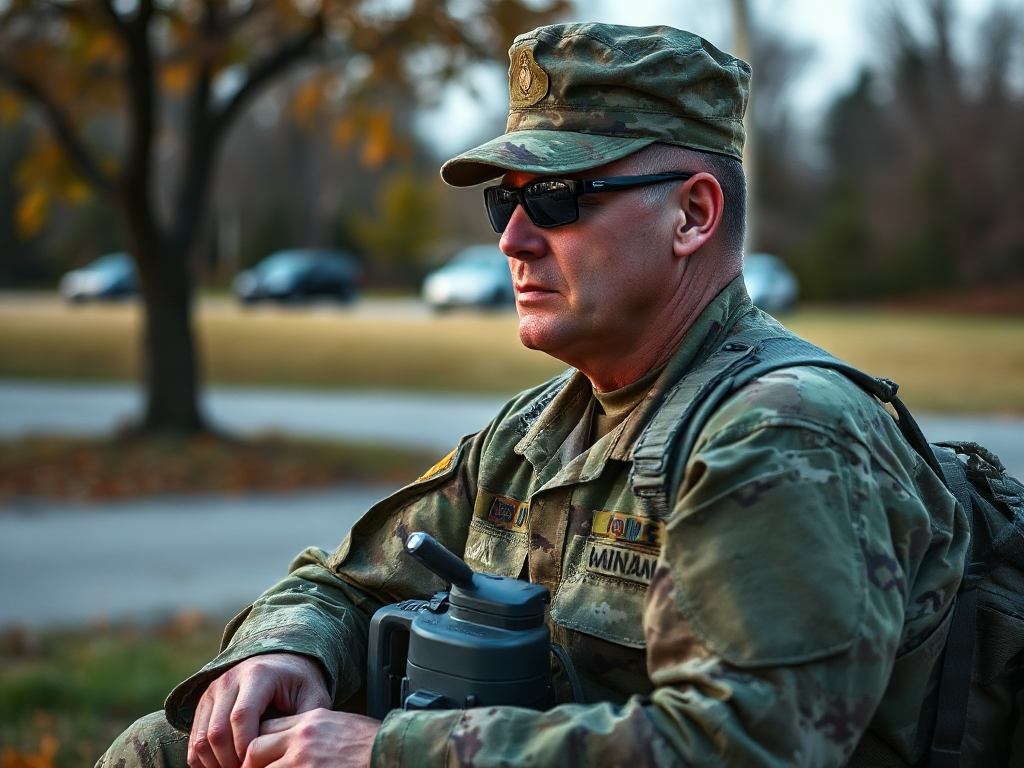
Repeated checking and security rituals in a veteran with PTSD often develop when the nervous system treats ordinary uncertainty—such as an unlocked door, an unfamiliar sound, or a dark window—as a possible threat. Checking may briefly lower fear, but the relief can teach the brain that another inspection is needed, allowing the ritual to expand.
Veterans Ptsd

Why Combat-Related PTSD Can Worsen After Retirement or Separation: Causes, Warning Signs, and Care Options

Combat-related PTSD can worsen after retirement or separation because military structure, mission-focused routines, social connection, and constant task demands may have helped contain symptoms rather than resolved them. Once those protections disappear, intrusive memories, sleep disruption, irritability, guilt, substance use, and hypervigilance may become harder to manage.

Veterans Ptsd

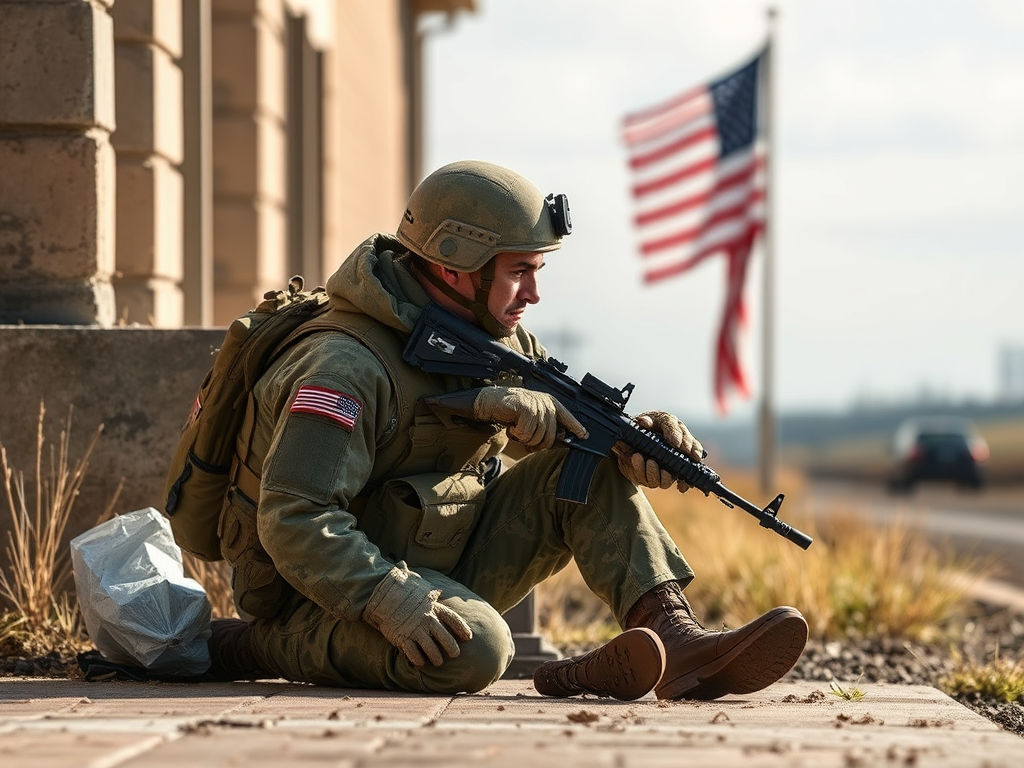
Why Combat Veterans May Mistake Hypervigilance for Safety: How Threat Scanning Becomes a Habit

Combat veterans may mistake hypervigilance for safety because constant threat scanning once helped them detect danger, control uncertainty, and protect others, even though that response can remain active in ordinary settings. The brain may interpret tension, repeated checking, guarded positioning, and difficulty relaxing as evidence of preparedness rather than signs of an overactive alarm system.

PTSD Support

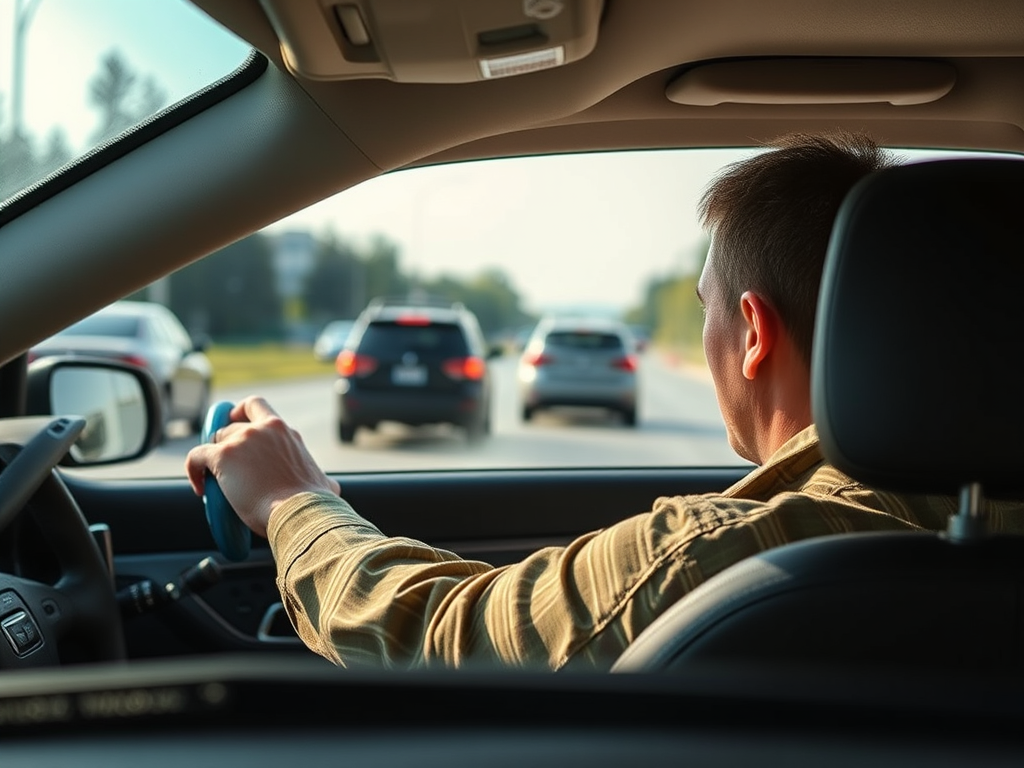
Why Hypervigilance Makes Driving Difficult After Military Trauma: Triggers, Risks, and Safer Steps

Hypervigilance makes driving difficult after military trauma because the brain may treat ordinary traffic cues—sudden braking, vehicles approaching from behind, roadside objects, or crowded intersections—as possible threats. That heightened scanning can narrow attention, increase muscle tension, speed up decisions, and trigger avoidance, panic, irritability, or dissociation.

Veterans Ptsd

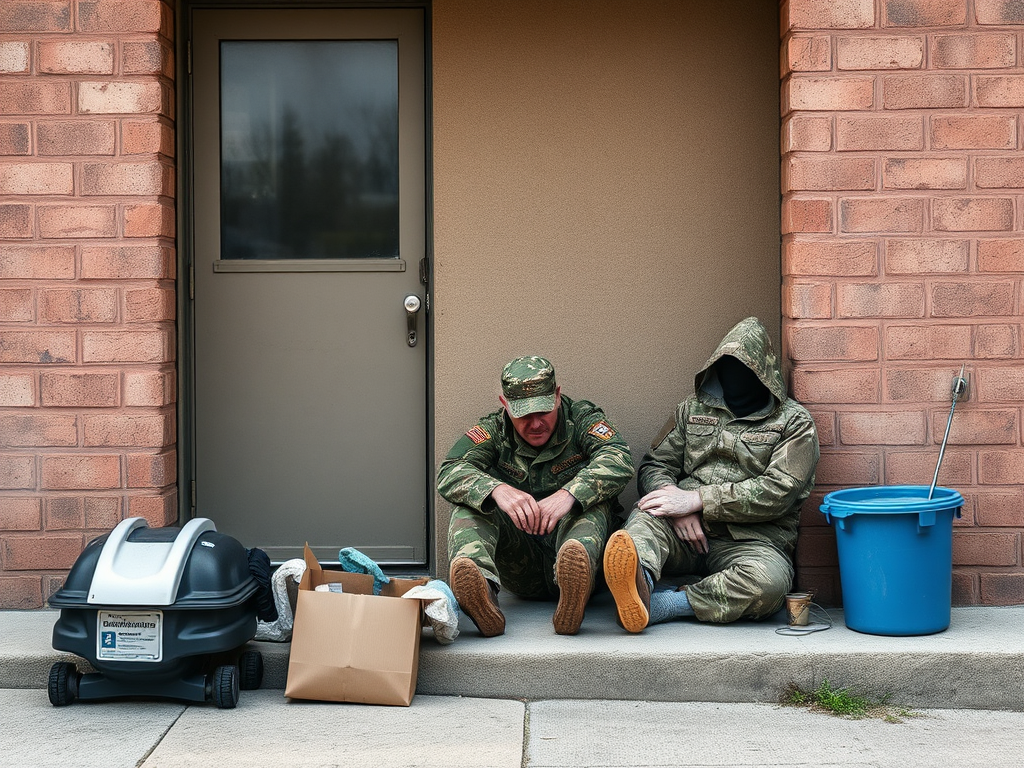
PTSD and Homelessness Risk After Loss of Military Routine: Causes, Warning Signs, and a Housing Stability Plan

PTSD and homelessness risk after loss of military routine often rise together when predictable duties, income, social contact, and command structure disappear while trauma symptoms disrupt sleep, trust, work, and help-seeking. The transition can become hazardous when missed appointments, substance use, isolation, untreated pain, or an unaffordable housing gap compound one another.

Veterans Ptsd

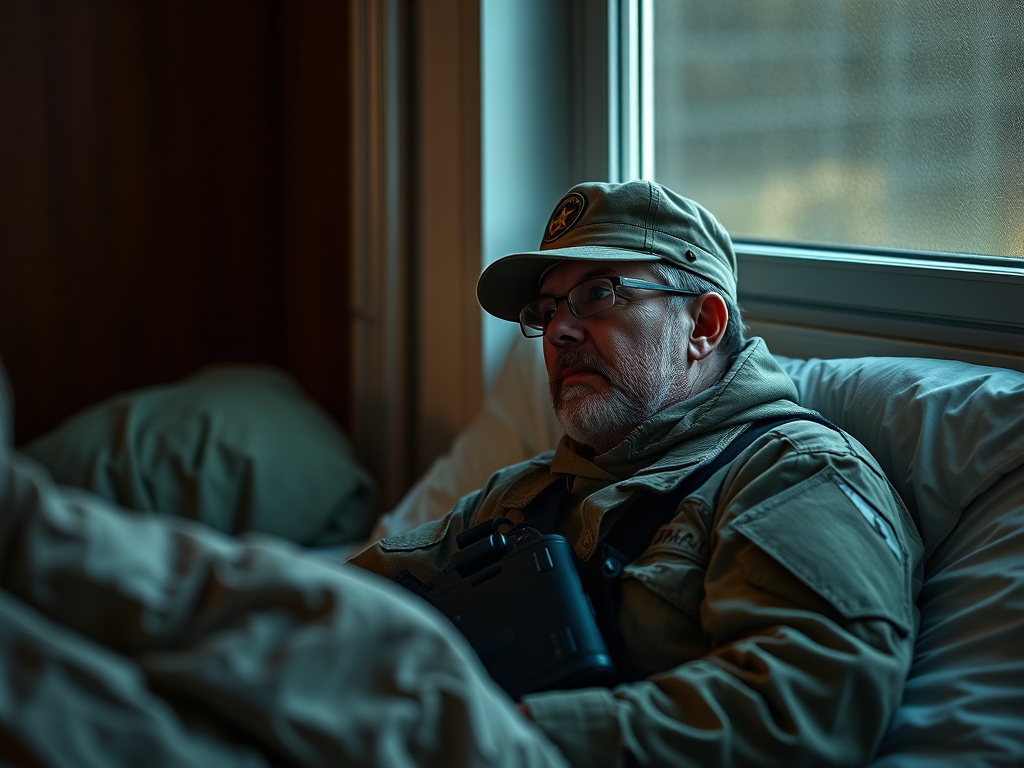
When a Veteran’s Safety Plan Fails During Sudden Nighttime Awakening: Immediate Actions and Safety Checks

When a veteran’s safety plan fails during sudden nighttime awakening, the priority is to reduce immediate danger, orient to the present, and contact a trusted person or emergency service if safety cannot be restored. Darkness, disorientation, trauma-related body memories, medication effects, sleep deprivation, and access to weapons or other hazards…

Ptsd Recovery

Why Anniversaries of Combat Events Can Trigger Delayed PTSD Reactions: Timing, Causes, and Practical Steps

Anniversaries of combat events can trigger delayed PTSD reactions because calendar cues, memories, body sensations, and unresolved grief can reactivate the nervous system even when someone has felt stable for years. A date may bring intrusive memories, sleep disruption, irritability, avoidance, guilt, or heightened alertness, especially when combined with news…

Scroll to Top