
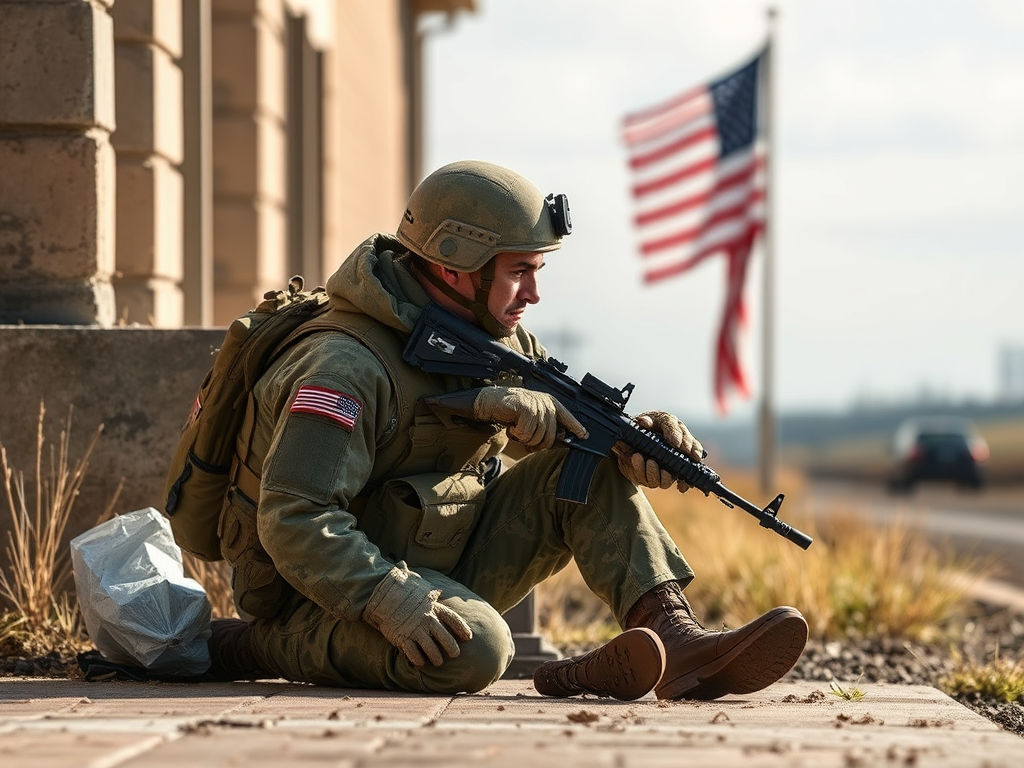
Anniversaries of combat events can trigger delayed PTSD reactions because calendar cues, memories, body sensations, and unresolved grief can reactivate the nervous system even when someone has felt stable for years. A date may bring intrusive memories, sleep disruption, irritability, avoidance, guilt, or heightened alertness, especially when combined with news coverage, reunions, ceremonies, or changes in routine. The reaction does not necessarily mean that recovery has failed or that a new trauma occurred. Marking the date in advance, reducing avoidable stress, using trusted support, and contacting a qualified mental health professional when symptoms persist can make the period more manageable.
Why a Calendar Date Can Reawaken Combat Memories
A combat anniversary can function as a powerful reminder even when no one deliberately focuses on the past. The date may be linked to a deployment event, a loss, an injury, an evacuation, or a period of prolonged danger. Over time, the brain can connect that date with sensory details such as heat, darkness, vehicle noise, uniforms, radio traffic, smells, or the emotional atmosphere surrounding the event. When the calendar approaches, those associations may become active before the person consciously identifies the reason.
Memory does not operate like a file that is opened only on command. Trauma-related memories may be stored with strong physical and emotional responses, so a reminder can produce rapid changes in sleep, muscle tension, concentration, or vigilance. Someone might notice restlessness several days before the anniversary, then recognize the pattern only after the date has passed. A person who has managed well for years may interpret this as sudden deterioration, although a time-linked flare does not by itself establish that recovery has been lost.
Anniversary reactions are also shaped by present circumstances. Poor sleep, chronic pain, alcohol use, family conflict, financial pressure, illness, or a recent loss can reduce the capacity to regulate distress. Public reminders may add another layer: documentaries, social media posts, memorial services, or conversations with former unit members can make the date harder to ignore. A quiet day at home and a crowded ceremony can therefore produce very different reactions to the same anniversary.
A common mistake is assuming that a strong response means the person secretly wants to relive the event or has failed to move forward. Another is assuming that the date is harmless because symptoms did not appear in previous years. A more useful approach is to treat the anniversary as a predictable period of increased vulnerability. Tracking sleep, mood, physical tension, and exposure to reminders can reveal a pattern and make early planning possible. Readers looking at why anniversaries of combat events can trigger delayed PTSD reactions should distinguish a time-limited reminder response from symptoms that continue to interfere with daily functioning.
What Delayed Anniversary Reactions May Look Like
Delayed reactions may appear emotionally, physically, behaviorally, or socially. Intrusive memories and nightmares are familiar possibilities, but some people mainly experience irritability, emotional numbness, headaches, stomach discomfort, startle responses, or difficulty concentrating. Others become unusually watchful, avoid driving routes, refuse invitations, withdraw from family, or feel compelled to stay busy so that thoughts do not surface.
The timing can be confusing. Symptoms may start before the anniversary, peak on the date, or emerge afterward when the person is no longer occupied with preparations. A service member may appear composed during a memorial gathering and experience insomnia or anger later that night. Someone else may feel fine on the date but become distressed after seeing a photograph, hearing a familiar song, or speaking with a survivor. Delayed onset after the immediate reminder does not make the reaction less connected to the anniversary.
Not every difficult feeling indicates PTSD. Sadness, reflection, or temporary tension can occur without meeting criteria for a disorder. Concern rises when symptoms are intense, persistent, escalating, or disruptive. Warning signs include repeated nightmares, inability to work or care for dependents, severe avoidance, panic, aggressive behavior, increased substance use, hopelessness, or thoughts of self-harm. A professional assessment can separate an anniversary response from depression, anxiety, sleep disorders, substance-related problems, grief, or another condition that may need attention.
Consider two contrasting situations. A person may have a few restless nights, tell a partner that the date is difficult, and return to normal routines afterward. Another may stop sleeping, isolate for weeks, drink heavily, and remain unable to tolerate ordinary sounds or conversations. Both deserve compassion, but the second situation calls for prompt clinical contact rather than relying only on self-management. For more context, why anniversaries of combat events can trigger delayed PTSD reactions is best understood through duration, impairment, safety, and the person’s own sense of control—not through the calendar date alone.
Planning for a Difficult Date Without Avoiding Life
Advance planning is usually more useful than trying to force the anniversary out of mind. Begin by identifying the likely window: some people need support for a single day, while others notice changes across a week or more. Review upcoming obligations, travel, ceremonies, family events, work demands, and access to sleep. The goal is not to eliminate every reminder. Excessive avoidance can shrink daily life and may reinforce the belief that ordinary places, sounds, or conversations are unsafe.
A practical plan can include a small number of specific decisions:
- Tell one trusted person what the date may bring and agree on how to check in.
- Protect sleep, regular meals, prescribed medication routines, and time for decompression.
- Choose whether a memorial, reunion, news coverage, or online discussion is genuinely supportive this year.
- Arrange transportation and an exit option if attending a crowded or emotionally intense event.
- Decide in advance what to do if nightmares, panic, anger, or urges to drink become stronger.
Grounding techniques may help shift attention toward present safety. Naming objects in the room, feeling both feet on the floor, slowing the exhale, or holding a cool drink can interrupt escalating arousal for some people. These tools are not a cure and should not be presented as a replacement for treatment. Their value is practical: they may create enough space to leave a triggering setting, call someone, or make a safer choice.
Planning also requires honest tradeoffs. Complete isolation may feel safer in the short term but can increase loneliness and leave family members unsure how to respond. Attending every ceremony may offer connection but can expose someone to graphic discussion, crowds, or survivor guilt. A middle option—brief attendance with a trusted companion, a private ritual, or no public event this year—may fit better. The right choice depends on current symptoms, prior experience, and whether the activity leaves the person more settled or more dysregulated. The why anniversaries of combat events can trigger delayed PTSD reactions topic becomes actionable when planning focuses on safety and flexibility rather than proving strength.
When Extra Help Is Warranted
Professional support deserves priority when anniversary symptoms persist beyond the expected period, recur with increasing intensity, or interfere with work, relationships, sleep, or basic responsibilities. A person does not need to wait for a crisis or disclose every combat detail before contacting a clinician. An initial appointment can focus on what is happening now: nightmares, avoidance, anger, panic, drinking, concentration problems, or fear of losing control.
Evidence-based PTSD care may include trauma-focused psychotherapy, medication evaluation, or both, depending on the person’s history, preferences, medical conditions, and access to care. A general medical clinician can help assess sleep, pain, medication effects, and substance use while referring to a mental health professional with relevant experience. Peer support can reduce isolation, but peers should not be expected to provide crisis care or diagnose symptoms.
Family members can help by asking concrete questions instead of demanding an explanation: “What would make this week easier?” or “Would you like company, quiet, or help making an appointment?” Pressuring someone to attend a memorial, share memories, or stop avoiding a reminder can backfire. At the same time, relatives should not ignore threats, reckless behavior, severe intoxication, or inability to stay safe.
Urgent help is appropriate when there are thoughts of suicide, plans to harm someone, severe confusion, dangerous substance use, or an inability to maintain immediate safety. In the United States, calling or texting 988 connects people with the Suicide & Crisis Lifeline; emergencies should be directed to 911 or the local emergency service. Outside the United States, use the relevant local crisis number. A frequent failure mode is waiting for the anniversary to pass while symptoms steadily worsen. Early contact gives a clinician more options than a late request made during a crisis.
Frequently Asked Questions
Can a combat anniversary cause PTSD symptoms years later?
Yes. A date can reactivate trauma-linked memories and physical stress responses after a long period of stability. The pattern should be assessed by duration, severity, and impact rather than by how much time has passed.
Are anniversary reactions proof that PTSD treatment failed?
No. A temporary increase in symptoms can occur during a predictable reminder period without meaning that prior progress has disappeared. Persistent or worsening impairment warrants a treatment review.
Should someone avoid memorials and combat-related news?
Not automatically. Avoidance may be reasonable when exposure is overwhelming or unsafe, while limited participation with an exit plan may be manageable. The useful measure is whether the choice supports functioning rather than steadily narrowing life.
How can family members help during an anniversary period?
Offer practical support, ask what kind of contact is wanted, protect privacy, and avoid pressuring the person to talk or attend events. Take threats, severe intoxication, or dangerous behavior seriously.
When should someone seek urgent help?
Seek urgent help for suicidal thoughts, intent to harm others, severe confusion, dangerous substance use, or inability to remain safe. In the United States, call or text 988, or call 911 for an immediate emergency.
Conclusion
Combat anniversaries can expose a predictable connection between a calendar date and a trauma response, but the meaning of that response depends on its intensity, duration, and effect on daily life. Preparing before the date, protecting sleep and routines, choosing reminders carefully, and involving a trusted person can reduce avoidable strain. Short-term grounding may help with surges of arousal, while recurring nightmares, severe avoidance, substance misuse, or safety concerns call for professional care. Family members should offer choices rather than pressure, and no one needs to wait until symptoms become unmanageable to ask for help. Treat the anniversary as a period to monitor and plan around—not as proof that progress has been erased.