
Author name: PTSD Updates Editorial Team

PTSD Updates Editorial Team is the accountable publishing team for PTSD Updates. The team develops and maintains clear, research-informed content about Ptsd Recovery, PTSD Support, Veterans Ptsd, Ptsd Healing, Post Traumatic Stress Disorder, and Ptsd Groups to help readers understand the subject and make informed decisions. The team is responsible for editorial decisions, appropriate sourcing, clear explanations, factual consistency, and corrections.

PTSD Support

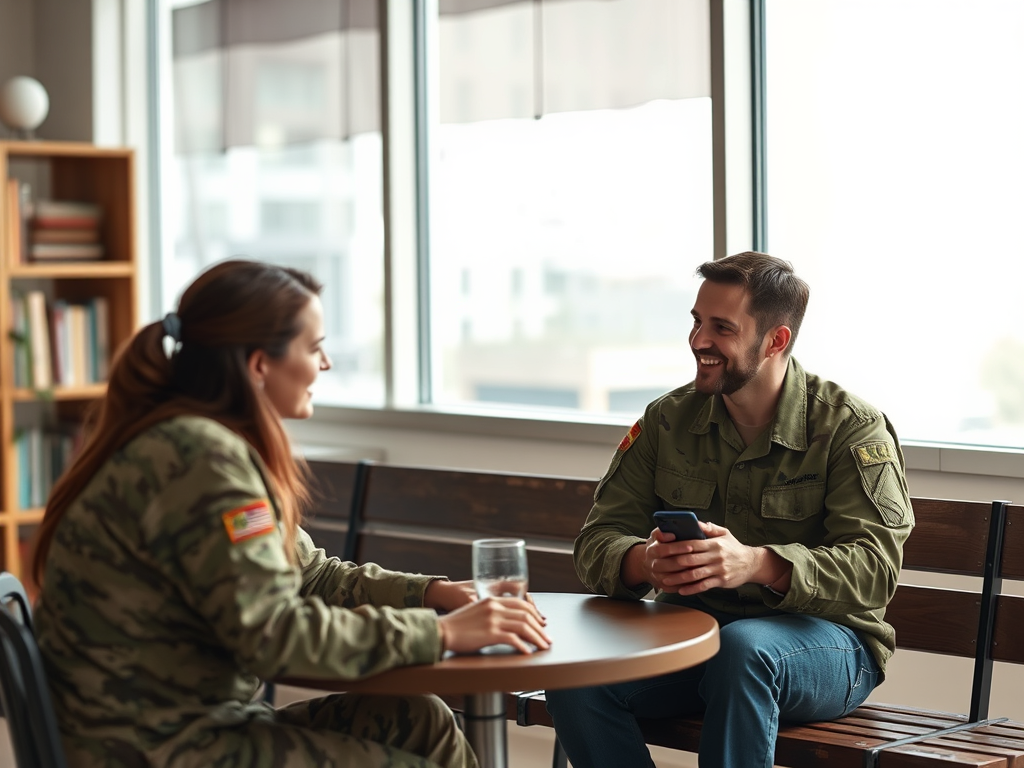
PTSD and Difficulty Making Friends After Military Service: A 4-Part Plan for Safer, Lasting Connections

PTSD and difficulty making friends after military service often develop when hypervigilance, mistrust, emotional numbness, and discomfort with unfamiliar social settings make ordinary conversations feel unsafe or exhausting. A practical response is to begin with predictable, low-pressure contact, choose people who respect clear boundaries, and increase social time gradually rather than forcing crowded gatherings.
PTSD Support

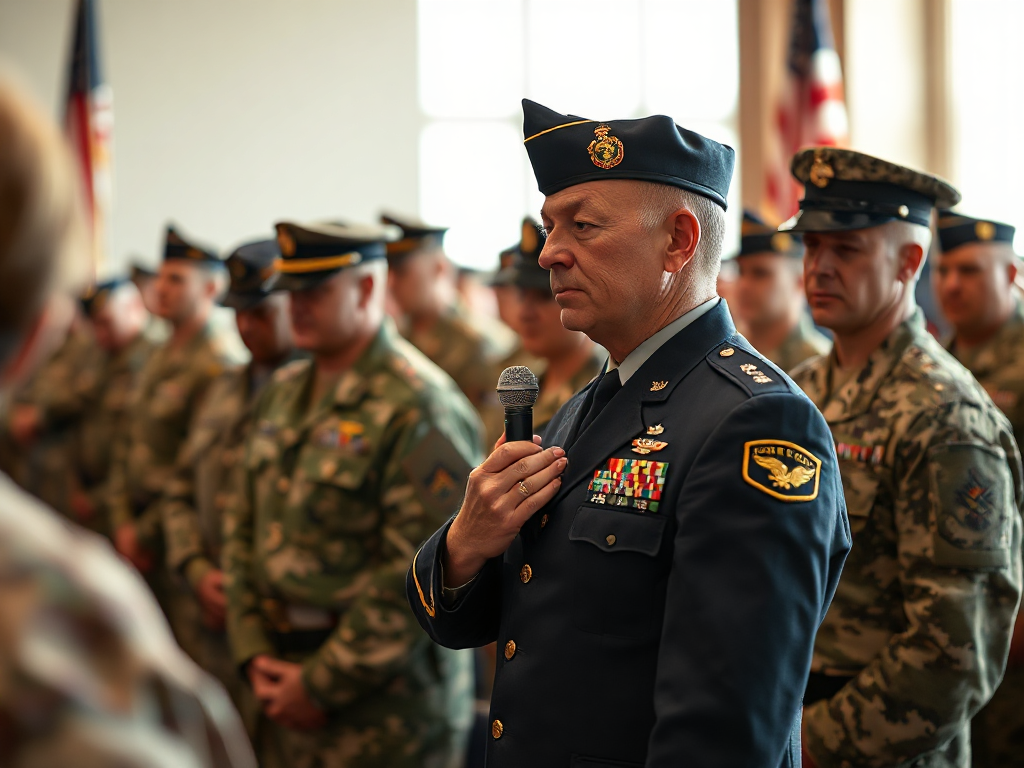
Why Retirement Ceremonies Can Trigger Unexpected PTSD Reactions: Triggers, Timing, and Coping Plans

Retirement ceremonies can trigger unexpected PTSD reactions because public recognition, uniforms, military music, formal commands, crowded rooms, and memories of service may activate the brain’s threat system or unresolved grief at the same time. The event can also remove familiar routines and expose feelings about identity, loss, guilt, or unfinished experiences.

PTSD Support

Why Retirement Can Intensify Previously Manageable PTSD Symptoms (Triggers, Timing, and Next Steps)

Retirement can intensify previously manageable PTSD symptoms because work often supplies structure, distraction, social contact, and a clear sense of purpose that quietly regulates stress. When those supports disappear, unprocessed memories may become more noticeable, sleep schedules can shift, and ordinary changes in identity or finances may increase threat sensitivity.

Veterans Ptsd

Veterans With PTSD Who Cannot Tolerate Group Treatment Settings: Individual Care Options That Work

Veterans with PTSD who cannot tolerate group treatment settings may do better with individual trauma therapy, a slower intake process, telehealth, or carefully structured one-to-one support that reduces crowding, exposure, and loss-of-control triggers. Group distress can stem from hypervigilance, shame, irritability, sensory overload, traumatic reminders, or fear that personal information will not remain private.

Ptsd Recovery

Why Nightmares Return After Stopping Alcohol Use: Sleep Recovery, Causes, and Safer Next Steps

Nightmares may return after stopping alcohol use because alcohol had been suppressing REM sleep, and the brain can temporarily rebound into longer, more vivid dream periods during early recovery. Withdrawal-related anxiety, fragmented sleep, stress, dehydration, medication changes, and memories that were previously less noticeable can intensify dream content.

Veterans Ptsd

Veteran PTSD and Fear of Losing Control Around Family: Warning Signs, Safety Steps, and Communication Methods

Veteran PTSD and fear of losing control around family often reflect a threat-response system activated by noise, conflict, crowding, sleep loss, or reminders of trauma—not proof that a person intends to harm loved ones. The practical priorities are recognizing early body signals, creating distance before escalation, agreeing on a calm…

PTSD Support

Why Certain Smells Trigger Combat Memories Years Later: Causes, Timing, and Grounding Steps

Certain smells trigger combat memories years later because the brain can link scent with intense danger, storing the odor alongside sensory details and survival responses rather than ordinary autobiographical context. Smoke, fuel, burning food, damp earth, blood, or cleaning chemicals may later activate that learned alarm network through involuntary recall.

Scroll to Top