
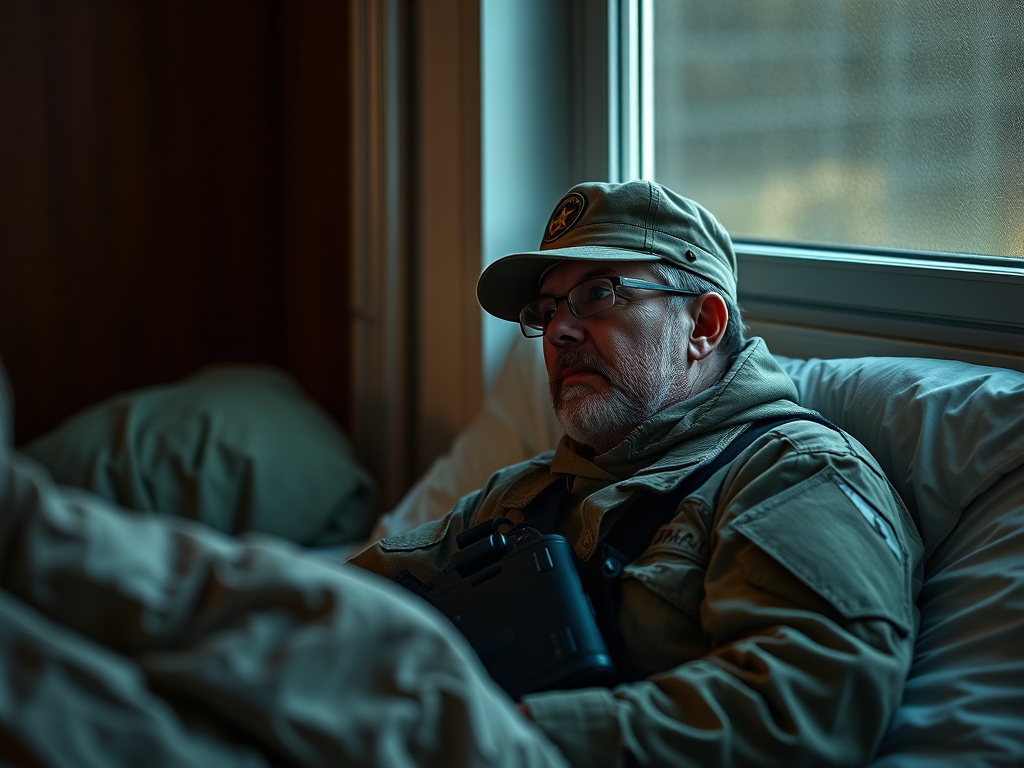
When a veteran’s safety plan fails during sudden nighttime awakening, the priority is to reduce immediate danger, orient to the present, and contact a trusted person or emergency service if safety cannot be restored. Darkness, disorientation, trauma-related body memories, medication effects, sleep deprivation, and access to weapons or other hazards can overwhelm a plan that works during daylight. Use a low-stimulation sequence: pause before moving, turn on a soft light, name the date and location, create distance from hazards, and follow a prewritten call list. A failed plan is not a personal failure; it is evidence that the nighttime version needs simpler steps, safer surroundings, and professional review.
What a Nighttime Safety Plan Failure Can Mean
A safety plan that fails during a sudden nighttime awakening may be encountering conditions it was never designed to handle. A person who can calmly identify warning signs at noon may wake from a vivid dream with a racing heart, narrowed attention, muscle tension, or a strong sense that danger is present. The brain may need time to distinguish a dream image, a familiar bedroom, and an actual threat.
Failure can take several forms. The veteran may forget the plan, skip steps, reach for a phone but be unable to decide whom to call, leave the room impulsively, or move toward an object that could increase danger. Some people remain frozen rather than agitated. Others become verbally defensive when a partner tries to help. None of these reactions proves intent to harm, but each signals that the written plan may be too complex, poorly placed, or mismatched to the awakening pattern.
Separate a trauma response from an active emergency without minimizing either. A rapid heartbeat and sweating can occur with a nightmare, but chest pain, severe breathing difficulty, fainting, new neurological symptoms, suspected overdose, or an injury calls for urgent medical attention. A firearm, medication supply, vehicle keys, or other hazard also changes the risk calculation. The relevant question is not whether the episode “should” be manageable; it is whether the person can make safe decisions right now.
Consider a veteran who wakes convinced someone is moving outside the home. Reaching for a weapon may feel protective, yet it can create serious risk when perception is still distorted. A safer plan might require turning on a light, keeping hands away from weapons, moving to a preselected low-risk area, and calling a named support person. That comparison matters: a plan should reduce decisions during impaired orientation, not depend on perfect self-control.
Use when a veteran’s safety plan fails during sudden nighttime awakening as a prompt for review, not as a label of failure or weakness. Record what happened, what step broke down, and what environmental factor was present. Those details give a clinician or trusted support person something more useful than a general statement that sleep was difficult.
Immediate Actions After Waking in Panic or Confusion
The first move should be physical safety and orientation, not investigation. Pause before standing or checking windows, doors, or equipment. Turn on a bedside light that is easy to reach, place both feet on the floor if steady, and say aloud the current location, date, and immediate facts: “I am in my bedroom; I woke from sleep; I am checking for safety.” Simple sensory information can interrupt the carryover from a dream without requiring an argument about whether the fear is reasonable.
Create distance from hazards before attempting to solve the perceived threat. If a weapon is accessible, do not handle it while confused, panicked, or unsure what is real. If safe to do so, move toward a predetermined area away from weapons, alcohol, medication containers, stairs, and vehicle keys. A partner should avoid sudden touching, blocking an exit, shouting, or standing directly over the awakened person. A calm voice and visible hands may be less provocative than repeated questions.
A compact sequence can be posted where it can be read in low light:
- Pause, breathe out slowly, and turn on the light.
- Name the room, date, and one trusted person who can help.
- Keep away from weapons and other hazards.
- Call or text the designated contact using the exact saved number.
- Call emergency services if there is immediate danger, an injury, a medical crisis, or no reliable way to stay safe.
Breathing should support orientation rather than become a test that must be performed perfectly. A longer, comfortable exhale may reduce escalation for some people; forcing deep breaths can worsen distress for others. Sitting in a stable chair, drinking water, or holding a cool object may help reconnect with the present, but these are not substitutes for emergency assistance when risk is rising.
Imagine a partner waking to loud movement and hearing the veteran say that an intruder is present. The partner’s job is not to prove the belief false from across the room. The safer approach is to create space, use a brief agreed phrase, move away from hazards, and call for help if the veteran cannot orient or lower the risk. If the episode includes threats, weapon access, violence, or inability to respond safely, leave if possible and contact emergency services. Guidance on nighttime safety planning after an unexpected awakening should always account for the safety of everyone nearby.
Why Daytime Plans Break Down at Night
Nighttime removes several supports that make coping easier. The person is sleep-inert, the room is dark, familiar sounds may be misread, and a dream can supply a convincing threat narrative before full awareness returns. Sleep loss can also reduce attention and impulse control. Trauma reminders may arise from body position, heat, a noise, an anniversary, pain, alcohol, or an irregular sleep schedule, but the trigger is not always obvious.
A plan can also fail because it contains too many words. A multi-page worksheet may be useful in therapy and unusable at 2 a.m. when reading comprehension is poor. “Use coping skills” is not an operational instruction. “Turn on the lamp, sit in the chair, call Sam” is easier to execute. The tradeoff is that a short plan cannot cover every possibility, so it should identify the first safe actions and the threshold for outside help rather than attempt to predict every detail.
Medication and substance factors deserve careful review without assuming a cause. A new prescription, dose change, missed dose, alcohol use, cannabis, stimulants, or over-the-counter sleep product may coincide with vivid dreams, confusion, or unusual awakenings. Do not stop or change prescribed medication independently. Instead, document timing and discuss the pattern with the prescriber. Pain, breathing problems during sleep, reflux, urinary symptoms, and other medical issues can fragment sleep and intensify distress, so a mental-health explanation should not automatically close the medical investigation.
Environmental design is another pressure point. A phone that is uncharged, a contact list buried in a locked device, a hallway filled with obstacles, or a bright alarm that causes further disorientation can defeat a sound plan. Compare a theoretical plan—“leave the house if danger appears”—with a tested plan that identifies the safest route, transportation limits, weather concerns, and where the person can wait. The second plan exposes practical risks that the first ignores.
After an episode, note the approximate time, dream or sensation if remembered, physical symptoms, substances or medication timing, access to hazards, and what reduced or increased agitation. Avoid turning the record into self-criticism. Its purpose is pattern recognition. Repeated awakenings at a similar time, escalating confusion, injury, or increasing reliance on emergency responses should be discussed promptly with a qualified clinician.
Rebuilding a Plan That Works Under Sleep Disruption
Rebuild the plan around the first thirty seconds rather than the entire night. The nighttime version should fit on one card or a phone lock-screen note, use large text, and name actions in sequence. Include a primary contact, backup contact, emergency instructions, and a clear statement about avoiding weapons or other hazards while disoriented. The plan should be practiced during the day when calm, but practice should not be mistaken for proof that an episode will never overwhelm it.
Use a layered design. Layer one handles orientation and distance from danger. Layer two adds a trusted person who knows what language to use and what actions to avoid. Layer three identifies professional or emergency help when the first two layers are insufficient. A veteran who lives alone may need a different arrangement from someone sharing a home; the plan could involve a check-in agreement, a nearby support person, or a clinician-approved crisis option. Privacy and independence matter, but they should be weighed against the consequences of being unable to summon help.
Test the setup for usability. Can the light be reached without crossing the room? Is the phone charged? Does the contact answer at night? Can the person read the instructions without glasses? Is the route free of cords and clutter? Are firearms, medications, and keys stored in a way that reduces impulsive access while respecting applicable laws and household agreements? These questions are more valuable than adding another coping technique to an already crowded list.
Use a rehearsal that does not recreate trauma. A person can sit on the bed in daylight, turn on the lamp, read the card, and place a practice call. A partner can rehearse standing to the side and speaking the agreed phrase. Stop if the exercise causes marked distress, and involve a clinician for more complex preparation. The common mistake is to stage an alarming surprise as a “test”; that can increase fear and damage trust.
Review the plan after every failure, near miss, or major change in sleep, medication, household arrangement, or access to hazards. Keep what worked and remove steps that were ignored. A revised nighttime safety plan should make the safest action the easiest action, while leaving room for professional judgment when symptoms do not fit the established pattern.
When Outside Help Is Needed
Professional help is warranted when nighttime awakenings are frequent, worsening, associated with injury or aggression, or followed by persistent fear and sleep avoidance. A primary-care clinician can assess medical and medication contributors, while a mental-health professional can evaluate trauma symptoms, nightmares, dissociation, panic, and safety concerns. The useful goal is not simply to suppress one episode; it is to understand the pattern and reduce the likelihood that confusion will become dangerous.
Emergency assistance is appropriate when there is immediate danger to the veteran or another person, a weapon is being handled or threatened, severe confusion does not settle, there has been an overdose or serious injury, or the person cannot commit to staying away from hazards. In the United States, calling 911 is appropriate for an immediate emergency. The 988 Suicide & Crisis Lifeline may provide crisis support, but it does not replace emergency services when rapid physical intervention is needed. If location or country differs, use the local emergency number.
Support people should prepare their own boundary. They can offer calm orientation and call for help, but they should not physically restrain someone, take a weapon by force, or remain in a room that has become unsafe. Children and other vulnerable household members need a separate exit and communication plan. A calm episode and a dangerous episode should not be treated identically; the response must match observable risk, not an assumption that every awakening is “just a nightmare.”
Bring specific information to an appointment: frequency, approximate timing, recalled content, injuries, sleep duration, snoring or breathing changes, medication and substance timing, and the exact point where the safety plan failed. Ask whether the plan should be revised, whether a sleep or medical evaluation is appropriate, and how household members should respond. Avoid changing prescriptions, adding sedating products, or combining substances in an attempt to force sleep without medical advice.
Frequently Asked Questions
What should happen first after a veteran wakes in panic?
Pause, turn on a light, orient to the room and date, and move away from weapons or other hazards before investigating the perceived threat.
Should a partner touch someone who wakes from a trauma-related nightmare?
Not automatically. Sudden touch can increase alarm; use a calm voice, visible hands, agreed words, and physical space unless immediate rescue is required.
When is a nighttime awakening an emergency?
Seek emergency help for immediate threats, weapon handling, serious injury, overdose, severe medical symptoms, or confusion that prevents safe decisions.
Can medication cause a safety plan to fail at night?
Medication changes or interactions may coincide with vivid dreams, sedation, or confusion, but the cause should be assessed by a prescriber rather than assumed or self-treated.
How can the safety plan be made easier to follow?
Use a short, large-print sequence with a reachable light, a charged phone, named contacts, hazard-distance instructions, and clear emergency thresholds.
Conclusion
A failed nighttime safety plan is information about the situation, not proof that the veteran lacks discipline or that recovery has been undone. The immediate priorities are orientation, distance from weapons and other hazards, calm communication, and a timely decision about professional or emergency help. Afterward, examine the exact breakdown: unreadable instructions, poor lighting, sleep deprivation, medication timing, medical symptoms, an unreliable contact, or a trigger that was not anticipated. Replace complicated directions with a short sequence that can be followed while half-awake, rehearse it without creating a frightening surprise, and review it with a clinician when episodes recur or intensify. Household members should have their own exit and boundary plan. Safety improves when the environment and response sequence carry more of the burden than memory during a confused awakening.