
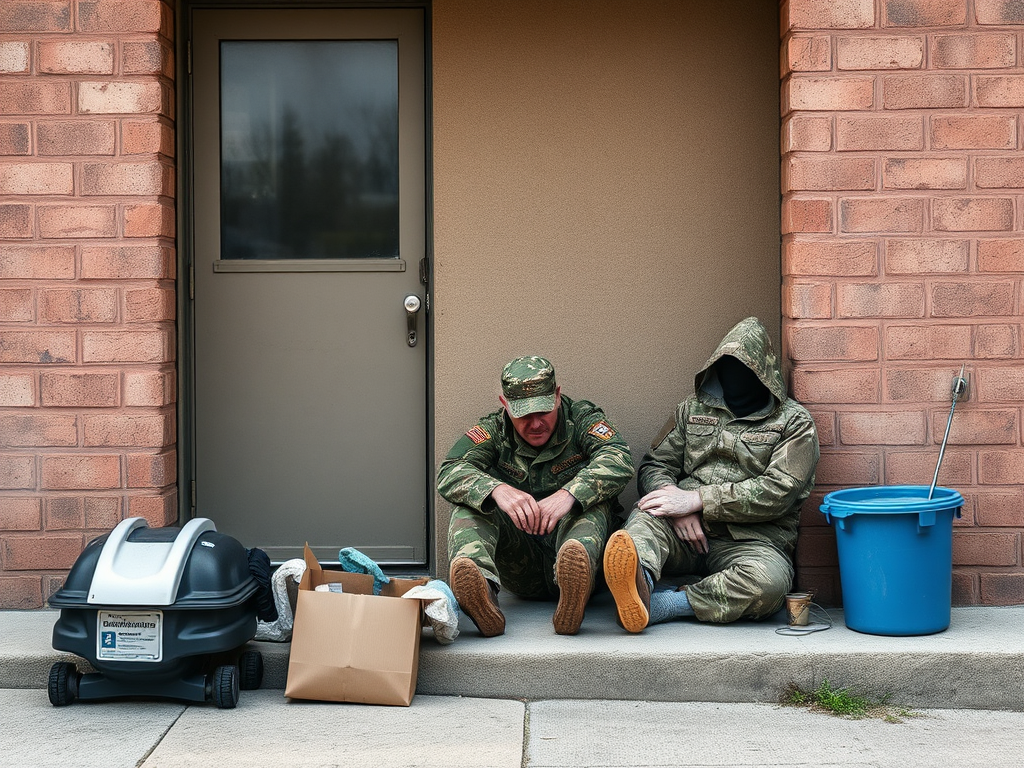
PTSD and homelessness risk after loss of military routine often rise together when predictable duties, income, social contact, and command structure disappear while trauma symptoms disrupt sleep, trust, work, and help-seeking. The transition can become hazardous when missed appointments, substance use, isolation, untreated pain, or an unaffordable housing gap compound one another. Early protection means identifying the first destabilizing change, linking the person with trauma-informed clinical care and veteran housing services, and creating a practical plan for income, transportation, medication, and crisis contacts. A common mistake is treating homelessness as a budgeting problem alone; PTSD symptoms and loss of daily structure may need attention at the same time.
How Military Routine Loss Can Increase Housing Instability
Loss of military routine can remove several forms of stability at once: scheduled activity, reliable pay, familiar peers, defined responsibilities, and immediate access to organized services. For a person living with PTSD, that change may expose symptoms that were partly contained by a demanding daily structure. Sleep disruption can make employment harder, irritability can damage relationships, and avoidance can lead to missed medical, benefits, or housing appointments.
The mechanism is usually cumulative rather than a single event. A former service member may leave a structured setting, sleep poorly, stop exercising, withdraw from friends, and struggle to translate military experience into civilian work. A missed rent payment then creates a notice, the notice increases fear, and fear makes paperwork or phone calls even less manageable. The risk is higher when separation also involves divorce, chronic pain, discharge-related stress, unemployment, or limited transportation.
Routine loss does not make homelessness inevitable, and homelessness does not prove that a person has PTSD. Those assumptions can delay useful help. Some people adapt through family support or a new job; others need a gradual replacement for the structure they lost. A civilian schedule with fixed wake times, appointments, meals, exercise, and peer contact may be more useful than an unrealistic demand to recreate military life exactly.
Practical planning should therefore examine both housing and functioning. Ask whether the person can reliably sleep, open mail, manage medication, travel to appointments, maintain work attendance, and communicate with a landlord. A stable room may still be fragile if untreated nightmares, alcohol use, or conflict repeatedly undermine it. Conversely, a temporary housing arrangement may provide a workable bridge if it includes privacy, transportation, and access to care.
Warning Signs That a Housing Crisis Is Developing
Early warning signs often appear before an eviction or shelter stay. They include unopened bills, repeated missed shifts, sudden withdrawal from trusted people, sleeping in a vehicle, borrowing money for basic expenses, or moving between friends’ homes. PTSD-specific changes may include intensified nightmares, hypervigilance, anger, emotional numbing, avoidance of public places, and increased use of alcohol or drugs to sleep or calm down.
A useful assessment separates immediate danger from emerging instability. Someone facing an eviction date, utility shutoff, or unsafe sleeping arrangement needs urgent housing navigation. Someone who still has a lease but has stopped attending work and care appointments needs a prevention plan. Treating both situations as routine counseling can miss a short window in which rental assistance, mediation, benefits help, or a temporary stay could prevent displacement.
Consider a former service member who has been sleeping poorly and missing work after moving away from a base community. The first visible problem may be unpaid rent, but the pressure point may be a combination of nightmares, isolation, and difficulty using unfamiliar online systems. A housing referral alone may fail if the person cannot complete forms or attend an intake appointment. A trusted support person, transportation plan, and shorter appointment steps may be necessary.
Watch for changes that indicate a plan is failing: repeated no-shows, escalating substance use, threats from others, unsafe weapons access, or statements about having no reason to continue. Immediate danger, suicidal thoughts, overdose concerns, or violence require emergency assistance. In the United States, call or text 988 for the Suicide & Crisis Lifeline; veterans can press 1. Call emergency services when there is an immediate threat to life or safety.
- Housing signal: eviction notices, couch surfing, vehicle sleeping, or utility disconnection.
- Functioning signal: missed work, forgotten appointments, unopened mail, or inability to complete benefits tasks.
- PTSD signal: worsening sleep, avoidance, panic, anger, numbness, or trauma-related substance use.
Building a Housing Stability Plan After Separation
A workable plan replaces vague intentions with named actions, dates, and backup options. Begin with the next seven days rather than a permanent life plan. Confirm where the person will sleep, how food and medication will be obtained, which bills are due, and who can be contacted if symptoms worsen. Short horizons reduce the cognitive load created by sleep deprivation and acute stress.
The plan should contain four linked tracks: housing, income, health, and routine. Housing may involve a landlord conversation, a veteran homelessness program, family accommodation, or transitional housing. Income may require unemployment assistance, disability-related benefits screening, employment counseling, or help replacing documents. Health planning should cover PTSD treatment, primary care, pain, substance use, and medication access. Routine planning should identify fixed anchors such as a morning call, therapy appointment, meal, walk, or peer meeting.
Choose the least complicated option that is safe and realistic. A highly regimented schedule may feel familiar to one person but oppressive to another. A long list of appointments can look comprehensive while becoming impossible to follow. Compare a plan with three dependable commitments against one with ten referrals: the smaller plan is often more useful initially if it includes a housing contact and a clinical connection.
A compact checklist can keep the response operational:
- Verify tonight’s safe sleeping location and the next housing deadline.
- Gather identification, lease papers, discharge documents, medication details, and benefit correspondence.
- Assign one person or service to coordinate calls and appointment reminders.
- Set a repeatable daily anchor for waking, food, medication, and contact with another person.
- Review the plan within a few days and change any step that was missed or unsafe.
Use PTSD and homelessness risk after loss of military routine as a planning topic rather than a label. The goal is not perfect discipline; it is enough predictability to make treatment, income, and housing tasks possible.
Connecting PTSD Care With Practical Veteran Services
Trauma care and housing assistance should be coordinated, not placed in separate lanes. PTSD symptoms can interfere with forms, trust, transportation, and appointments, while housing insecurity can make therapy difficult because the person is focused on safety, storage, food, or sleep. A clinician who knows about the housing problem can adjust expectations and help identify barriers without assuming that missed appointments reflect unwillingness.
Veteran-focused services may include VA health care, social work, homeless programs, community mental-health providers, peer support, legal aid, employment services, and local crisis teams. Eligibility, availability, and wait times vary, so a referral is not the same as access. Ask what happens next, who makes the call, what documents are needed, whether transportation is available, and what alternative exists if the first service cannot respond quickly.
For example, a person may accept counseling but decline a shelter because communal sleeping conditions intensify hypervigilance. That preference should not end the search. A navigator can ask about smaller transitional settings, rental assistance, family mediation, or a hotel-based emergency option where available. The tradeoff may be distance from familiar care, stricter rules, or limited privacy; those costs should be discussed honestly rather than hidden behind a generic referral.
Medication changes, withdrawal from alcohol or other substances, and severe insomnia require qualified medical guidance. Do not advise abruptly stopping prescribed medication or self-managing withdrawal. Evidence-based PTSD treatment can help some people, but treatment selection depends on symptoms, safety, health history, readiness, and access. A housing plan should support care without promising that therapy alone will resolve rent arrears or homelessness.
Service members and veterans may also benefit from the page on PTSD and homelessness risk after loss of military routine when preparing questions for a provider, case manager, or trusted relative. Specific questions produce better coordination than a broad request to “fix everything.”
What to Do When Housing Is Already at Risk
Once a notice, displacement, or unsafe sleeping arrangement has occurred, prioritize safety and contact with a housing specialist. Keep copies of notices and record landlord, shelter, clinic, and benefits contacts. If a person is in a vehicle or outside, identify immediate access to water, food, medication, charging, and protection from weather before discussing longer-term goals.
Do not assume that avoiding a landlord or agency will preserve dignity. Silence can remove options such as payment arrangements, mediation, emergency assistance, or documentation of a disability-related barrier. A trusted advocate can sit with the person during calls, but should ask permission and preserve the person’s control over decisions. Support is more effective when it reduces administrative burden without taking over unnecessarily.
Compare emergency shelter, staying with relatives, transitional housing, and a rapid move into a rented room by asking which option is safe, available, affordable, and compatible with PTSD symptoms. A low-cost setting may be unsuitable if it prevents sleep or creates constant exposure to conflict. A farther-away option may work if transportation to treatment and employment is reliable. No single placement is best for every person.
Signs of progress include a verified place to sleep, fewer missed contacts, restored medication access, a documented income or benefits application, and one dependable daily connection. Signs that the response needs revision include repeated transfers between services, worsening intoxication, escalating threats, or a person becoming unreachable. Reassess quickly rather than interpreting failure as lack of motivation. Housing stability is often built through several modest repairs, not one decisive referral.
Frequently Asked Questions
Can losing military routine cause homelessness?
It can contribute to risk by disrupting income, sleep, relationships, daily functioning, and access to familiar support. It is one factor among many, not a guarantee of homelessness.
What should happen first if rent is overdue?
Confirm the housing deadline, preserve all notices, contact the landlord or housing advocate, and seek veteran homelessness services promptly. Waiting for symptoms to improve may close available options.
Can a strict schedule help PTSD after military separation?
A predictable schedule may reduce disorganization and support appointments, sleep, and meals, but it should be adjustable. A small number of dependable anchors is often more realistic than an exhausting timetable.
Should housing services and PTSD treatment be coordinated?
Yes, with the person’s consent. Housing instability can obstruct treatment, while untreated symptoms can disrupt housing tasks, so coordinated case management may address both barriers.
What if someone refuses a shelter or therapy referral?
Ask what feels unsafe or impractical and offer choices rather than arguing. Continue addressing immediate safety, food, medication, and contact options while looking for a setting compatible with the person’s needs.
Conclusion
Housing risk after military separation deserves an early, combined response. Track practical changes such as missed rent, lost work, unopened mail, and couch surfing alongside nightmares, avoidance, anger, substance use, and isolation. The first priorities are a safe place to sleep, a reachable housing contact, access to medication and food, and a manageable daily rhythm. Veteran housing programs, VA care, crisis services, and community providers may each address part of the problem, but referrals should include clear next actions and backup options. If the current plan repeatedly fails, reduce its complexity and reassess safety rather than blaming the person. Prompt coordination can protect housing while making PTSD care more attainable.