
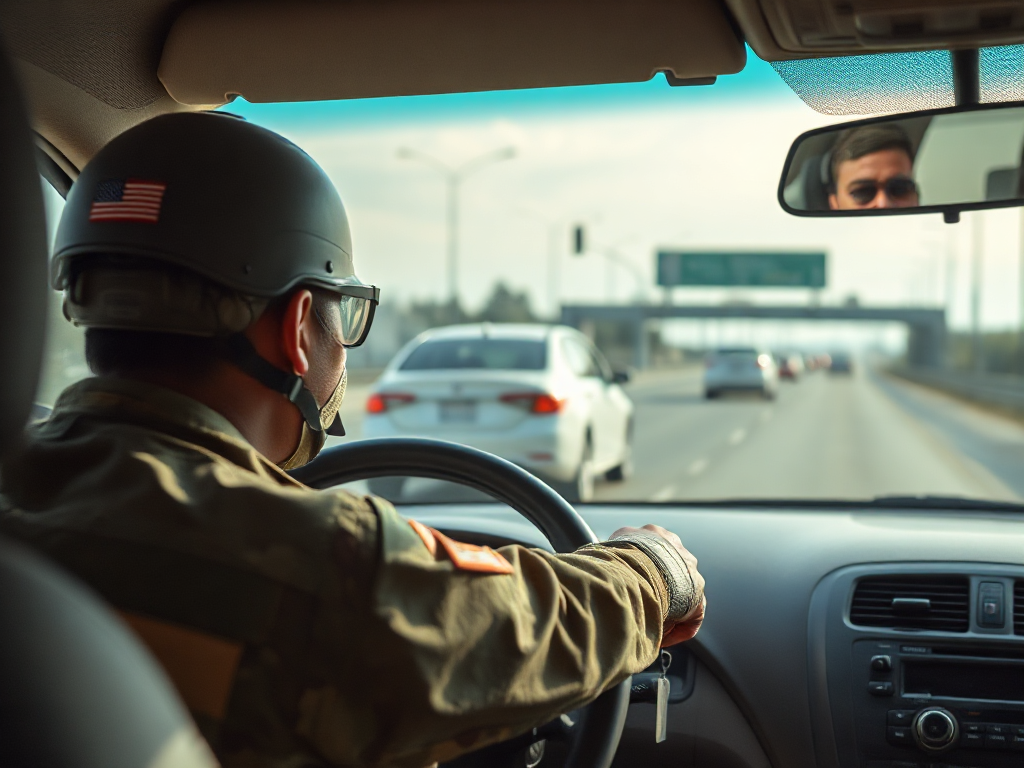
PTSD and driving after an improvised explosive device attack can make ordinary traffic feel like a renewed threat because engine noise, road debris, sudden braking, bridges, or roadside objects may activate danger memories and body alarms. Safer return-to-driving plans usually combine clinical assessment, gradual exposure, grounding practice, vehicle and route adjustments, and a clear stop rule when concentration deteriorates. Avoiding every vehicle indefinitely may preserve fear, while forcing long or crowded drives can intensify symptoms and create collision risk. A trauma-informed clinician, trusted driving partner, and individualized plan can help determine whether short practice trips, professional rehabilitation, or temporary transportation alternatives are appropriate.
How an IED Attack Can Change Driving Responses
An improvised explosive device attack can link driving with sudden threat, helplessness, injury, and responsibility for other people’s safety. Afterward, a person may react to traffic conditions that resemble the original setting, even when the current road is objectively ordinary. A roadside object, a loud truck, a pothole, dust, a bridge, or a vehicle following too closely can prompt a rapid surge of alertness.
PTSD symptoms may affect driving through several pathways. Intrusive memories can pull attention away from traffic. Hypervigilance can lead to repeated scanning of shoulders, parked vehicles, and intersections. Irritability or panic may produce abrupt lane changes, hard braking, or an urge to escape. Sleep disruption can add fatigue, slower judgment, and reduced tolerance for routine delays. These reactions are not proof that someone is incapable of driving, but they do indicate that driving ability should be judged by current concentration and control rather than by confidence alone.
A useful distinction is between discomfort and impairment. Feeling tense while passing a particular location may be manageable if the driver remains oriented, follows traffic rules, and can make deliberate decisions. Losing track of the route, experiencing a flashback as if the attack is happening again, freezing at an intersection, or becoming unable to control panic creates a different level of risk. The safest response is to pull over when feasible, rather than trying to prove endurance.
ptsd and driving after an improvised explosive device attack is therefore both a mental-health concern and a road-safety concern. The goal is not to erase every reminder before resuming mobility. It is to build enough stability, awareness, and support that practice does not become another frightening event.
Recognizing Triggers and Immediate Safety Risks
Driving triggers are often specific rather than universal. Some people react to an unexpected bang; others notice danger signals in road edges, military-style vehicles, construction equipment, tunnels, convoy-like traffic, or the approach to a familiar route. A trigger may be sensory, such as sound or smell, or situational, such as being unable to see beyond a crest. Recording the setting, body response, thought, and driving behavior can reveal patterns that are difficult to notice afterward.
For example, a driver may report that traffic is manageable until a car stops on the shoulder. The sight may produce a racing heart, narrowed attention, and repeated checking of mirrors. The problem is not simply fear of that one car; the brain may be treating an ambiguous roadside scene as a warning that another attack is imminent. Understanding that mechanism can guide practice toward roadside uncertainty rather than toward random miles driven.
Common warning signs that driving is becoming unsafe include:
- Momentary loss of awareness about traffic, signs, or the route.
- Visual or sensory experiences that make the past event feel present.
- Severe shaking, dizziness, breathlessness, or tunnel vision.
- Compulsive scanning that prevents watching the lane and mirrors normally.
- Anger, impulsive acceleration, tailgating, or sudden attempts to leave traffic.
A frequent mistake is treating all distress as a reason to abandon driving permanently. Another is dismissing symptoms as something to push through. Complete avoidance can keep the brain from learning that selected roads are safe, while forced exposure can reinforce the association between driving and catastrophe. The practical middle ground is to identify conditions under which attention remains reliable and to increase difficulty only when the previous level is repeatable without dangerous loss of control.
Building a Safer Return-to-Driving Plan
A return-to-driving plan should begin with an honest assessment of function, not a mileage target. A trauma-informed mental-health professional can help evaluate intrusive symptoms, panic, sleep, substance use, medication effects, and other conditions that may affect alertness. If physical injuries, concussion history, vision problems, or medication changes are involved, those issues also deserve review. Driving practice should wait when a person is sedated, severely sleep-deprived, dissociated, intoxicated, or unable to stay oriented.
Graduated practice generally works best when each step has a defined purpose and a clear exit. A possible sequence might move from sitting in a parked vehicle, to starting the engine, to driving in a quiet familiar area, then taking a short trip with a trusted passenger. Later stages might involve moderate traffic, a less familiar route, or a limited version of a known trigger. The exact order should reflect the person’s symptoms; a quiet road is not automatically easier if it passes the attack location.
Before each trip, decide the route, duration, passenger role, and stopping location. The passenger should not provide constant reassurance or monitor every movement, because that can become another safety ritual. A better role is to remain calm, help with navigation when agreed, and support a planned stop if concentration declines. Grounding methods should be practiced while parked first. Examples include naming visible objects, feeling both feet against the vehicle floor, slowly lengthening the exhale, and stating the date and current location.
Vehicle and route choices can reduce unnecessary load without becoming permanent avoidance. Daylight, predictable weather, a familiar vehicle, and roads with safe pull-off areas may be sensible early conditions. A person might choose a route that avoids the original scene at first, then later discuss whether approaching that route is an appropriate therapeutic goal. Technology can help with navigation, but constant map checking, scanning roadside images, or listening for every unusual sound may increase vigilance rather than reduce it.
Signs that practice is progressing include returning attention to traffic after a trigger, using a coping skill without abandoning control, and recovering more quickly after a brief surge of fear. Signs that the step is too difficult include escalating panic across trips, more reckless behavior, prolonged dissociation, or worsening sleep and avoidance afterward. Adjusting the plan is not failure; it prevents an exercise from becoming overwhelming.
Treatment, Support, and Practical Alternatives
Driving problems after an attack often improve more reliably when the underlying trauma response is addressed directly. Evidence-based PTSD care may include trauma-focused psychotherapy, and a qualified clinician can discuss which approach fits the person’s symptoms, preferences, medical history, and readiness. Therapy may address intrusive memories, avoidance, beliefs about danger, guilt, anger, and the physical alarm response that appears behind the wheel. Driving practice can be coordinated with treatment rather than treated as a separate test of willpower.
Medication decisions require individual medical review. A medicine that reduces anxiety for one person may cause drowsiness, slowed reaction, or impaired judgment for another. Starting, stopping, or changing a prescription before driving is a poor experiment. The same caution applies to alcohol, cannabis, sleep aids, and nonprescription products that can affect alertness. A person who feels calmer but reacts more slowly may not be safer on the road.
Support from family or peers is most useful when it protects autonomy without minimizing danger. “You are safe now” may not be enough during a flashback, while repeated demands to drive can increase shame. Specific support sounds different: agreeing on a short route, arranging a ride after a difficult appointment, or asking what the passenger should do if symptoms rise. A driving rehabilitation specialist may be appropriate when trauma symptoms overlap with physical, sensory, or cognitive limitations.
Temporary transportation alternatives are legitimate risk management, not evidence of permanent incapacity. Public transportation, rides from trusted people, workplace adjustments, or scheduled services can preserve access to care and employment while treatment proceeds. The tradeoff is that total dependence can increase isolation, so alternatives should be reviewed periodically alongside functional progress. The priority is maintaining necessary activities without placing the driver, passengers, or other road users in avoidable danger.
Readers looking for related information can review ptsd and driving after an improvised explosive device attack alongside resources on trauma triggers during daily activities. The useful question is not whether anxiety exists, but whether the person can notice it early and still make safe, deliberate driving decisions.
When Driving Should Pause
Driving should pause when PTSD symptoms interfere with basic vehicle control, attention, orientation, or judgment. A person who cannot reliably remember portions of a trip, experiences repeated flashbacks, becomes confused about present surroundings, or feels compelled to flee traffic needs a safer transportation arrangement and prompt professional support. Someone who has thoughts of harming themselves or others should seek urgent help and should not drive to manage the crisis alone.
A pause does not need to be open-ended. Write down what occurred, what preceded it, how long recovery took, and what support was available. That information helps a clinician distinguish a manageable trigger from a pattern requiring a lower practice level or broader treatment. Medical review is especially important after a new medication, a head injury, severe insomnia, or increased alcohol or drug use.
Friends and relatives should avoid grabbing the wheel, arguing about whether the threat is real, or forcing an immediate explanation while the person is overwhelmed. If the vehicle can be stopped safely, reduce stimulation, use brief concrete language, and allow time for orientation. Emergency services may be appropriate when there is immediate danger, a medical emergency, or inability to maintain safety.
The central decision is functional: can the driver remain present, follow road demands, and respond proportionately when a reminder appears? If not, arranging another ride is the responsible choice. Reassessment after stabilization can identify whether a shorter route, clinician-supported exposure, vehicle adaptation, or a longer break is the most suitable next move.
Frequently Asked Questions
Can PTSD make driving feel dangerous even on a safe road?
Yes. Sensory reminders can activate the brain’s threat response even when no current danger exists. The effect may include panic, scanning, intrusive memories, or narrowed attention.
Should someone avoid driving completely after an IED attack?
A temporary pause may be appropriate when symptoms impair attention or control. Long-term total avoidance should be discussed with a clinician because it may preserve fear and reduce independence.
What should a first practice drive look like?
Choose a short, familiar route with low traffic, daylight, safe stopping options, and a trusted passenger if useful. Define the stopping plan before starting and do not practice while impaired or severely sleep-deprived.
Can a passenger help during a PTSD reaction?
A calm passenger can follow an agreed plan, provide simple orientation, and support a safe stop. Constant reassurance, criticism, or unexpected physical intervention may increase distress.
When is professional help especially important?
Seek professional assessment when flashbacks, dissociation, panic, medication effects, substance use, sleep loss, or reckless driving interfere with safe vehicle operation. Immediate danger requires urgent assistance.
Conclusion
Driving after an improvised explosive device attack should be treated as a functional safety decision, not a test of courage. Identify the sounds, sights, routes, and body reactions that disrupt attention, then use that information to shape gradual practice with clinical support when needed. Short trips, predictable conditions, grounding skills, and a prearranged stopping plan may provide a safer starting point than either total avoidance or forced exposure. Review medication and substance effects before getting behind the wheel, and pause driving when flashbacks, disorientation, severe panic, or reckless impulses appear. A qualified PTSD clinician or driving rehabilitation professional can help match the plan to current symptoms, injuries, and daily obligations while transportation alternatives preserve access to essential activities.