
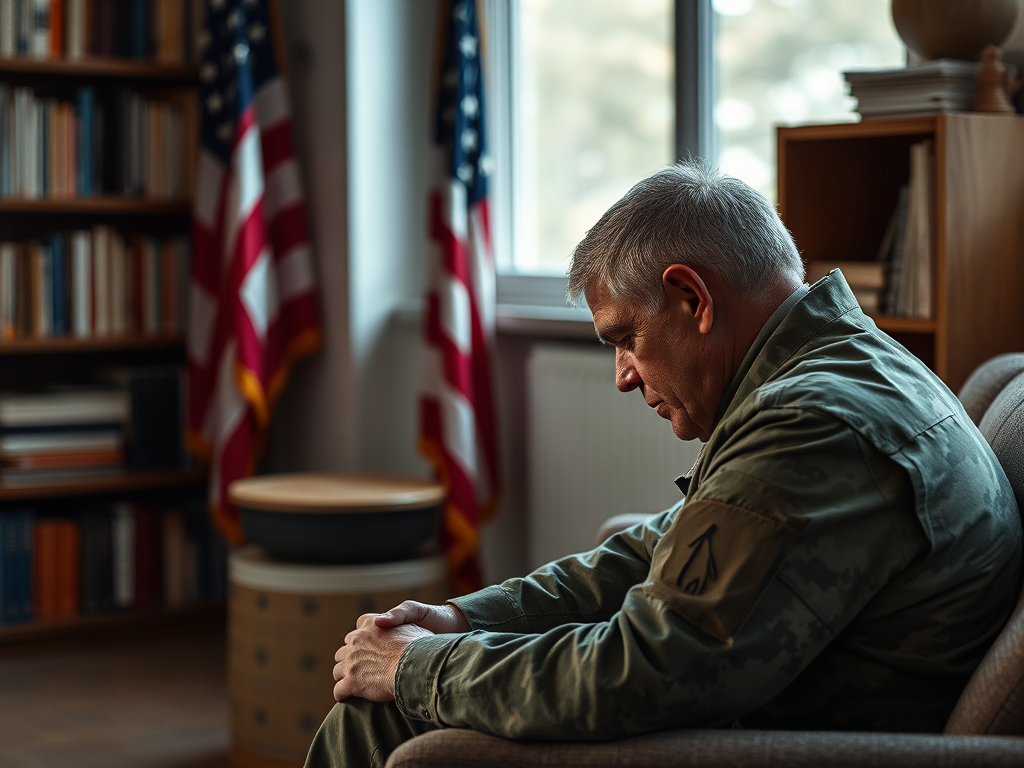
Recognizing signs of PTSD in veterans is essential for providing timely support and intervention. Key symptoms include intrusive memories, emotional detachment, and heightened anxiety, which can significantly disrupt daily life. Veterans may also exhibit avoidance behaviors, steering clear of reminders of their trauma, and may struggle with hyperarousal, leading to irritability and sleep disturbances. It is crucial for family and friends to be aware of these signs, as early recognition can facilitate access to professional help and effective coping strategies, ultimately improving the veteran's quality of life. Encouraging open conversations about mental health can help reduce stigma and promote healing.
Understanding PTSD in Veterans
Post-Traumatic Stress Disorder (PTSD) is a mental health condition that can occur after experiencing or witnessing a traumatic event, particularly common among veterans. This disorder can severely impact a veteran’s ability to function in everyday life. Understanding the nature of PTSD is essential for recognizing its signs early. PTSD can manifest in various ways, affecting emotional regulation, cognition, and interpersonal relationships. The complexities of this condition mean that symptoms can sometimes be mistaken for other issues, leading to misdiagnosis or lack of treatment.
Veterans often face unique challenges in recognizing PTSD due to societal stigma and personal beliefs about vulnerability. Many may feel pressure to appear strong or self-reliant, which can delay their acknowledgment of symptoms. Recognizing the signs of PTSD early is crucial, as it allows for timely intervention, which can significantly improve mental health outcomes.
Common Symptoms of PTSD
Identifying the symptoms of PTSD in veterans is critical for effective support. Common signs include intrusive thoughts about the traumatic event, nightmares, and flashbacks. These experiences can be distressing, leading to avoidance behaviors where veterans may steer clear of reminders of the trauma. Emotional numbness is another common symptom, where veterans may feel disconnected from their emotions or struggle to engage with loved ones.
Hyperarousal, characterized by heightened anxiety, irritability, or exaggerated startle responses, is also prevalent. This state can lead to difficulties in concentration and sleeping, further exacerbating the challenges veterans face. Each symptom can manifest differently, and their intensity may vary based on the individual’s experiences and coping mechanisms. Understanding these symptoms helps families and friends provide the necessary support.
Behavioral Changes to Watch For
Behavioral changes can be significant indicators of PTSD in veterans. Many may exhibit increased social withdrawal, losing interest in activities they once enjoyed. This disconnection can extend to relationships, where veterans may isolate themselves from family and friends, leading to feelings of loneliness and misunderstandings.
Substance abuse is another concern, as some veterans may turn to alcohol or drugs as a coping mechanism to manage their symptoms. This behavior can complicate the healing process and lead to further health issues, creating a cycle that is hard to break. Other behavioral signs may include sudden anger outbursts, impulsivity, or difficulty in managing stress. Recognizing these changes is vital for offering appropriate support and encouraging veterans to seek professional help.
Support Strategies for Veterans
Providing effective support for veterans with PTSD requires understanding and practical strategies. Encouraging open communication about their feelings and experiences can help build trust and facilitate healing. Creating a safe environment where veterans feel comfortable expressing themselves without judgment is essential.
Professional help, such as therapy or counseling, can also be beneficial. Cognitive Behavioral Therapy (CBT) and Eye Movement Desensitization and Reprocessing (EMDR) are recognized methods that have helped many veterans manage their symptoms. Additionally, peer support groups can provide a sense of community and shared understanding, making veterans feel less isolated in their experiences.
Family members and friends can play a crucial role in supporting veterans by being patient, understanding, and encouraging their loved ones to seek help. It’s important for caregivers to educate themselves about PTSD to provide informed support. Recognizing the signs and symptoms of PTSD in veterans is the first step in fostering an environment conducive to healing.
Frequently Asked Questions
What are the primary symptoms of PTSD in veterans?
The primary symptoms include intrusive memories, emotional numbness, hypervigilance, and avoidance of trauma reminders.
How can family members support veterans with PTSD?
Family members can support veterans by fostering open communication, encouraging professional help, and creating a safe environment.
What is the role of therapy in treating PTSD?
Therapy, particularly CBT and EMDR, helps veterans process trauma and develop coping strategies, significantly aiding recovery.
Are there any common misconceptions about PTSD in veterans?
One common misconception is that PTSD only affects those who have experienced combat, but it can result from various traumatic events.
What should I do if I suspect a veteran has PTSD?
If you suspect a veteran has PTSD, encourage them to seek help from a mental health professional and offer your support.
Conclusion
Recognizing signs of PTSD in veterans is essential for facilitating timely intervention and support. Understanding the symptoms, behavioral changes, and effective support strategies can lead to better mental health outcomes. Encouraging open dialogue and professional help is crucial in helping veterans navigate their experiences. By fostering a supportive environment, we can help veterans reclaim their lives and find pathways to healing.