
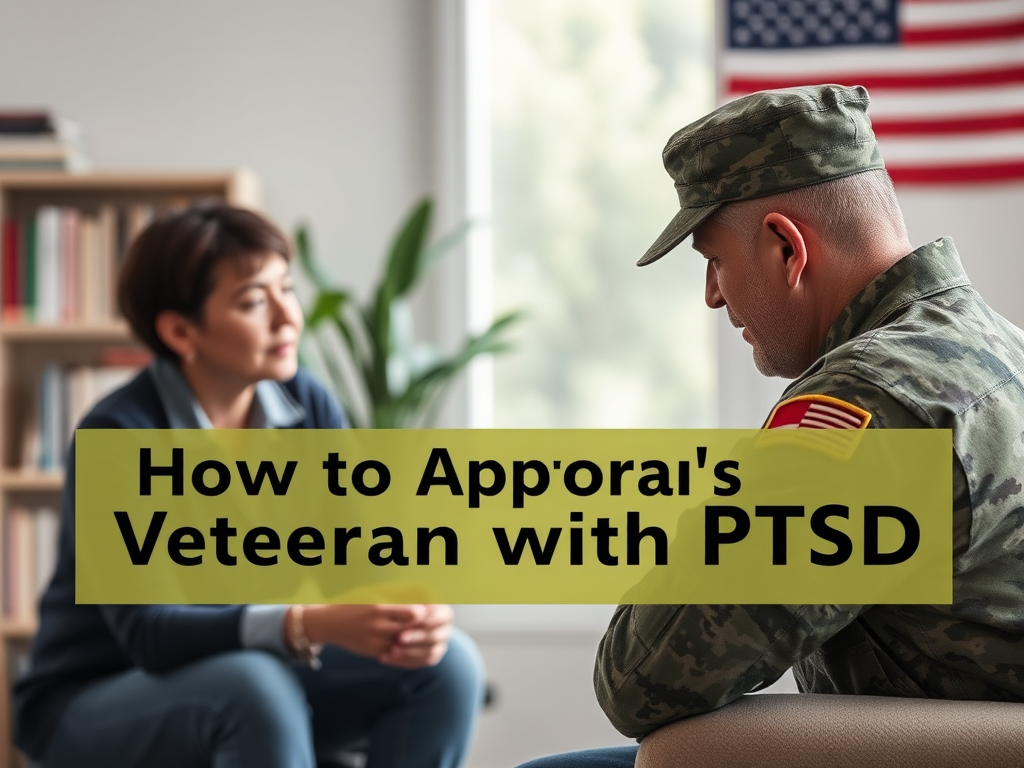
To approach a veteran with PTSD, prioritize creating a safe and supportive atmosphere. Begin by being patient and actively listening, which helps them feel valued and understood. Avoid discussing triggering topics and instead, engage in open dialogue that encourages them to share their feelings. Offering practical support, like assisting them in finding professional help or participating in calming activities together, can strengthen your connection and build trust. Remember, your willingness to listen without judgment is essential in fostering a positive interaction.
Understanding PTSD in Veterans
Post-Traumatic Stress Disorder (PTSD) affects many veterans, stemming from their experiences during military service. This condition can lead to a variety of symptoms, including anxiety, flashbacks, and emotional numbness, which can complicate social interactions. Recognizing these symptoms is crucial for anyone looking to support a veteran. Understanding the root causes of PTSD, including combat exposure and traumatic events, helps in approaching them with empathy and respect.
Veterans may often feel isolated due to their experiences, which can lead to reluctance in discussing their feelings. Acknowledging this reality is the first step in fostering a supportive environment. It’s essential to approach conversations with sensitivity and a willingness to listen rather than to judge. This understanding lays the groundwork for effective communication and support.
Effective Communication Techniques
When engaging with a veteran who has PTSD, the way you communicate can significantly impact their comfort level. Start by creating a safe space where they feel free to express themselves. Use open-ended questions that encourage dialogue, such as asking how they are feeling or what they need at that moment. This approach shows that you care and are willing to listen.
Active listening is another critical component. This means fully concentrating on what the veteran is saying, acknowledging their feelings, and responding appropriately. Avoid interrupting or offering unsolicited advice; instead, validate their feelings and experiences. Phrases like “That sounds really difficult” can help them feel understood and supported.
Building Trust and Support
Building trust with a veteran suffering from PTSD takes time and consistency. Show your commitment by being present and available. Simple gestures, like sending a text to check in or inviting them to participate in social activities, can go a long way in making them feel valued.
Encouraging them to seek professional help is also vital. Offer to assist them in finding a therapist or attending support groups together. Many veterans benefit from connecting with others who have similar experiences, as it fosters a sense of community and understanding. Supporting their journey toward recovery can strengthen your relationship and provide them with the tools they need to manage their PTSD.
Common Mistakes to Avoid
While the intention to support a veteran with PTSD is commendable, several common mistakes can hinder the process. One major error is to avoid discussing their experiences entirely. While it’s essential to respect their boundaries, ignoring the topic can make a veteran feel isolated. Instead, gently encourage conversation when they are ready.
Another mistake is minimizing their feelings or experiences. Phrases like “It could be worse” or “Just get over it” can be incredibly damaging. Instead, focus on validating their feelings and providing reassurance that it’s okay to seek help. Additionally, be mindful of triggering topics or situations that may cause distress. Always prioritize their comfort and emotional safety.
Frequently Asked Questions
What should I say to a veteran with PTSD?
It's best to express understanding and support. Phrases like "I'm here for you" or "What do you need from me right now?" can help open the dialogue.
How can I help a veteran with PTSD?
Offer your support by being present, listening, and encouraging them to seek professional help. Engaging in activities together can also provide comfort.
Should I ask about their experiences?
Only if they are comfortable discussing it. Be sensitive to their feelings and let them lead the conversation if they choose to share.
What are some signs of PTSD?
Common signs include flashbacks, nightmares, severe anxiety, and emotional numbness. Recognizing these symptoms can help in understanding their behavior.
How long does PTSD last?
PTSD can vary in duration; some may experience symptoms for months, while others may have them for years. Recovery is often a gradual process.
Conclusion
Approaching a veteran with PTSD requires sensitivity, patience, and a commitment to understanding their experiences. By fostering open communication, building trust, and avoiding common pitfalls, you can provide meaningful support. Remember that every veteran’s journey is unique, and what works for one may not work for another. Prioritize their comfort and be ready to offer assistance when needed, guiding them toward recovery at their own pace.