
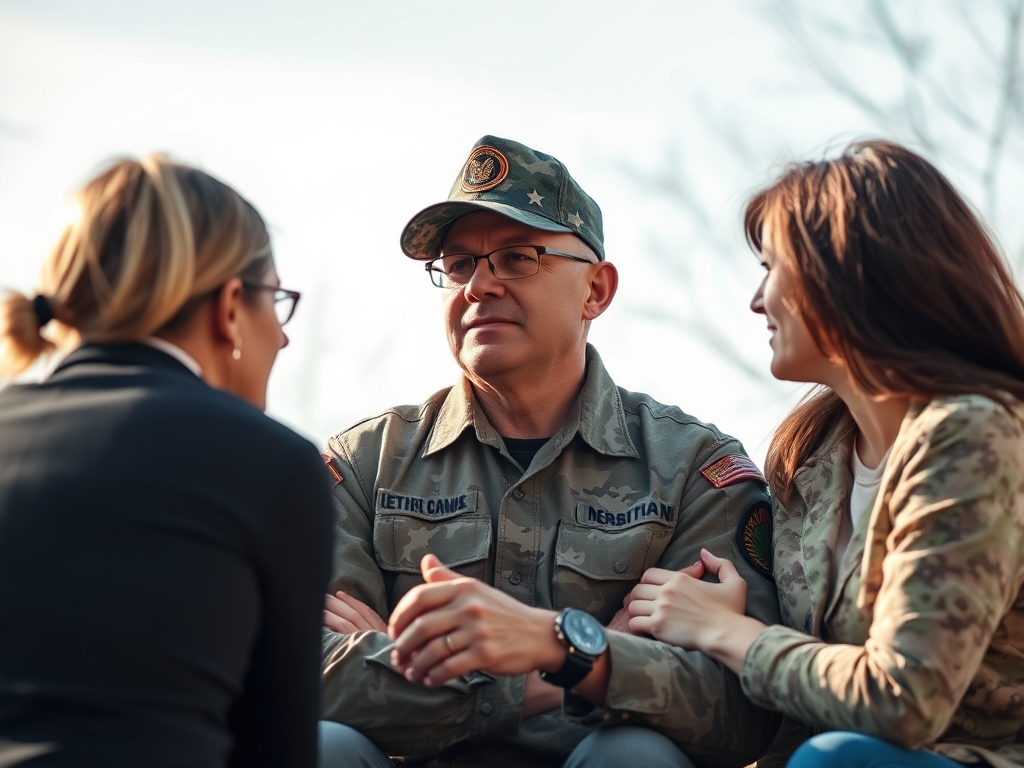
The Role of Peer Support in Veteran PTSD Recovery: Effective Strategies and Real-World Applications is best handled by matching the recommendation to behavior, environment, consistency, health, and the animal’s response. Start with the clearest need, choose one practical adjustment, and measure whether it improves the result before changing anything else. A stronger approach compares the most reliable option with the easiest shortcut, then uses the reader’s actual response to decide what comes next. This keeps the guidance useful, specific, and easier to apply without turning the article into a generic checklist.
Understanding Peer Support in PTSD Recovery
Peer support is a vital aspect of recovery for veterans dealing with post-traumatic stress disorder (PTSD). It involves individuals with shared experiences coming together to provide emotional support and understanding. This form of support is particularly effective for veterans because it fosters a sense of belonging and acceptance, crucial for those who may feel isolated due to their experiences. By connecting with others who have faced similar challenges, veterans can share coping strategies, insights, and encouragement. This not only helps in normalizing their feelings but also aids in the healing process.
Moreover, peer support groups can serve as safe spaces where veterans can openly discuss their struggles without fear of judgment. The shared understanding among group members allows for deeper conversations about trauma, recovery pathways, and mental health challenges. In this way, peer support acts as a complementary approach to professional therapy, enhancing the overall recovery journey.
Understanding Peer Support in PTSD Recovery matters because it turns the role of peer support in veteran PTSD recovery from a broad idea into a decision the reader can actually apply. The practical difference usually shows up in the details: how much is needed, when the choice is made, what tradeoff is acceptable, and what sign shows the approach is working. For technology topics, the strongest advice connects the user goal, system constraint, maintenance burden, and measurable outcome.
A useful way to handle this section is to compare the normal baseline with the situation that creates extra demand. If support is the baseline concern, then peer becomes the adjustment point and recovery becomes the outcome to watch. That keeps the advice specific without forcing the reader into a rigid formula that may not fit their routine, budget, tolerance, schedule, or current level of experience.
The most common mistake is changing too many variables at once. A better approach is to choose one measurable adjustment, use it consistently long enough to see a pattern, and then refine the next step based on energy, comfort, performance, safety, or reliability. This makes the guidance easier to trust because the reader can connect the recommendation to what they observe rather than guessing from a generic checklist.
The practical takeaway is to make the section actionable: identify the main constraint, choose the smallest useful change, and compare the result against the goal. When the outcome improves, the reader can keep the approach. When it does not, the next change should target the most likely bottleneck rather than repeating the same step with more effort.
Benefits of Peer Support for Veterans
The benefits of peer support in veteran PTSD recovery are multifaceted. Firstly, veterans participating in peer support programs often report a significant reduction in feelings of loneliness and isolation. Many veterans may struggle to relate to civilians who have not experienced combat or similar trauma, making peer groups essential for cultivating meaningful connections.
Additionally, peer support can lead to improved mental health outcomes. Studies indicate that veterans who engage in peer support report lower levels of anxiety, depression, and PTSD symptoms. The shared experiences foster an environment of empathy and understanding, which can be therapeutic in itself. For example, veterans sharing their stories may find that they are not alone in their experiences, which can be incredibly validating and relieving.
Furthermore, peer support enhances resilience. Veterans learn from each other’s coping mechanisms and strategies, equipping them with practical tools to manage their PTSD symptoms. This sharing of knowledge can be instrumental in developing personal recovery plans that are tailored to individual needs.
Benefits of Peer Support for Veterans matters because it turns the role of peer support in veteran PTSD recovery from a broad idea into a decision the reader can actually apply. The practical difference usually shows up in the details: how much is needed, when the choice is made, what tradeoff is acceptable, and what sign shows the approach is working. For technology topics, the strongest advice connects the user goal, system constraint, maintenance burden, and measurable outcome.
A useful way to handle this section is to compare the normal baseline with the situation that creates extra demand. If peer is the baseline concern, then support becomes the adjustment point and veterans becomes the outcome to watch. That keeps the advice specific without forcing the reader into a rigid formula that may not fit their routine, budget, tolerance, schedule, or current level of experience.
Implementing Effective Peer Support Programs
Creating effective peer support programs for veterans requires careful consideration of several factors. Firstly, it is important to ensure that facilitators of these groups are adequately trained. They should possess a deep understanding of PTSD and the unique challenges faced by veterans. This training ensures that discussions remain respectful and constructive, creating a safe environment for sharing.
Moreover, the structure of the support group is crucial. Groups can be organized around specific themes, such as coping strategies, trauma processing, or general support. Regular meetings, whether in-person or virtual, can help maintain engagement and provide consistency for participants. Incorporating activities that promote interaction, such as team-building exercises or workshops, can also enhance group dynamics.
Another key aspect is accessibility. Programs should be easily accessible to all veterans, including those with mobility issues or those living in remote areas. Utilizing technology to host virtual meetings can help bridge this gap and ensure that no veteran is left out due to logistical challenges.
Implementing Effective Peer Support Programs matters because it turns the role of peer support in veteran PTSD recovery from a broad idea into a decision the reader can actually apply. The practical difference usually shows up in the details: how much is needed, when the choice is made, what tradeoff is acceptable, and what sign shows the approach is working. For nutrition topics, the strongest advice connects portion size, food quality, timing, and recovery instead of treating every meal as a fixed serving.
A useful way to handle this section is to compare the normal baseline with the situation that creates extra demand. If support is the baseline concern, then peer becomes the adjustment point and veteran becomes the outcome to watch. That keeps the advice specific without forcing the reader into a rigid formula that may not fit their routine, budget, tolerance, schedule, or current level of experience.
Challenges and Misconceptions
Despite the benefits, there are challenges and misconceptions surrounding peer support for veterans. One common misconception is that peer support is a replacement for professional therapy. While it can be a valuable complement, it should not be seen as a substitute for clinical treatment. Effective recovery often requires a combination of both therapeutic approaches.
Additionally, some veterans may feel hesitant to participate in peer support groups due to stigma or fear of vulnerability. This reluctance can be overcome by promoting the positive outcomes of peer support and encouraging a culture of openness. Providing testimonials from veterans who have benefited from these programs can also help alleviate concerns.
In closing, maintaining the sustainability of peer support programs can be challenging. Funding, resource allocation, and volunteer burnout are factors that need to be addressed to ensure that these programs continue to thrive and serve veterans effectively.
Challenges and Misconceptions matters because it turns the role of peer support in veteran PTSD recovery from a broad idea into a decision the reader can actually apply. The practical difference usually shows up in the details: how much is needed, when the choice is made, what tradeoff is acceptable, and what sign shows the approach is working. For technology topics, the strongest advice connects the user goal, system constraint, maintenance burden, and measurable outcome.
A useful way to handle this section is to compare the normal baseline with the situation that creates extra demand. If peer is the baseline concern, then support becomes the adjustment point and veterans becomes the outcome to watch. That keeps the advice specific without forcing the reader into a rigid formula that may not fit their routine, budget, tolerance, schedule, or current level of experience.
Conclusion
Peer support is a powerful element in the recovery journey for veterans dealing with PTSD. By fostering connection, understanding, and shared learning, peer support groups provide essential emotional and practical support. Veterans should prioritize engaging in these programs, as they can significantly enhance their recovery experience. As communities continue to promote and establish these support systems, the positive impact on veterans’ mental health will undoubtedly grow, offering hope and resilience in their healing journeys.
Frequently Asked Questions
What is peer support in veteran PTSD recovery?
Peer support involves veterans helping each other through shared experiences, providing emotional support and practical coping strategies to aid in their recovery from PTSD.
How does peer support benefit veterans?
It reduces feelings of isolation, improves mental health outcomes, and enhances resilience by allowing veterans to share coping mechanisms and experiences.
Are peer support programs a substitute for therapy?
No, peer support programs complement professional therapy but should not replace it. Effective recovery typically requires both approaches.
What challenges do peer support programs face?
Challenges include stigma, ensuring accessibility, funding sustainability, and the need for trained facilitators to guide discussions effectively.
How can veterans find peer support groups?
Veterans can find peer support groups through local VA facilities, community organizations, or online platforms dedicated to veteran mental health support.