
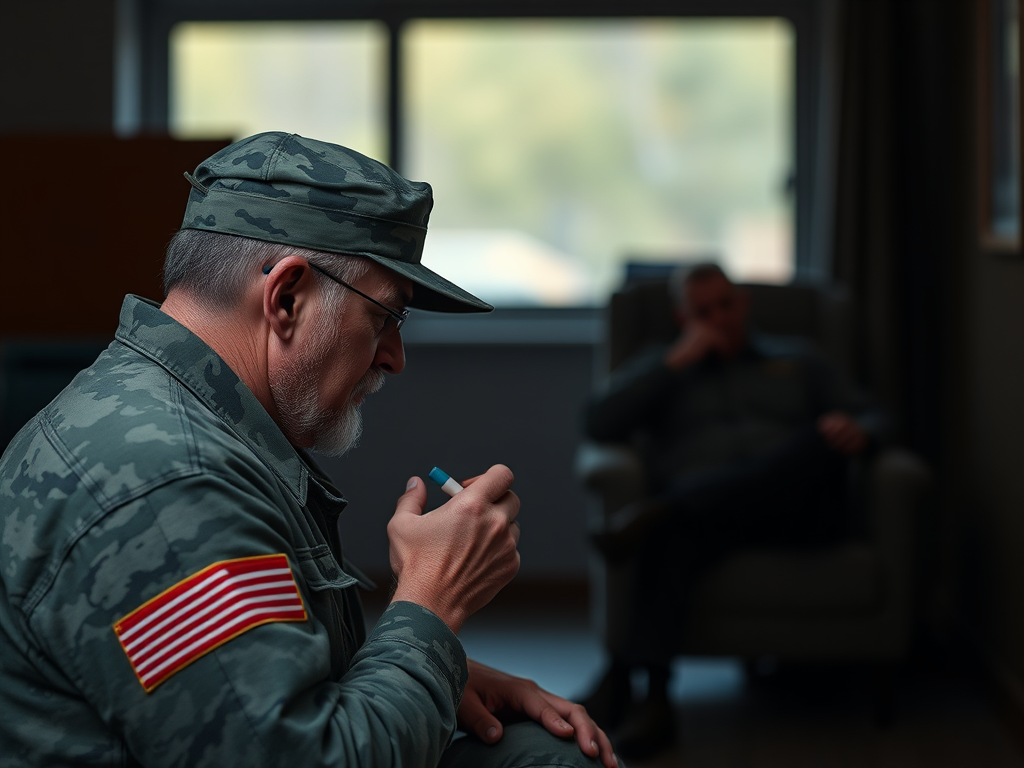
Common fears about PTSD medication among veterans often stem from misconceptions regarding side effects, addiction risks, and stigma. Many veterans worry that medications may alter their personality or lead to dependency, which can prevent them from seeking necessary treatment. Understanding these fears is essential, as addressing them can facilitate more informed decisions about managing PTSD effectively and safely.
Understanding PTSD and Its Treatment Options
Post-Traumatic Stress Disorder (PTSD) is a mental health condition triggered by experiencing or witnessing a traumatic event. For veterans, this can include combat experiences, military sexual trauma, or other life-threatening situations. Treatment options for PTSD vary and often include therapy, medications, or a combination of both. Medications can help alleviate symptoms such as anxiety, depression, and intrusive thoughts, providing veterans with a pathway to recovery.
It’s crucial for veterans to understand their treatment options and the role of medication in managing PTSD. Medications, such as selective serotonin reuptake inhibitors (SSRIs) and other antidepressants, are commonly prescribed to help balance chemicals in the brain that affect mood and emotions. While these medications can be effective, they also come with potential side effects and risks that veterans need to consider.
Understanding PTSD and Its Treatment Options matters because it turns common fears about PTSD medication among veterans from a broad idea into a decision the reader can actually apply. The practical difference usually shows up in the details: how much is needed, when the choice is made, what tradeoff is acceptable, and what sign shows the approach is working. For technology topics, the strongest advice connects the user goal, system constraint, maintenance burden, and measurable outcome.
A useful way to handle this section is to compare the normal baseline with the situation that creates extra demand. If ptsd is the baseline concern, then veterans becomes the adjustment point and medications becomes the outcome to watch. That keeps the advice specific without forcing the reader into a rigid formula that may not fit their routine, budget, tolerance, schedule, or current level of experience.
The most common mistake is changing too many variables at once. A better approach is to choose one measurable adjustment, use it consistently long enough to see a pattern, and then refine the next step based on energy, comfort, performance, safety, or reliability. This makes the guidance easier to trust because the reader can connect the recommendation to what they observe rather than guessing from a generic checklist.
The practical takeaway is to make the section actionable: identify the main constraint, choose the smallest useful change, and compare the result against the goal. When the outcome improves, the reader can keep the approach. When it does not, the next change should target the most likely bottleneck rather than repeating the same step with more effort.
Common Misconceptions About PTSD Medication
Many veterans harbor fears based on misconceptions surrounding PTSD medications. One prevalent myth is that these medications will change their personality or make them feel numb. This fear often stems from a lack of understanding about how these medications work. In reality, when prescribed appropriately, PTSD medications are designed to help individuals regain emotional stability without altering their core personality.
Another common misconception is that taking medication signifies weakness or an inability to cope. This stigma can prevent veterans from seeking help, leading to untreated symptoms that can worsen over time. It’s important to recognize that seeking medication is a proactive step towards recovery, not a sign of weakness.
Moreover, fears of addiction are prevalent. Many veterans worry that they will become dependent on medications. While some medications carry a risk of dependency, most prescribed for PTSD, such as SSRIs, are not habit-forming. Understanding these distinctions can help veterans make informed decisions about their treatment.
Common Misconceptions About PTSD Medication matters because it turns common fears about PTSD medication among veterans from a broad idea into a decision the reader can actually apply. The practical difference usually shows up in the details: how much is needed, when the choice is made, what tradeoff is acceptable, and what sign shows the approach is working. For technology topics, the strongest advice connects the user goal, system constraint, maintenance burden, and measurable outcome.
A useful way to handle this section is to compare the normal baseline with the situation that creates extra demand. If ptsd is the baseline concern, then veterans becomes the adjustment point and medications becomes the outcome to watch. That keeps the advice specific without forcing the reader into a rigid formula that may not fit their routine, budget, tolerance, schedule, or current level of experience.
Risks Associated with PTSD Medications
While medications can be beneficial, they also carry risks that veterans should be aware of. Side effects can range from mild to severe, including weight gain, sexual dysfunction, and gastrointestinal issues. It’s essential for veterans to discuss these potential side effects with their healthcare provider to weigh the benefits against the risks effectively.
Additionally, combining medications with other treatments, such as therapy, can present challenges. Some veterans may experience interactions between medications that can exacerbate side effects or reduce the effectiveness of treatment. Regular follow-ups with healthcare providers can help manage these risks and ensure that veterans receive the most appropriate care.
Another risk is the potential for withdrawal symptoms if medications are stopped suddenly. Veterans should never discontinue their medication without consulting their healthcare provider, as this can lead to a resurgence of PTSD symptoms or withdrawal effects.
Risks Associated with PTSD Medications matters because it turns common fears about PTSD medication among veterans from a broad idea into a decision the reader can actually apply. The practical difference usually shows up in the details: how much is needed, when the choice is made, what tradeoff is acceptable, and what sign shows the approach is working. For technology topics, the strongest advice connects the user goal, system constraint, maintenance burden, and measurable outcome.
A useful way to handle this section is to compare the normal baseline with the situation that creates extra demand. If veterans is the baseline concern, then risks becomes the adjustment point and medications becomes the outcome to watch. That keeps the advice specific without forcing the reader into a rigid formula that may not fit their routine, budget, tolerance, schedule, or current level of experience.
The Importance of Open Communication with Healthcare Providers
Effective treatment for PTSD requires open communication between veterans and their healthcare providers. Veterans should feel empowered to discuss their fears and concerns regarding medications. This dialogue can help providers tailor treatment plans to meet individual needs and preferences.
It’s important for veterans to ask questions about their treatment options, including the expected benefits, potential side effects, and how long medications will be needed. By being informed and engaged in their treatment, veterans can alleviate some of their fears and make better decisions about their mental health care.
Support groups and peer discussions can also provide valuable perspectives and reduce feelings of isolation. Hearing from others who have navigated similar experiences can help veterans feel more comfortable with their treatment options.
For veterans seeking additional resources, various organizations provide valuable information on PTSD and its treatment. Resources include the U.S. Department of Veterans Affairs (VA) website, which offers insights into mental health services, and the National Center for PTSD, which provides educational materials about PTSD and its treatment options.
The Importance of Open Communication with Healthcare Providers matters because it turns common fears about PTSD medication among veterans from a broad idea into a decision the reader can actually apply. The practical difference usually shows up in the details: how much is needed, when the choice is made, what tradeoff is acceptable, and what sign shows the approach is working. For technology topics, the strongest advice connects the user goal, system constraint, maintenance burden, and measurable outcome.
A useful way to handle this section is to compare the normal baseline with the situation that creates extra demand. If veterans is the baseline concern, then treatment becomes the adjustment point and ptsd becomes the outcome to watch. That keeps the advice specific without forcing the reader into a rigid formula that may not fit their routine, budget, tolerance, schedule, or current level of experience.
Frequently Asked Questions
What medications are commonly prescribed for PTSD?
Common medications for PTSD include SSRIs like sertraline and paroxetine, which help reduce symptoms of depression and anxiety.
Are there side effects to PTSD medications?
Yes, side effects can include weight gain, sexual dysfunction, insomnia, and gastrointestinal issues, but these vary by individual and medication.
Can PTSD medication lead to addiction?
Most PTSD medications, especially SSRIs, are not considered addictive. However, some medications like benzodiazepines can carry a risk of dependency.
How long does it take for PTSD medications to work?
It can take several weeks to notice the full effects of PTSD medications, as they often require time to build up in the system.
What should I do if I experience side effects?
If you experience side effects, it's important to discuss them with your healthcare provider, who may adjust your dosage or switch medications as needed.
Conclusion
Understanding the common fears about PTSD medication among veterans is critical for effective treatment. By addressing misconceptions, recognizing the risks, and fostering open communication with healthcare providers, veterans can make informed decisions about managing their PTSD. Seeking help is a courageous step toward recovery, and understanding medication’s role can enhance the healing journey.