
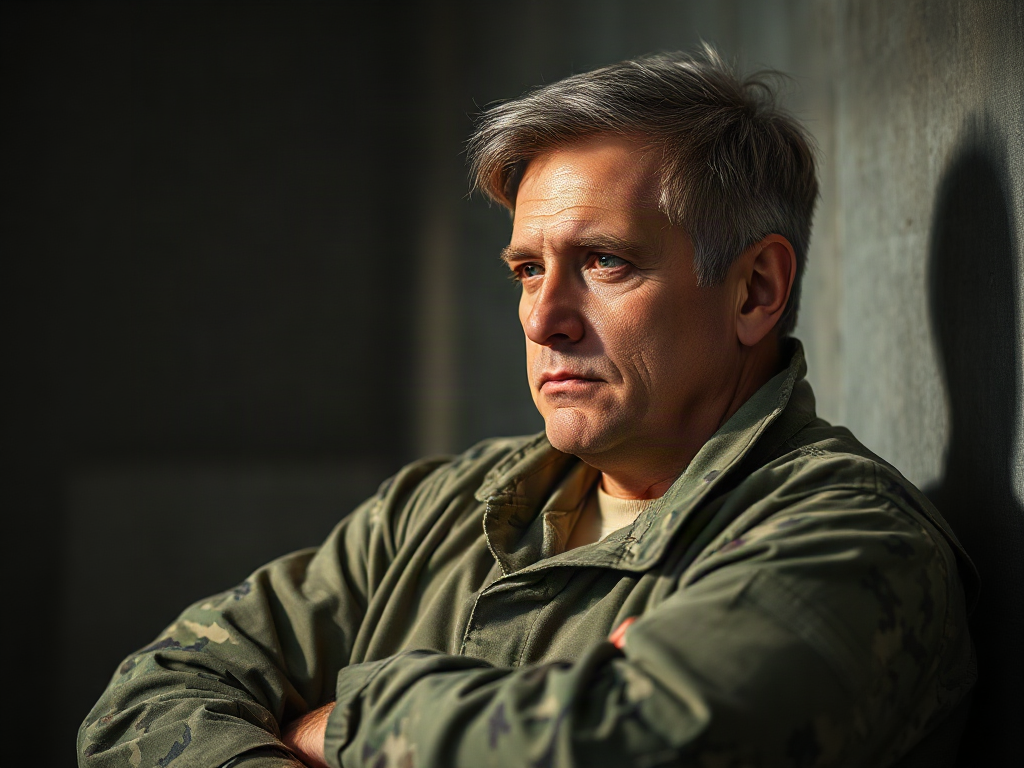
Deployment trauma can change a veteran’s relationship with silence by making quiet feel unsafe, unpredictable, or emotionally loaded rather than restful. Combat-related memories, sudden sensory reminders, hypervigilance, sleep disruption, and learned emotional control may cause a veteran to avoid quiet, fill it with noise, or withdraw from conversation. Others may seek silence because speaking feels exposing or because words seem inadequate. A useful response is to treat silence as a nervous-system signal, not a character flaw: notice when it becomes distressing, add predictable sound or grounding, and discuss communication boundaries with trusted people. Persistent fear, isolation, nightmares, or impairment warrant assessment from a qualified mental health professional.
Why Quiet Can Feel Unsafe After Deployment
Silence after deployment may carry a different meaning than silence before service. In a combat environment, quiet can precede danger, conceal movement, or signal that something has changed. The nervous system may learn to monitor small sounds and gaps in sound because doing so once supported survival. Back home, that same monitoring can remain active even when the surroundings are objectively safe.
A veteran might become tense when a room goes quiet, scan doors and windows, or keep a television playing while trying to sleep. The reaction is not proof that danger is present. It may reflect a conditioned association between reduced sound and the need to prepare. A sudden refrigerator click, a vehicle passing outside, or a person entering a room can then receive more attention than it would have before deployment.
Quiet can also make internal experiences more noticeable. When external stimulation drops, intrusive memories, bodily tension, guilt, grief, or anticipated threats may move into the foreground. Some veterans describe silence as a space where they cannot distract themselves from what happened. Others experience it as the only setting in which they are not required to explain themselves.
The distinction matters. A preference for calm is not automatically a trauma symptom, and enjoying background noise is not automatically avoidance. The useful question is whether the response is flexible. Someone who chooses music during a difficult evening but can tolerate a quiet conversation still has options. Someone who cannot sleep, drive, remain alone, or connect with family unless sound is constantly present may be dealing with a more disruptive pattern.
Readers researching how deployment trauma can change a veteran’s relationship with silence should watch for context, intensity, and consequences rather than judging the behavior by appearance alone.
Two Different Responses: Seeking Silence and Escaping It
Deployment trauma does not produce one universal response to quiet. Some veterans pursue silence because conversation feels dangerous, exhausting, or emotionally intrusive. Others avoid it with music, news, work, alcohol, constant messaging, or unnecessary activity. Both patterns can serve a short-term protective function while creating longer-term costs.
Withdrawal may reduce the immediate pressure to answer questions or reveal distress. For a veteran accustomed to controlling emotion in a high-risk setting, silence can feel safer than trying to describe an experience that is fragmented, morally complicated, or painful to revisit. A family member may interpret the withdrawal as rejection, while the veteran experiences it as an attempt to prevent irritability or emotional flooding.
Noise-seeking works differently. Continuous sound can occupy attention, mask environmental uncertainty, or prevent intrusive thoughts from becoming vivid. A veteran may sleep with a podcast running or keep several devices active in the room. That may provide temporary relief, but relying on distraction alone can narrow daily choices and make ordinary quiet increasingly unfamiliar.
Neither response should be treated as a simple habit to break. Pressuring someone to “just sit in silence” can intensify threat reactions, while insisting that every quiet moment must be filled can reinforce the belief that quiet is unmanageable. A more useful comparison is between controlled exposure and forced exposure. Controlled exposure involves a tolerable setting, a time limit, an exit option, and a way to return attention to the present. Forced exposure removes those safeguards.
A practical observation period can clarify the pattern. Note the setting, type of silence, body reaction, thoughts, coping behavior, and recovery time. A quiet bedroom at night may produce a different response from silence during a family meal. The purpose is not self-diagnosis; it is to identify which situations deserve discussion with a clinician and which adjustments offer immediate stability.
How Silence Affects Relationships at Home
Silence can become a relationship problem when people assign different meanings to it. A partner may hear silence as anger or emotional absence. The veteran may mean, “I need a few minutes before I say something I regret,” or may be concentrating on internal alarm signals. Without a shared explanation, both people can respond to assumptions instead of the actual need.
Household routines often expose this mismatch. A veteran may leave the room when conversation stops, sit with their back to a wall, or become irritable when family members speak softly behind them. A partner who follows to seek reassurance can unintentionally increase the sense of being trapped. On the other hand, giving unlimited space without any agreed return point can deepen isolation and leave the family uncertain about safety.
Specific communication boundaries are more useful than vague requests for openness. A veteran might say, “I am overloaded and need twenty minutes; I will come back at 7:30.” A partner might ask, “Do you want company, quiet, or low background sound?” These statements separate a temporary regulation need from abandonment. They also make silence predictable instead of ambiguous.
There is a tradeoff between privacy and connection. A veteran deserves control over personal disclosures, but secrecy that prevents a household from responding to escalating distress can create risk. Family members do not need every deployment detail to understand a practical plan: what signs indicate overload, what type of interruption is acceptable, and when outside help should be contacted.
One common mistake is treating silence as a test of love. Repeatedly demanding immediate discussion may produce compliance without trust, while withdrawing affection until the veteran talks may confirm that speech is unsafe. A better approach is to maintain low-pressure contact through concrete activities such as walking, preparing food, or sitting in the same room with agreed sound levels. Connection does not always begin with a disclosure.
Practical Ways to Make Quiet More Manageable
Making silence safer usually works better when the veteran gains control over its timing, intensity, and duration. The first move is to identify a manageable version of quiet rather than targeting the most difficult situation. Ten minutes in a familiar room during daylight may be more workable than an unstructured, silent night in an unfamiliar hotel.
Grounding can provide an anchor when attention turns toward threat or memory. The veteran may name several visible objects, feel both feet against the floor, describe the current date and location, or hold a cool object while noticing the breath without forcing it to slow. These actions do not erase trauma memories. They help distinguish a present-moment cue from a remembered danger.
Sound can be adjusted rather than divided into “total silence” or “constant distraction.” Options include a fan, quiet instrumental music, nature sounds, or a familiar spoken program at low volume. The choice should be guided by whether it supports rest and flexibility. If the sound must become louder or more complex whenever quiet appears, it may be functioning mainly as escape rather than a stable environmental aid.
A short, repeatable plan can include:
- Choose a predictable place and time with a clear end point.
- Remove avoidable surprises, such as an unannounced interruption or locked exit.
- Use one grounding cue and rate distress before and after the period.
- Stop if symptoms escalate sharply, then record what made the situation difficult.
- Discuss repeated problems with a trauma-informed clinician instead of increasing the challenge alone.
Progress should be judged by flexibility, not by achieving perfect stillness. A useful sign is being able to choose background sound, tolerate a brief pause, or tell another person what is needed without shutting down. Signs that the approach is failing include worsening panic, dissociation, aggressive reactions, sleep loss, or increased substance use. Those outcomes call for a reassessment, not more pressure.
Readers may also find the broader discussion of how deployment trauma can change a veteran’s relationship with silence useful when deciding whether a sound routine is supporting regulation or reinforcing avoidance.
When Silence Signals a Need for Professional Support
A changed response to quiet deserves professional attention when it interferes with sleep, work, relationships, driving, medical care, or basic daily routines. Persistent nightmares, intrusive memories, severe startle reactions, emotional numbing, hopelessness, or increasing isolation add weight to the concern. Silence itself does not establish a diagnosis, but its effects can help identify where support is needed.
A clinician can assess whether the pattern is related to post-traumatic stress, depression, anxiety, traumatic brain injury, hearing changes, chronic pain, substance use, sleep problems, or several conditions at once. That broader assessment matters because a veteran who cannot tolerate quiet may be responding to tinnitus, insomnia, or medication effects as well as trauma reminders. Treating only the visible behavior can miss the pressure maintaining it.
Choosing support does not require sharing every deployment detail at the first appointment. A veteran can begin with observable facts: “I need noise to sleep,” “quiet rooms make me scan for danger,” or “I stop speaking when the house becomes still.” A written note may be easier than saying the information aloud. The veteran can also ask how confidentiality works and what treatment approaches are being considered.
Family members should avoid acting as amateur monitors or forcing disclosure. They can describe specific changes, offer transportation, help prepare questions, and agree on what to do if safety concerns arise. If someone expresses an intention to self-harm, cannot stay safe, or presents an immediate danger to another person, contact emergency services or the 988 Suicide & Crisis Lifeline in the United States and remain with the person when safe to do so.
Support should preserve agency while addressing risk. The goal is not to make a veteran behave like someone who has never deployed. It is to expand the available responses so quiet can be chosen, modified, or left without controlling the entire day.
Frequently Asked Questions
Why can silence trigger a veteran after deployment?
Quiet may have been associated with threat monitoring or an anticipated attack during deployment. Later, similar conditions can activate alertness even in a safe setting.
Is avoiding silence always a sign of PTSD?
No. Sound preferences can reflect personality, tinnitus, sleep difficulty, anxiety, or ordinary comfort. Concern rises when the pattern causes distress, impairment, or increasing isolation.
How can a partner respond when a veteran withdraws into silence?
Ask whether the person wants space, quiet company, or low background sound, then agree on a time to reconnect. Avoid demanding deployment details during acute distress.
Can background noise make the problem worse?
It may if sound becomes the only way the veteran can sleep or remain alone. Adjustable, low-level sound can be reasonable, but growing dependence or distress deserves clinical discussion.
When should a veteran seek help for a changed relationship with silence?
Seek qualified support when quiet-related reactions disrupt sleep, work, relationships, or safety, especially alongside nightmares, panic, substance misuse, hopelessness, or severe withdrawal.
Conclusion
A veteran’s response to silence may reflect learned threat detection, emotional protection, intrusive memories, sleep disruption, or another condition that deserves careful assessment. The practical priority is flexibility: identify the situations that produce alarm, use predictable sound or grounding when needed, and create clear communication boundaries at home. Forced quiet can backfire, while unlimited avoidance can make ordinary stillness feel less attainable. Small, controlled changes are more informative than dramatic challenges, particularly when a trauma-informed professional can help interpret the reaction. Family support works best when it offers choice without demanding disclosure. If silence is linked with severe distress, functional impairment, substance use, or safety concerns, professional or crisis support should take precedence over self-directed exposure.