
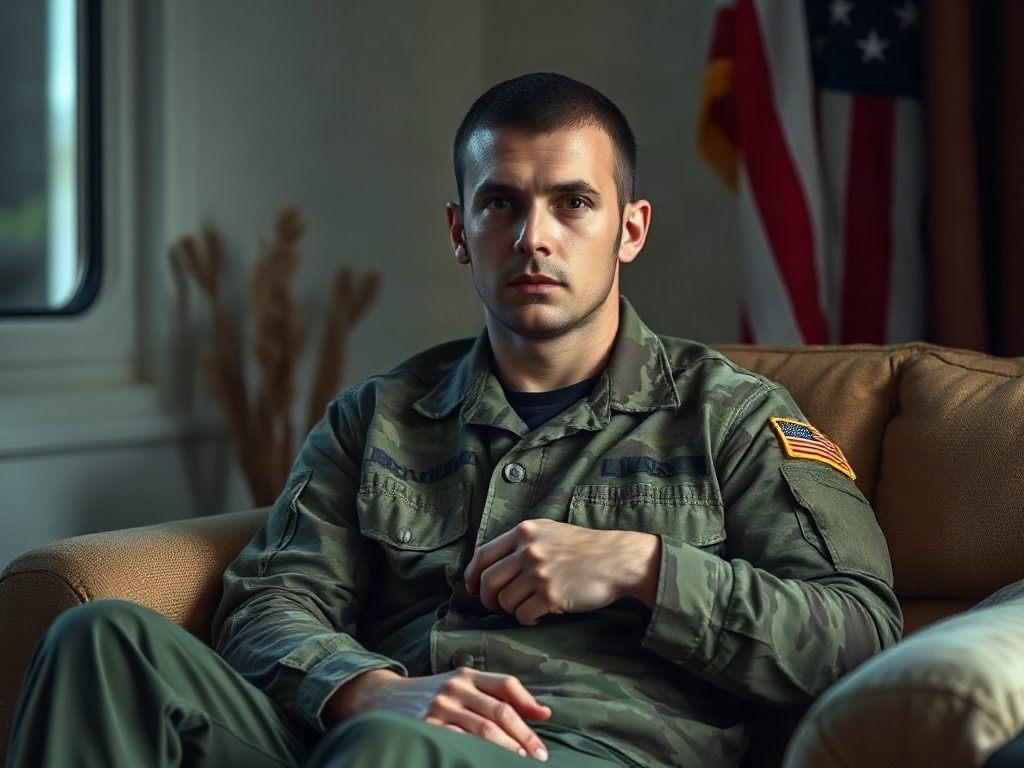
Survivor guilt complicates progress in veteran PTSD treatment by making recovery feel undeserved, increasing avoidance, and turning ordinary improvement into a perceived betrayal of people who died or suffered. A veteran may reject relief, minimize symptoms, miss appointments, or resist trauma-focused work because guilt feels tied to loyalty, responsibility, or moral identity. Treatment becomes more workable when clinicians assess guilt separately from fear-based symptoms, address disputed responsibility with care, and connect coping goals to honoring—not abandoning—others. Progress should be judged through attendance, emotional tolerance, sleep, relationships, and safer daily functioning rather than the disappearance of guilt alone. Persistent hopelessness, self-punishment, or thoughts of death require prompt professional attention.
Why Survivor Guilt Can Stall Treatment Progress
Survivor guilt is a painful response to living through an event in which others died, were injured, or experienced consequences the veteran believes should have been shared. It may involve questions such as “Why me?”, “What did I fail to do?”, or “Do I have the right to feel safe?” The distress is not limited to a memory of the event. It can become part of a veteran’s identity and moral interpretation of recovery.
That meaning can interfere with PTSD treatment in a way that differs from straightforward fear avoidance. A veteran might understand that a therapy exercise is intended to reduce distress yet still experience improvement as disloyal. Sleeping better may feel like forgetting. Enjoying family time may trigger shame. Planning for work or education may seem incompatible with the belief that life should have stopped at the moment of loss.
The guilt may also contain several different judgments that need to be separated. One person may blame a decision made under extreme conditions; another may feel guilty for surviving physically; another may carry responsibility for not preventing a casualty despite having limited information or control. Treating all of these reactions as the same emotion can produce a poor fit between the problem and the intervention.
A useful clinical conversation examines responsibility, intention, available choices, and the standards being applied after the fact. This does not mean arguing with the veteran or declaring that the guilt is irrational. Premature reassurance can sound like dismissal, especially when the person is protecting a bond with a deceased comrade. The more productive priority is to understand what the guilt is trying to accomplish—punishment, loyalty, accountability, or protection—before asking the veteran to loosen its grip.
Readers researching how survivor guilt complicates progress in veteran PTSD treatment should watch for a central distinction: guilt can be clinically relevant even when a veteran is attending sessions. Participation does not necessarily mean the person feels permitted to recover. Quiet compliance, emotional shutdown, or repeated statements that treatment is “for everyone else” may signal an unresolved barrier rather than steady improvement.
How Guilt Changes Engagement With PTSD Care
Survivor guilt often changes treatment engagement through avoidance, self-punishment, and mistrust of relief. A veteran may postpone an appointment after discussing a loss, stop completing between-session work, or keep trauma memories vague to avoid feeling responsible for moving forward. The behavior can look like low motivation, but the underlying pressure may be moral: getting better feels like accepting an outcome the veteran considers unfair.
Guilt can also affect the therapeutic relationship. If a clinician emphasizes symptom reduction too quickly, the veteran may hear that the goal is to erase the past. If the clinician challenges responsibility before learning the event’s context, the veteran may withdraw or provide only safe, rehearsed answers. A trauma-informed approach treats hesitation as information. The question is not simply whether the veteran is resisting care, but what consequence the veteran expects from accepting it.
Consider a former service member who begins exposure-based work but repeatedly reports that calmness feels wrong. The obstacle may not be exposure itself. The exercise could be activating a belief that vigilance is a form of continued duty. If the veteran relaxes, the mind may predict that another person will be forgotten, danger will be missed, or personal comfort will become evidence of moral failure. Addressing that belief may be necessary before the veteran can use the technique consistently.
Another common complication is symptom comparison. A veteran may dismiss nightmares, irritability, or isolation because someone else “had it worse.” That comparison can delay disclosure and make treatment data unreliable. The result is a care plan built around underreported symptoms. Clinicians and family members can respond more effectively by focusing on current impairment—sleep, concentration, relationships, substance use, work, and safety—rather than debating whose experience deserves attention.
Practical engagement improves when the veteran and provider identify a narrow, observable goal that does not require abandoning the bond with those lost. Examples include remaining present during a family meal, attending a session after a difficult anniversary, or sleeping without using alcohol to force unconsciousness. These goals make room for grief and responsibility while testing whether recovery can coexist with remembrance.
Treatment Adjustments That Respect Responsibility and Meaning
Effective care does not treat survivor guilt as a simple thinking error to be corrected in one discussion. The treatment plan may need to address PTSD symptoms, grief, moral injury, depression, anger, and the veteran’s interpretation of responsibility at the same time. A licensed mental health professional can determine which concerns need priority and whether the current therapy approach is appropriate.
One important adjustment is to distinguish factual responsibility from emotional responsibility. A veteran may feel responsible for an outcome while lacking the authority, information, resources, or realistic ability to prevent it. Reviewing the event in sequence can clarify what was known at each moment, what alternatives were actually available, and which judgments are being imposed with hindsight. The purpose is not to produce a forced verdict of innocence; it is to make the assessment more accurate and less dominated by automatic self-condemnation.
Therapy may also benefit from values-based planning. Instead of framing recovery as “letting go,” a clinician might explore how improved sleep, safer relationships, or renewed purpose could express the veteran’s values. A person who feels obligated to remember a fallen friend may be more willing to pursue care when treatment is connected to carrying forward a shared commitment, supporting family, or preventing additional harm.
Different methods have different tradeoffs. Trauma-focused therapies may directly address memories and beliefs but can temporarily increase distress, especially when guilt is tightly linked to grief. Skills-based work can improve emotional regulation and attendance before deeper processing, but skills alone may leave the central responsibility belief untouched. Peer support can reduce isolation and normalize military experiences, while group settings may also intensify comparison or expose veterans to stories they are not ready to hear.
A practical plan should include a way to report when the approach is failing. Warning signs include escalating avoidance, missed sessions after guilt-related material, increased alcohol or drug use, emotional numbness, worsening conflict, or statements that suffering is deserved. The veteran should be able to tell the clinician when an exercise feels like punishment or when a discussion about the past is becoming unmanageable. Adjusting pace is not the same as abandoning treatment.
Families can help by avoiding arguments such as “You did everything you could” when the veteran is not ready to hear them. A more useful response may acknowledge the pain, ask what the veteran believes they were responsible for, and encourage professional support without taking over the conversation. The goal is companionship and safety, not an improvised courtroom ruling.
How Veterans and Clinicians Can Judge Progress
Progress should be measured by increased choice and functioning, not by whether survivor guilt disappears completely. A veteran may still feel sadness or responsibility while becoming less controlled by those feelings. Useful indicators include attending care more consistently, describing the event with greater flexibility, tolerating ordinary pleasure, reducing self-punishing behavior, and responding to reminders without losing an entire day.
Tracking change across several areas is more informative than relying on a single question about guilt. A brief weekly note can record sleep quality, nightmares, avoidance, connection with others, substance use, and the intensity of self-blame. The veteran can also record what happened after a guilt surge: Did they isolate, contact someone safe, use grounding, attend the scheduled appointment, or return to a valued activity? Patterns help the treatment team distinguish a temporary flare from a plan that needs revision.
For example, a veteran may report that guilt remains an eight out of ten but has started visiting family twice a month and no longer leaves therapy immediately after discussing the loss. That may represent meaningful progress even though the emotion remains intense. Conversely, a lower guilt rating is not enough if it reflects numbness, increased drinking, or disengagement from relationships.
Short-term relief and long-term recovery can point in different directions. Avoiding a memorial event may reduce distress that day but reinforce the belief that remembrance is dangerous. Attending without preparation may overwhelm the veteran and lead to several weeks of withdrawal. A better decision considers readiness, support, an exit plan, and what the event means to the individual.
Priorities can be kept concrete:
- Identify the guilt belief in the veteran’s own words.
- Separate grief, responsibility, fear, anger, and shame rather than treating them as one symptom.
- Choose one functioning goal that recovery can support.
- Review safety, substance use, and appointment follow-through regularly.
- Tell the clinician when treatment feels invalidating, rushed, or punitive.
That process gives the veteran a clearer way to see change without demanding emotional amnesia. It also gives clinicians information that symptom scores alone may miss.
When Guilt Signals a Need for Urgent Support
Survivor guilt deserves prompt clinical attention when it shifts from painful reflection into persistent self-punishment or hopelessness. Statements such as “I should not be here,” “My family would be better without me,” or “I deserve whatever happens” should be taken seriously, particularly when paired with withdrawal, reckless behavior, access to lethal means, intoxication, or sudden calm after severe distress.
A veteran who feels unsafe should contact emergency services or a crisis service appropriate to their location, or go to the nearest emergency department. In the United States, the Veterans Crisis Line can be reached by dialing 988 and pressing 1, texting 838255, or using its official online chat. A trusted person can stay nearby, help reduce immediate access to weapons or other lethal means when it can be done safely, and assist with contacting professional support. These steps do not replace ongoing PTSD care.
Urgency is not limited to active suicidal intent. A sharp rise in alcohol use, reckless driving, medication misuse, or deliberate exposure to danger may represent indirect self-harm or an attempt to balance perceived moral debt. Clinicians should know about these changes, even if the veteran denies wanting to die. Friends and relatives should report concrete observations rather than making accusations.
Longer-term care may involve a therapist experienced with veterans, trauma, grief, or moral injury, along with a primary care provider when sleep, pain, medication, or substance use complicates treatment. Peer support can be valuable, but it should complement—not replace—individual assessment when guilt is severe. Guidance about how survivor guilt complicates progress in veteran PTSD treatment is most useful when paired with a real conversation about safety and treatment fit.
Frequently Asked Questions
Can survivor guilt make PTSD treatment feel undeserved?
Yes. A veteran may interpret relief, pleasure, or improved functioning as disloyalty to people who died or suffered. Therapy can address that meaning without dismissing grief or responsibility.
Is survivor guilt the same as moral injury?
No. They can overlap, but survivor guilt is one response to surviving while others did not. Moral injury may involve a broader crisis about actions, omissions, betrayal, or violated values.
What should a veteran tell a therapist about treatment resistance?
Describe the exact reaction: missed appointments, fear of feeling better, distress after exposure work, self-punishing thoughts, or concern that recovery means forgetting. Specific examples help the clinician adjust care.
Can peer support help with survivor guilt?
Peer support may reduce isolation and provide language for military experiences, but group stories can also be activating. Choose a setting with clear boundaries and use clinical support when guilt is severe or safety is uncertain.
When does survivor guilt require immediate help?
Immediate help is warranted when guilt includes suicidal thoughts, feeling undeserving of life, reckless self-harm, severe intoxication, or a sudden inability to stay safe. Contact emergency services or the Veterans Crisis Line in the United States.
Conclusion
Survivor guilt can slow veteran PTSD treatment because it often carries a moral message: suffering is owed, recovery is disloyal, or continued vigilance is the only way to honor the dead. Care becomes more effective when that message is examined carefully rather than argued away. Veterans can help by naming the specific guilt belief, tracking how it affects attendance and daily functioning, and telling providers when an exercise feels punitive or overwhelming. Clinicians can separate responsibility from hindsight, coordinate care for grief and substance use, and connect recovery goals to the veteran’s values. Persistent self-punishment or thoughts of death call for immediate support. The practical aim is not to erase remembrance; it is to make room for safety, connection, and a life that does not require ongoing punishment.