
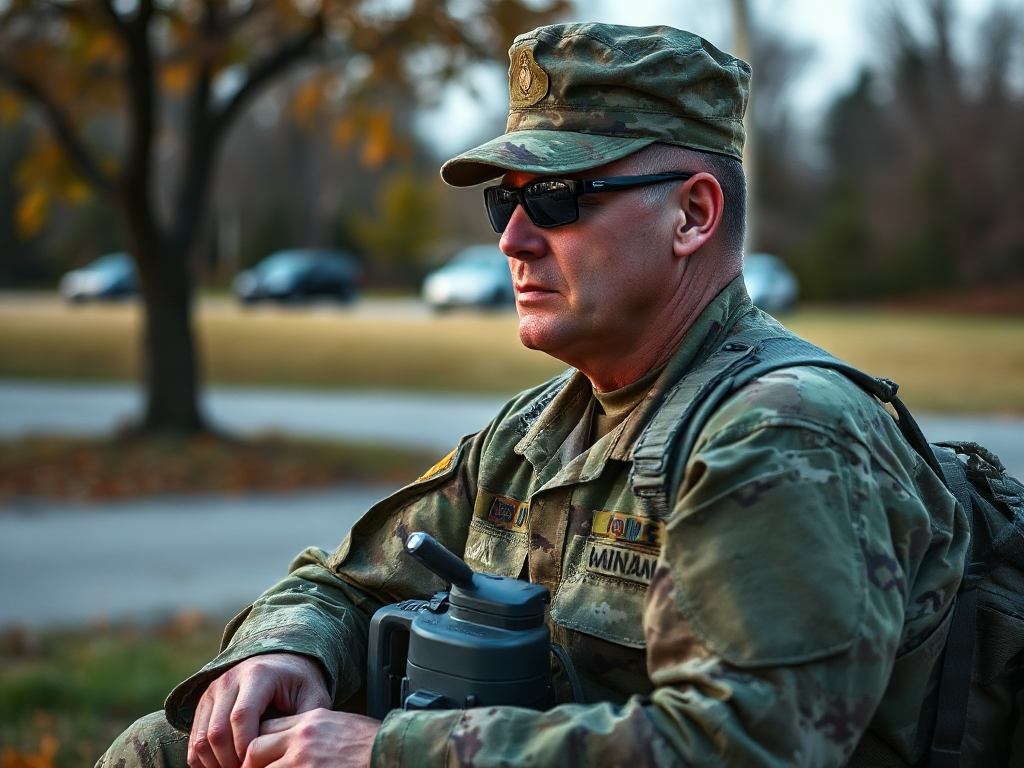
Combat-related PTSD can worsen after retirement or separation because military structure, mission-focused routines, social connection, and constant task demands may have helped contain symptoms rather than resolved them. Once those protections disappear, intrusive memories, sleep disruption, irritability, guilt, substance use, and hypervigilance may become harder to manage. Retirement can also create unstructured time, identity loss, relationship strain, financial pressure, or renewed contact with reminders of combat. Tracking changes in sleep, isolation, anger, and daily functioning can reveal deterioration early. A clinician experienced with trauma and military transitions can help distinguish a temporary adjustment from a worsening condition and identify appropriate treatment, peer support, medication review, or crisis care.
Why Separation Can Remove Symptom Controls
Retirement or separation can expose PTSD symptoms that were partly contained by military structure. Predictable schedules, clear responsibilities, physical activity, trusted peers, and a strong operational purpose may have given a service member ways to stay occupied and regulate distress. Those supports do not necessarily mean the underlying trauma has healed. When the routine ends, memories and emotions that were pushed aside during service may receive more attention.
A person who functioned well while working may notice problems after leaving: lying awake without a duty schedule, avoiding crowded stores, reacting sharply to ordinary noises, or feeling unusually detached from family. The change can be confusing because the individual may think, “I handled combat, so why am I struggling now?” PTSD does not always follow the timing of the event. Symptoms can become more visible when demands, distractions, or social roles change.
Military culture can also reward endurance and privacy. Someone may have learned to suppress fear, grief, anger, or survivor guilt to remain effective around others. That strategy can be useful during an operation but costly in civilian life, where emotional communication and flexible problem-solving matter more. A common mistake is treating the delayed increase in symptoms as proof of weakness or as evidence that retirement itself caused PTSD. The transition may instead have removed coping systems that were carrying too much weight.
Useful early steps include comparing current functioning with the person’s baseline before retirement, identifying which routines disappeared, and recording when symptoms occur. A simple log of sleep, nightmares, alcohol or medication use, social contact, irritability, and avoidance can show whether the problem is occasional adjustment stress or a sustained decline. Resources about why combat-related PTSD can worsen after retirement or separation are most useful when they lead to specific observations and a conversation with a qualified professional.
Life Changes That Can Intensify Combat Trauma
Several pressures often arrive together after military separation, and their combined effect can be more disruptive than any single change. Loss of a familiar role may affect identity, purpose, finances, and relationships at the same time. A retired service member may have more hours available but fewer meaningful tasks, while a separating service member may face relocation, a new job, school demands, or uncertainty about benefits and health care.
Unstructured time can increase exposure to intrusive memories and rumination. Sleep may shift because there is no longer a required wake time, while chronic pain or tinnitus may make nights more difficult. Reduced physical activity can remove a familiar outlet for tension. At home, a partner may see irritability or withdrawal more clearly than coworkers once did. The resulting conflict can reinforce the belief that civilian life is unsafe or that no one understands.
Triggers may also become more visible. Fireworks, traffic congestion, news coverage, crowded public spaces, anniversaries, smells, or conversations with other service members can activate a threat response. Avoiding every possible reminder may bring short-term relief but can gradually shrink a person’s world. By contrast, forcing exposure without preparation can increase distress. The appropriate pace depends on symptoms, safety, treatment history, and the person’s ability to recover after activation.
Consider two contrasting situations. A veteran who keeps a consistent wake time, exercises within medical limits, attends regular appointments, and maintains contact with trusted peers may still have nightmares but can notice patterns early. Another person who stops leaving home, drinks to sleep, misses appointments, and argues with family may interpret isolation as rest when it is actually worsening avoidance. Practical transition planning should address housing, income, medical care, sleep, relationships, and purpose rather than focusing on PTSD symptoms in isolation. The related discussion of combat-related PTSD after separation should be paired with those concrete life factors.
Warning Signs That Need Attention
A worsening pattern is usually identified by changes in functioning, intensity, frequency, or recovery time. A difficult week does not automatically mean the disorder is deteriorating. Concern rises when symptoms persist, spread into more settings, or interfere with work, relationships, health care, driving, sleep, or personal safety.
Warning signs may include more frequent nightmares, increasing startle responses, persistent scanning of rooms and exits, anger that feels difficult to control, emotional numbness, abandoning activities once enjoyed, or avoiding medical and social appointments. Increased alcohol or drug use, unsafe driving, reckless behavior, or taking more medication than prescribed also deserve prompt attention. Family members may notice a pattern before the affected person does, particularly when the person has become accustomed to functioning through distress.
The meaning of a symptom matters. Sleeping late could reflect exhaustion, depression, medication effects, or a schedule change; it should not be interpreted without context. Irritability may reflect poor sleep, pain, substance use, moral injury, or a trauma response. A careful clinician can assess these overlapping causes instead of assuming every new difficulty is simply PTSD. That distinction affects the next step: medication review, trauma-focused therapy, treatment for depression or substance use, sleep evaluation, or help with practical stressors may be needed in combination.
A compact check-in can make the situation clearer. Ask:
- Has sleep changed for several nights or weeks?
- Is avoidance limiting errands, work, treatment, or relationships?
- Are anger, panic, or memories becoming harder to recover from?
- Has alcohol, drug, or prescription use changed?
- Is the person expressing hopelessness, self-hatred, or thoughts of death?
The common failure is waiting for symptoms to become dramatic before seeking care. Early contact does not require certainty about diagnosis or severity. It creates an opportunity to review risks while the person still has access to routines, relationships, and decision-making capacity.
Building a Safer Transition Plan
A useful transition plan replaces lost structure gradually rather than attempting to recreate military life in every detail. The first priority is a stable daily rhythm: a consistent wake time, scheduled meals, movement appropriate to physical health, planned responsibilities, and a defined wind-down period before sleep. These steps do not cure PTSD, but they reduce the empty hours and irregular patterns that can amplify arousal and rumination.
The plan should include treatment continuity. Before separation, confirm where prescriptions will be filled, how appointments will continue, and what to do if symptoms rise between visits. After retirement, a primary care clinician, mental health professional, or veteran-focused service can help coordinate care. Someone who disliked a previous treatment should explain what failed rather than abandoning care altogether; the problem may have involved timing, side effects, poor therapeutic fit, or an approach that did not address sleep and substance use.
Peer contact can be valuable, but it is not a substitute for clinical assessment when functioning is declining. A trusted former colleague may recognize military-specific experiences and reduce isolation, while a therapist can address avoidance, trauma memories, guilt, and relationship patterns. Family members can help by discussing observable changes without issuing accusations. “You have barely slept and stopped attending appointments” is more actionable than “You are acting like a different person.”
Priorities should be adjusted to risk. If the person is stable but disconnected, begin with routine, social contact, and a scheduled assessment. If alcohol use, aggression, or severe insomnia is escalating, move professional care higher on the list and reduce access to situations where harm is likely. If the person has suicidal thoughts, a safety plan should identify warning signs, supportive contacts, professional resources, and immediate steps for an emergency. Avoid promising that discipline alone will restore functioning; structure helps, but unresolved trauma may require specialized treatment.
When Professional or Emergency Help Is Needed
Professional help is appropriate when symptoms interfere with daily life, relationships, sleep, work, or safety, especially when the change follows retirement or separation. A clinician can assess PTSD alongside depression, anxiety, traumatic brain injury, chronic pain, sleep disorders, and substance use. These conditions can overlap and may require different interventions. Bringing a symptom log, medication list, service history, and description of recent life changes can make the first appointment more productive.
Evidence-based PTSD care may include trauma-focused psychotherapy, medication management, or both, depending on the individual’s history and preferences. Treatment is not a single uniform experience. A person who is not ready to discuss combat details may still begin with stabilization, sleep, coping skills, or substance-use support. Avoiding all trauma discussion indefinitely can preserve symptoms, but moving faster than the person can tolerate may damage trust. A qualified provider should help determine a workable pace.
Urgent help is needed for an immediate threat of suicide or violence, severe intoxication, inability to care for basic needs, dangerous confusion, or behavior that places others at risk. Do not leave someone alone during an imminent crisis; contact local emergency services or a crisis service, and reduce access to firearms, medications, or other lethal means when it can be done safely. In the United States, the Veterans Crisis Line can be reached by calling 988 and pressing 1, texting 838255, or using its official online chat. People outside the United States should use their local emergency or crisis service.
A mistake is assuming that asking about suicide creates suicidal thinking. A calm, direct question can clarify immediate risk and open a path to help. The next step should match the level of danger, not the person’s military rank, past performance, or reputation for toughness. For additional context, readers can compare these decisions with transition-related PTSD warning signs while arranging qualified care.
Frequently Asked Questions
Can PTSD worsen years after military service ends?
Yes. Symptoms may become more noticeable when structure, work demands, peer contact, or distraction decrease. A delayed increase still warrants assessment, especially when sleep, relationships, or safety are affected.
Why can retirement trigger combat memories?
Retirement can create unstructured time and remove routines that helped contain distress. Changes in identity, purpose, finances, health, and social contact can also increase stress and expose avoided memories.
Does worsening PTSD mean treatment has failed?
Not necessarily. A major transition, medication change, sleep problem, pain flare, or new stressor may be affecting symptoms. A clinician can reassess the treatment plan rather than assuming failure.
How can family members help after separation?
Describe specific changes without blame, encourage an appointment, support predictable routines, and ask what kind of help feels manageable. Take threats of self-harm or violence seriously and seek emergency assistance when danger is immediate.
When should a veteran seek urgent help?
Seek urgent help for suicidal intent, threats toward others, severe intoxication, dangerous confusion, inability to meet basic needs, or access to a lethal means during a crisis. In the United States, call 988 and press 1 for the Veterans Crisis Line.
Conclusion
Retirement or separation can reveal a worsening combat-trauma pattern when military structure, purpose, peer connection, and familiar coping routines disappear. The most useful response is to watch changes in sleep, isolation, anger, avoidance, substance use, and daily functioning rather than judging the person’s character. Reestablishing a manageable routine may reduce strain, but it should not replace professional assessment when symptoms are persistent or escalating. Arrange care early, bring concrete observations to the appointment, and involve trusted family or peer support with the person’s consent. Any suicidal thinking, violent threat, severe intoxication, or inability to stay safe requires immediate crisis help. A transition plan works best when it addresses both PTSD symptoms and the practical pressures of civilian life.