
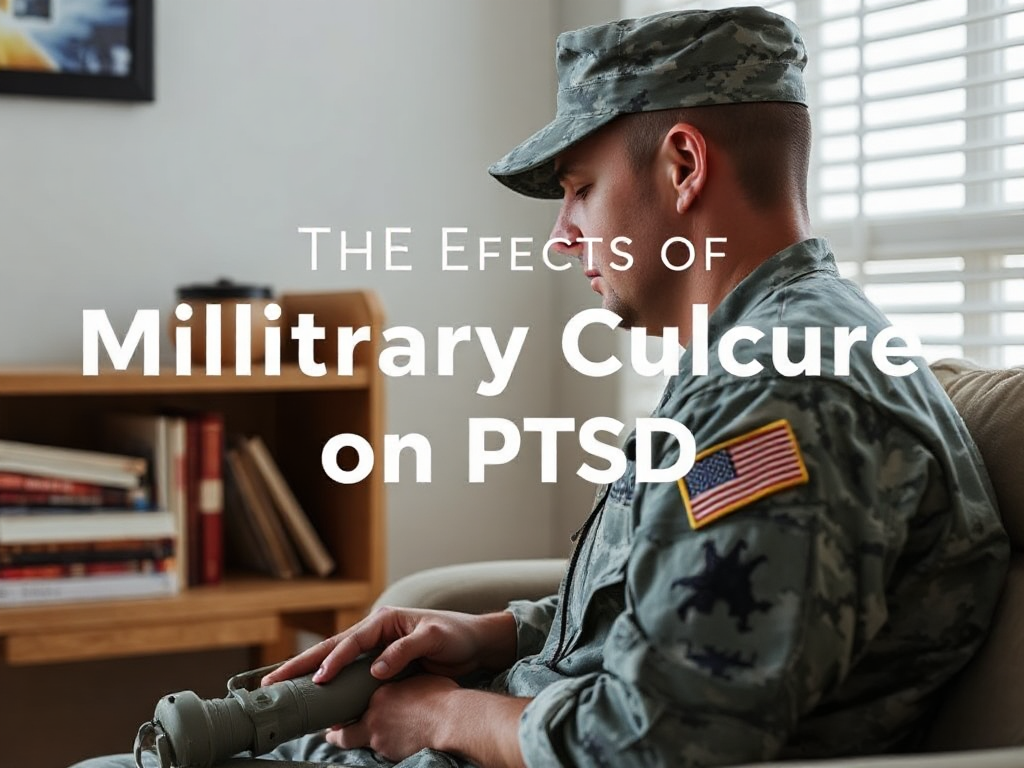
Military culture profoundly influences how PTSD is experienced and treated among service members. The emphasis on strength and self-reliance often leads to stigma surrounding mental health issues, causing individuals to hesitate in seeking help. This reluctance can delay necessary treatment, worsening symptoms over time. To combat this, military organizations should foster an environment that encourages open discussions about mental health and normalizes seeking support. Implementing peer support programs with trained professionals can help bridge the gap, providing a safe space for service members to share their experiences and access vital resources.
Cultural Stigma and Its Impact on Help-Seeking
The military culture often emphasizes strength, resilience, and self-sufficiency, which can create a stigma against seeking mental health support. Service members may fear being perceived as weak or unfit for duty, leading to a reluctance to acknowledge PTSD symptoms. This stigma can delay diagnosis and treatment, exacerbating the condition over time.
Many military personnel internalize the belief that they should handle their problems independently. This mindset can prevent them from accessing vital resources and support networks. For instance, a soldier experiencing anxiety or flashbacks may choose to cope alone rather than reach out for help, which can worsen their mental health. Combatting this stigma requires a cultural shift within military organizations that promotes openness and normalizes mental health conversations.
Support Systems in Military Culture
Support systems within the military can play a dual role in either alleviating or worsening PTSD symptoms. On one hand, tight-knit camaraderie among service members can provide emotional support and a sense of belonging. On the other hand, if these support systems reinforce stigma or fail to address mental health needs, they can contribute to feelings of isolation.
For example, while peer support programs may offer a platform for sharing experiences, they can also inadvertently perpetuate a culture of silence if not managed sensitively. Effective support systems should include trained professionals who can facilitate discussions about mental health and provide resources for those struggling with PTSD. Encouraging open dialogue about mental health in military settings can foster an environment where seeking help is viewed as a strength rather than a weakness.
Treatment Approaches for PTSD in Military Contexts
Addressing PTSD within the military requires tailored treatment approaches that consider the unique cultural context. Evidence-based therapies, such as cognitive-behavioral therapy (CBT) and exposure therapy, have shown effectiveness in treating PTSD. However, the implementation of these therapies must be adapted to fit military culture.
For instance, integrating peer support with traditional therapy can create a more relatable treatment experience for service members. Additionally, promoting resilience training and stress management techniques can equip military personnel with tools to cope with trauma before it escalates into PTSD. Collaboration between mental health professionals and military leadership is essential to ensure that treatment approaches are culturally sensitive and effective.
Frequently Asked Questions
What is the primary cause of PTSD in military personnel?
The primary cause of PTSD in military personnel is exposure to traumatic events, such as combat, which can lead to lasting psychological effects.
How does military culture influence mental health treatment?
Military culture often emphasizes resilience and self-sufficiency, which can create barriers to seeking mental health treatment and affect recovery.
What role do support systems play in managing PTSD?
Support systems can provide emotional stability and understanding, but they may also perpetuate stigma if not structured to encourage open discussions about mental health.
Are there effective treatments for PTSD in military settings?
Yes, treatments like cognitive-behavioral therapy and exposure therapy are effective, especially when tailored to the military context.
How can military organizations reduce stigma around mental health?
Military organizations can reduce stigma by promoting open conversations about mental health and providing training that emphasizes vulnerability as a strength.
Conclusion
The effects of military culture on PTSD are profound, influencing how service members perceive mental health and seek help. Addressing stigma, enhancing support systems, and implementing effective treatment approaches are essential for improving outcomes for those affected by PTSD. By fostering a culture of openness and understanding, military organizations can better support their personnel and promote healthier coping mechanisms.