
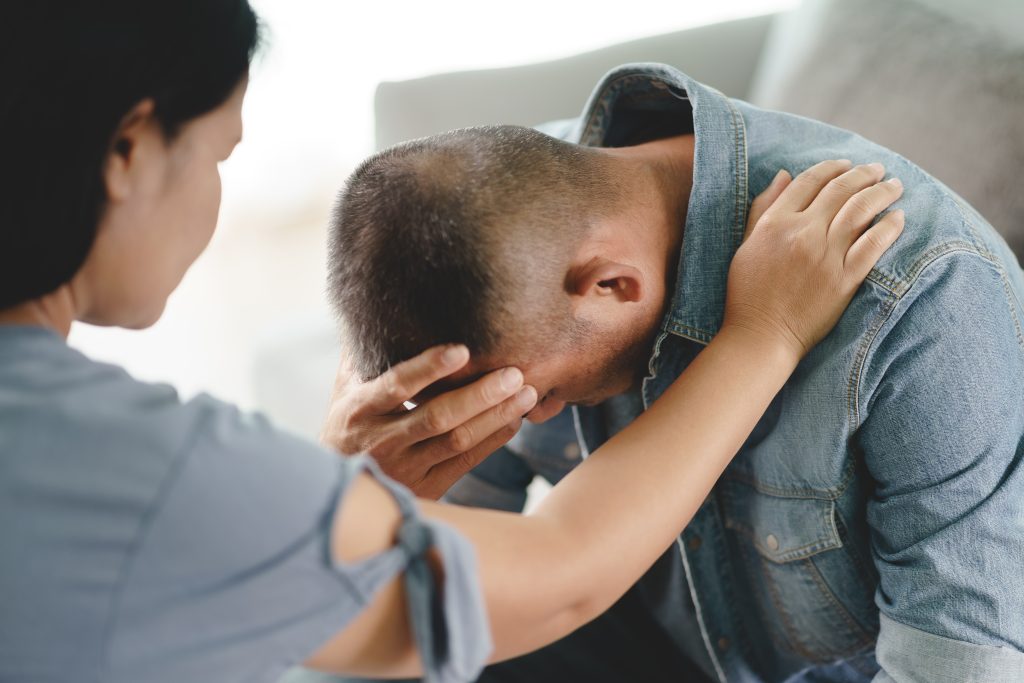
Effective communication is key when supporting someone with PTSD. This means actively listening without judgment and validating their feelings. Many partners mistakenly believe they can fix their loved one’s trauma, but this can lead to frustration and resentment. Instead, focus on being present and offering support without trying to solve their problems. Encourage them to share their feelings and experiences at their own pace, and be patient with their emotional responses.
Another common mistake is neglecting self-care. Supporting someone with PTSD can be emotionally taxing, and it’s essential to maintain your own mental health. Set boundaries to ensure you have time for yourself and seek support from friends, family, or professionals if needed. Prioritizing your well-being allows you to be a more effective partner and avoid burnout.
Understanding PTSD and Its Impact on Relationships
To effectively support a partner with PTSD, it is crucial to understand the condition itself. PTSD is often the result of experiencing or witnessing a traumatic event, leading to symptoms such as anxiety, avoidance, and emotional numbness. These symptoms can create significant challenges in relationships, including communication breakdowns and emotional distance.
Many partners may not fully grasp the extent of their loved one’s struggles, leading to frustration or misinterpretation of behaviors. For instance, a partner may withdraw during stressful times, which can be mistaken for disinterest or rejection. Recognizing that these behaviors are symptoms of PTSD allows for more compassionate responses and encourages patience.
It’s also important to note that PTSD can manifest differently in each individual. Some may experience hyper-vigilance or irritability, while others may struggle with depression or avoidance. Understanding these variations can help partners tailor their support strategies effectively. Engaging in education about PTSD can also foster empathy and improve communication between partners.
Creating a Safe Environment for Open Communication
Creating a safe environment is fundamental to fostering open communication with a partner who has PTSD. This involves establishing trust and ensuring that your partner feels secure when sharing their feelings. Avoiding criticism or judgment during conversations is crucial, as it can lead to further withdrawal.
Encourage your partner to express their thoughts and emotions, even if the conversation is difficult. Using open-ended questions can help facilitate dialogue. For example, ask, “How do you feel about what happened?” or “What can I do to support you right now?” This approach shows that you care and are willing to listen.
Moreover, be mindful of your partner’s triggers. Certain topics or situations may evoke anxiety or distress, so it’s essential to navigate these conversations with sensitivity. Establishing a safe word or signal can also help your partner communicate their need for a break during challenging discussions.
Emotional Tools for Supporting Your Partner
Utilizing emotional tools can enhance your ability to support a partner with PTSD. One effective strategy is to practice active listening, which involves fully concentrating on what your partner is saying and responding thoughtfully. This can help your partner feel heard and validated.
Additionally, consider incorporating grounding techniques into your interactions. These techniques can help your partner manage anxiety and reorient themselves during distressing moments. Simple exercises like deep breathing, mindfulness, or focusing on sensory experiences can provide immediate relief.
Another valuable tool is to encourage routine and stability. Establishing predictable patterns in daily life can create a sense of normalcy and safety for your partner. Engaging in regular activities together, such as exercise or hobbies, can promote bonding and provide a distraction from distressing thoughts.
Recognizing When Professional Help is Needed
While providing support is essential, it’s also critical to recognize when professional help is necessary. If your partner’s symptoms worsen or they express thoughts of self-harm, it is vital to encourage them to seek help from a mental health professional. This can be a daunting step for many individuals, and your support can make a significant difference.
Discussing the benefits of therapy, such as processing trauma and learning coping strategies, can help normalize the idea of seeking help. You might also offer to accompany your partner to appointments, which can alleviate anxiety about the process.
It’s important to approach this topic delicately. Frame conversations around professional help as a way to enhance their well-being rather than implying they cannot manage their symptoms alone. This perspective can empower your partner to take proactive steps toward healing.
Further Reading
For those looking to deepen their understanding of PTSD and how to support a partner, consider exploring resources from reputable organizations such as the National Center for PTSD and the Anxiety and Depression Association of America, which provide valuable insights and guidance.
Further Reading
Authoritative Sources
- MedlinePlus
medlineplus.govConsumer-friendly medical and health information from the U.S. National Library of Medicine.
- National Institutes of Health
nih.govResearch-based health information and links to authoritative medical resources.
- Centers for Disease Control and Prevention
cdc.govOfficial public health guidance, prevention resources, and topic-specific recommendations.
- Mayo Clinic
mayoclinic.orgTrusted clinical guidance, symptom explainers, and treatment overviews.
- World Health Organization
who.intGlobal health guidance, fact sheets, and evidence-based public health information.
Frequently Asked Questions
What are the signs of PTSD in a partner?
Common signs of PTSD include flashbacks, avoidance of reminders of the trauma, negative changes in mood, and heightened anxiety. Observing these symptoms can help you understand your partner’s experiences.
How can I communicate effectively with my partner who has PTSD?
Practice active listening, avoid judgment, and ask open-ended questions to encourage dialogue. Creating a safe space for your partner to express their feelings is crucial.
What should I avoid saying to my partner with PTSD?
Avoid minimizing their experiences or suggesting they should just