
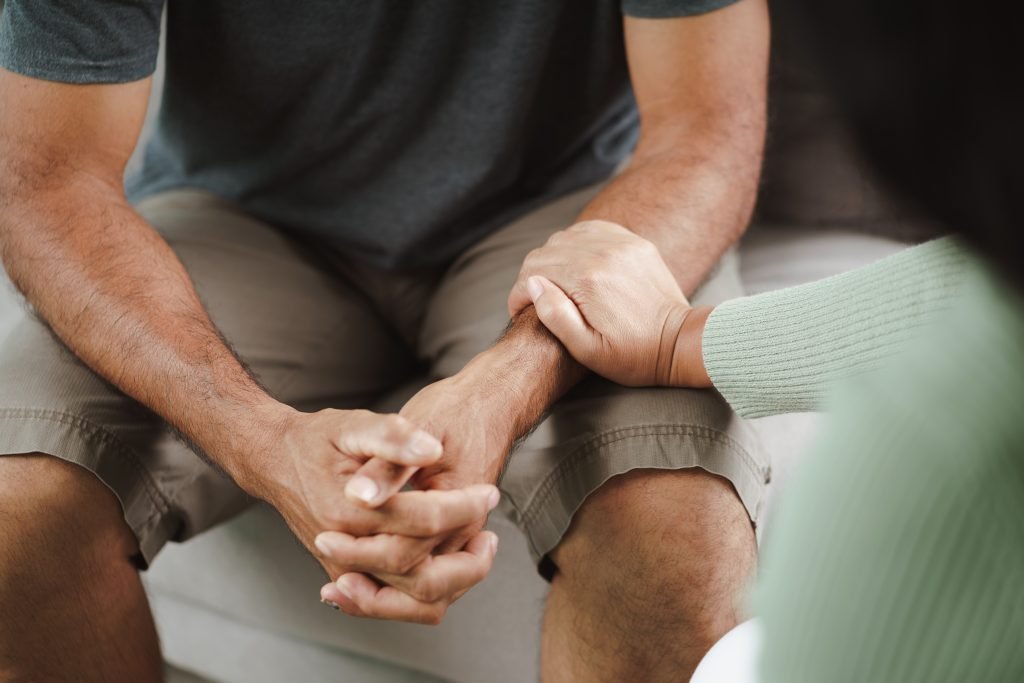
Establishing a consistent daily routine is one of the most effective ways to create stability. Routines provide structure, which can be comforting for individuals dealing with PTSD. Additionally, engaging in mindfulness practices, such as meditation or deep breathing exercises, can help ground individuals when they feel overwhelmed. It’s also crucial to recognize triggers that may exacerbate symptoms and develop strategies to cope with them effectively.
Another key aspect of managing PTSD day to day is seeking support from mental health professionals and connecting with others who understand the experience. Support groups can offer a sense of belonging and validation, while therapy can provide tailored strategies to address specific symptoms. Prioritizing self-care is vital; regular exercise, a balanced diet, and adequate sleep can significantly influence mood and overall mental health.
Understanding PTSD Symptoms
PTSD symptoms can manifest in various ways, including intrusive thoughts, hypervigilance, and emotional numbing. Understanding these symptoms is crucial for effective management. Many individuals may not recognize their symptoms as part of PTSD, leading to feelings of isolation and confusion.
Recognizing the signs of PTSD is the first step in addressing them. Symptoms may vary over time and can be triggered by specific events or reminders of past trauma. Individuals should take note of their experiences and how they correlate with their daily lives.
It’s essential to understand that symptoms can fluctuate, and what works for one person may not work for another. Tailoring coping strategies to fit personal experiences can lead to more effective management.
Creating a Daily Routine
A structured daily routine serves as an anchor for individuals living with PTSD. Consistency can foster a sense of control and predictability, which is often lacking in the lives of those affected by trauma.
When creating a routine, it’s important to include time for self-care, work, and leisure activities. Balancing responsibilities with enjoyable activities can help alleviate stress. Additionally, incorporating regular physical activity can boost mood and reduce anxiety.
Individuals should remain flexible with their routines, allowing for adjustments as needed. Recognizing when to take breaks and when to push through can be a delicate balance that requires ongoing self-assessment.
Mindfulness and Relaxation Techniques
Practicing mindfulness can significantly reduce the intensity of PTSD symptoms. Techniques such as meditation, yoga, and deep breathing exercises help individuals stay present and manage anxiety.
Mindfulness encourages individuals to observe their thoughts and feelings without judgment. This practice can create distance from overwhelming emotions, making them easier to manage. Moreover, incorporating relaxation techniques into daily routines can help mitigate stress responses.
Individuals new to mindfulness should start with short sessions and gradually increase the duration as they become more comfortable. It’s important to find techniques that resonate personally, as different methods may work better for different individuals.
The Importance of Support
Building a support network is crucial for anyone living with PTSD. Professional support from therapists or counselors can provide valuable coping strategies tailored to individual needs.
Support groups offer a safe space to share experiences and connect with others facing similar challenges. This sense of community can alleviate feelings of isolation and provide encouragement in the recovery journey.
It’s important to communicate openly with friends and family about your needs. Educating loved ones about PTSD can foster understanding and empathy, leading to stronger support systems.
Further Reading
Authoritative Sources
- MedlinePlus
medlineplus.govConsumer-friendly medical and health information from the U.S. National Library of Medicine.
- National Institutes of Health
nih.govResearch-based health information and links to authoritative medical resources.
- Centers for Disease Control and Prevention
cdc.govOfficial public health guidance, prevention resources, and topic-specific recommendations.
- Mayo Clinic
mayoclinic.orgTrusted clinical guidance, symptom explainers, and treatment overviews.
- World Health Organization
who.intGlobal health guidance, fact sheets, and evidence-based public health information.
Frequently Asked Questions
What are the common symptoms of PTSD?
Common symptoms include flashbacks, nightmares, severe anxiety, and uncontrollable thoughts about the traumatic event.
How can I create a routine that helps manage PTSD?
Incorporate regular activities that provide structure, including self-care, work, and leisure, while allowing for flexibility as needed.
What mindfulness techniques are effective for PTSD?
Effective techniques include meditation, yoga, and deep breathing exercises, which help ground individuals and reduce anxiety.
Why is support important for managing PTSD?
Support from professionals and peers can provide valuable coping strategies, reduce feelings of isolation, and foster a sense of community.
How can I educate my loved ones about PTSD?
Share resources and personal experiences to help them understand the condition better and foster empathy and support.
Conclusion
Living with PTSD day to day can be challenging, but implementing practical coping techniques can significantly improve daily functioning and emotional well-being. Prioritizing a structured routine, practicing mindfulness, and seeking support are essential steps toward managing symptoms effectively. Understanding personal triggers and employing self-care strategies can lead to a more fulfilling life, despite the challenges posed by PTSD. Taking proactive steps and connecting with supportive communities can make a profound difference in the recovery journey.