
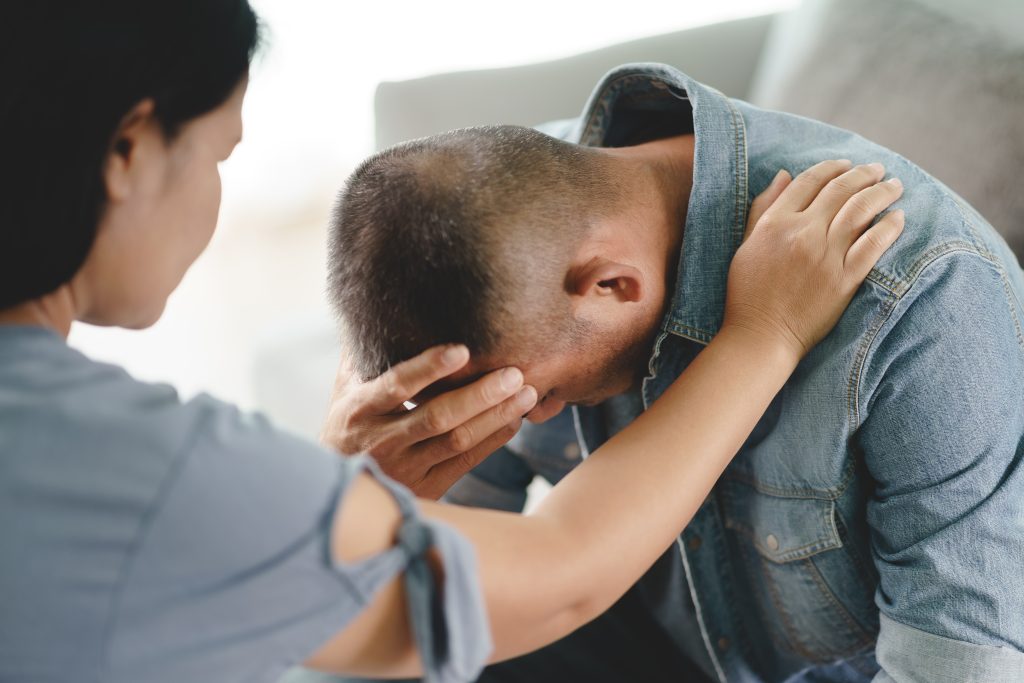
Understanding the triggers and symptoms of PTSD is vital. Friends should recognize that certain situations may provoke anxiety or flashbacks. Patience is key, as recovery can be a long process. Avoid pushing them to talk about their experiences unless they are ready. Instead, offer a safe space for them to share when they feel comfortable.
Many people mistakenly believe that they must have all the answers or solutions for their friend. However, simply being present, showing compassion, and offering a listening ear can be incredibly beneficial. Additionally, it’s essential to prioritize self-care for yourself as a supporter, as this emotional investment can be draining.
Understanding PTSD Symptoms
Recognizing symptoms of PTSD is the first step in providing effective support. Common symptoms include flashbacks, nightmares, severe anxiety, and uncontrollable thoughts about the traumatic event. Understanding these symptoms can help friends respond appropriately. For instance, if a friend experiences a flashback, it might be helpful to gently remind them that they are safe and present.
It is also important to understand that each individual may experience PTSD differently. Some may withdraw from social situations, while others may exhibit anger or irritability. Being observant and responsive to their specific behaviors can guide you in how best to help.
Friends often assume that offering advice or minimizing the situation will help, but this can be counterproductive. Instead, acknowledging their feelings and validating their experiences is more effective. Encourage open dialogue about their feelings without judgment, allowing them to express themselves freely.
How to Offer Emotional Support
Emotional support can take many forms. One of the most effective ways to support a friend with PTSD is to listen actively. This means being fully present during conversations, showing empathy, and responding thoughtfully. Avoid interrupting or offering unsolicited advice, as this can make your friend feel unheard.
Participating in activities that promote relaxation, such as yoga, meditation, or even simple walks in nature, can also be beneficial. These activities can provide a distraction and foster a sense of normalcy. Moreover, inviting your friend to engage in social activities can help combat isolation, but it’s important to be sensitive to their comfort levels.
Many friends underestimate the power of small gestures. Simple acts like sending a supportive text or inviting them for coffee can show that you care and are there for them. Consistency in your support is crucial; check in regularly to reinforce your presence in their life.
Encouraging Professional Help
While friends can provide vital support, professional help from a therapist or counselor is often necessary for managing PTSD. Encourage your friend to seek therapy by discussing the benefits of professional support. Help them research local therapists or support groups, and offer to accompany them if they feel anxious about going alone.
It’s essential to be supportive without being pushy. Some individuals may feel reluctant to seek help due to stigma or fear of judgment. Reassuring them that seeking help is a sign of strength can encourage them to take that step.
Additionally, educate yourself about different treatment options, such as cognitive behavioral therapy (CBT) or EMDR (Eye Movement Desensitization and Reprocessing). Understanding these methods can help you discuss them with your friend in a supportive manner.
Common Mistakes to Avoid
When supporting a friend with PTSD, several common mistakes should be avoided. One major pitfall is attempting to offer solutions or telling them to “just get over it.” Such statements can feel dismissive and may worsen their emotional state. Instead, focus on listening and validating their experiences.
Another mistake is downplaying their feelings or experiences. Statements like “others have it worse” can invalidate their pain. It’s crucial to recognize that everyone’s experience is unique and that their feelings are legitimate.
In summary, neglecting your own emotional health can lead to burnout. Supporting someone with PTSD can be challenging, so ensure you are also taking care of your needs. Establish boundaries when necessary and seek support for yourself if you find the situation overwhelming.
Further Reading
Authoritative Sources
- National Center for PTSD
ptsd.va.govThis resource provides comprehensive information about PTSD, including symptoms, treatment options, and support strategies
- National Alliance on Mental Illness (NAMI)
nami.orgNAMI offers support and information for individuals with mental health conditions, including resources for friends and family
- Verywell Mind
verywellmind.comA reliable source for mental health advice, including articles on supporting someone with PTSD
Frequently Asked Questions
What are the signs that my friend may have PTSD?
Common signs include flashbacks, nightmares, severe anxiety, and avoidance of reminders of the trauma.
How can I help my friend without overwhelming them?
Offer support by listening, being present, and inviting them to engage in activities without pressure.
Is it okay to ask my friend about their trauma?
No, it’s important to let them share when they feel ready. Pressuring them can lead to further anxiety.
What should I do if my friend has a panic attack?
Stay calm, reassure them they are safe, and help them focus on their breathing until the episode passes.
How can I take care of myself while supporting a friend with PTSD?
Set boundaries, seek support for yourself, and ensure you are engaging in self-care practices.