
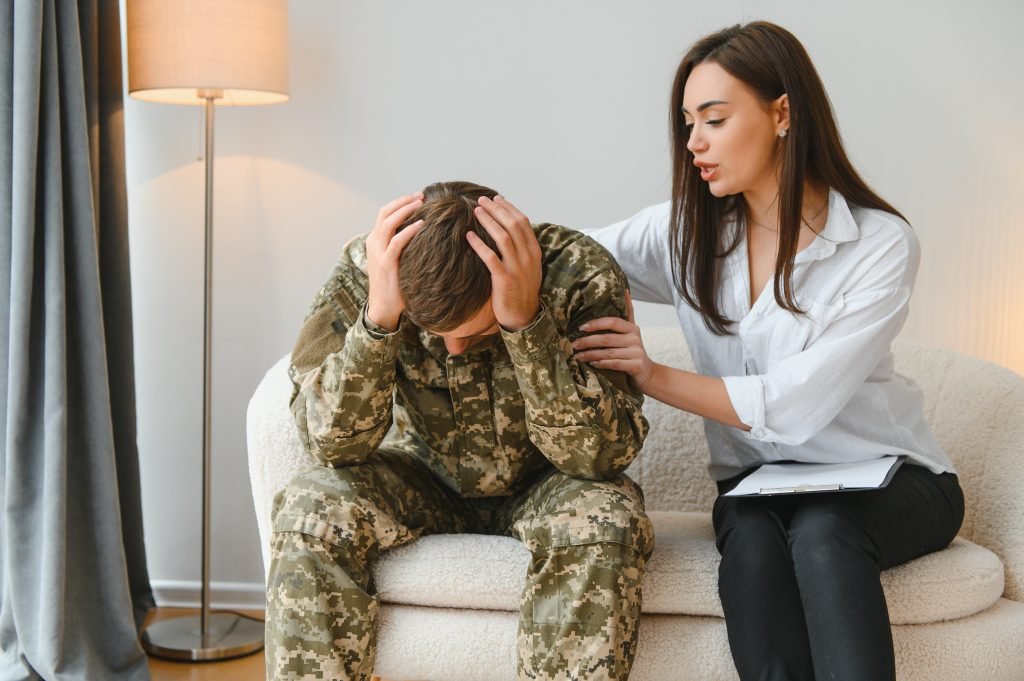
Social interactions can become daunting for those with PTSD. Triggers related to past trauma may surface in social settings, leading to heightened anxiety or panic. Additionally, the inability to share feelings or experiences can create a sense of loneliness. Recognizing these challenges allows individuals to seek appropriate support and develop coping strategies.
Common misconceptions about PTSD include the belief that individuals should simply ‘get over it’ or that they prefer solitude. In reality, many want to engage socially but feel trapped by their symptoms. Addressing these misunderstandings can help create a more empathetic environment, enabling those with PTSD to feel more secure in seeking connections.
The Nature of PTSD and Its Social Effects
PTSD can lead to significant changes in how individuals interact socially. The persistent reliving of trauma can make ordinary social situations feel overwhelming. This often results in avoidance behaviors, where individuals steer clear of places or people that remind them of their trauma. Understanding this can help friends and family provide the necessary support.
Social withdrawal is a common symptom, but it can also lead to feelings of guilt and shame for the individual. They may feel they are letting down loved ones by not participating in social gatherings. It’s important to emphasize that these reactions are part of the disorder and not a reflection of their feelings toward others.
Moreover, the fear of being misunderstood or judged can exacerbate isolation. Individuals may feel their experiences are too complex for others to grasp, leading to further withdrawal. Recognizing this barrier is vital for fostering understanding and connection.
Communication Barriers in Social Settings
Individuals with PTSD often face significant communication challenges. They may struggle to articulate their feelings or may become easily overwhelmed when discussing their experiences. This can lead to misunderstandings and frustration for both parties involved.
It’s essential for friends and family to approach conversations with sensitivity. Open-ended questions can encourage dialogue without putting pressure on the individual to share more than they are comfortable with. Understanding non-verbal cues is equally important, as individuals may express discomfort or anxiety through body language.
Additionally, those with PTSD may experience flashbacks or heightened emotional responses during conversations, which can disrupt communication. Creating a safe space for discussions can help mitigate these challenges. It’s crucial for loved ones to remain patient and supportive, allowing the individual to express themselves at their own pace.
Strategies for Rebuilding Social Connections
Rebuilding social connections after experiencing PTSD involves intentional steps. Starting with small, manageable interactions can ease the pressure of larger social gatherings. Engaging in activities that promote relaxation, such as yoga or art therapy, can also facilitate socialization in a less intimidating environment.
Support groups specifically for PTSD can be beneficial. These groups provide a safe space for individuals to share experiences and connect with others who understand their struggles. The shared sense of community can help reduce feelings of isolation.
Moreover, setting realistic expectations is key. Individuals should recognize that rebuilding social connections is a gradual process. Celebrating small victories, such as attending a gathering for a short time, can foster a sense of achievement and encourage further engagement.
The Role of Support Systems
A strong support system is vital for individuals with PTSD. Friends and family play an essential role in creating an environment that promotes healing. This involves not only being present but also actively listening and validating the individual’s feelings.
Encouraging open communication and regular check-ins can help individuals feel valued and understood. Additionally, educating oneself about PTSD can empower loved ones to provide more effective support. Understanding the symptoms and challenges associated with PTSD can foster empathy and reduce frustration.
Ultimately, encouraging professional help, such as therapy or counseling, can enhance recovery. Professionals can offer strategies tailored to the individual’s needs, helping them navigate social interactions and rebuild their lives.
Further Reading
Authoritative Sources
- American Psychological Association: PTSD
apa.orgProvides comprehensive information about PTSD, including symptoms, treatment options, and resources for support
- The Impact of PTSD on Relationships
ncbi.nlm.nih.govResearch article discussing how PTSD affects interpersonal relationships and communication
- Understanding PTSD and Relationships
verywellmind.comExplains the dynamics of PTSD in social contexts and offers strategies for maintaining relationships
Frequently Asked Questions
How does PTSD affect social interactions?
PTSD can lead to withdrawal from social situations, anxiety in social settings, and difficulties in communication, making interactions challenging.
What are common misconceptions about PTSD?
Many believe individuals with PTSD prefer solitude or should simply overcome their symptoms, which overlooks the complexity of their experiences.
How can loved ones support someone with PTSD?
Support can involve listening without judgment, encouraging open communication, and educating oneself about PTSD to provide informed assistance.
What role do support groups play in recovery?
Support groups offer a sense of community and understanding, allowing individuals to connect with others who share similar experiences.
What steps can individuals take to rebuild social connections?
Starting with small interactions, engaging in calming activities, and setting realistic expectations can help ease the process of reconnecting socially.
Conclusion
Understanding how PTSD impacts social life is crucial for both individuals affected and their loved ones. By recognizing the challenges faced in communication and social settings, supportive strategies can be developed to foster recovery. Building strong support systems, encouraging professional help, and gradually re-engaging socially can significantly improve the quality of life for those living with PTSD. Prioritizing empathy and patience will facilitate connections that are essential for healing.