
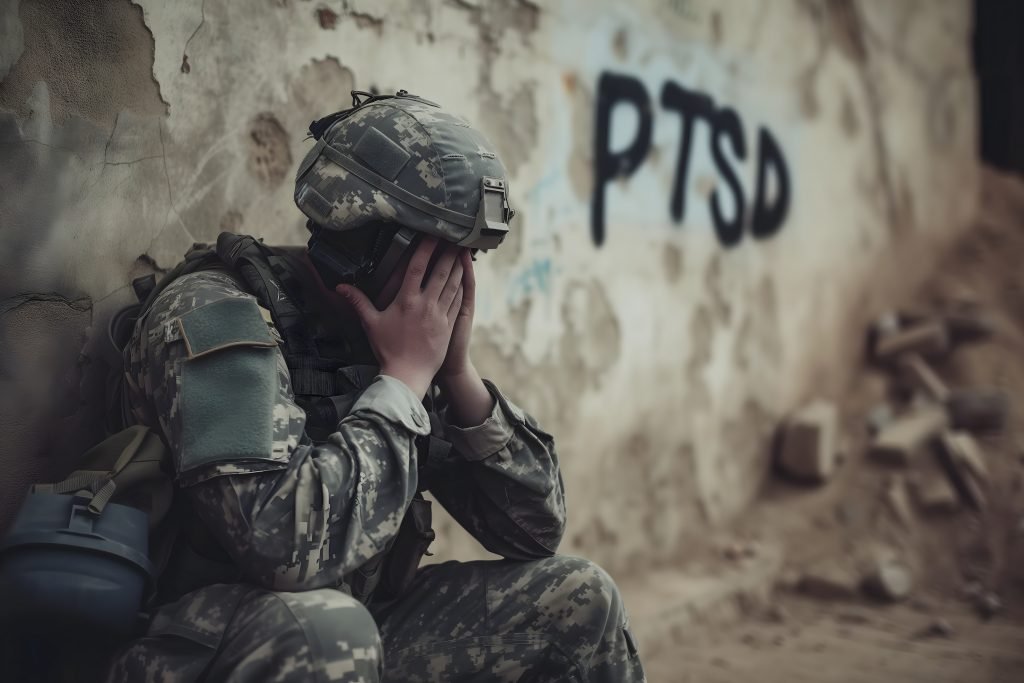
One of the primary ways PTSD affects relationships is through altered communication patterns. Individuals may find it challenging to express their feelings or may misinterpret their partner’s intentions, leading to conflicts and emotional disconnection. Additionally, symptoms like irritability or hyper-vigilance can create an environment of tension, making it hard for partners to navigate their interactions. Recognizing these dynamics is essential for both individuals with PTSD and their loved ones to rebuild trust and improve communication.
A common mistake is assuming that individuals with PTSD will openly share their experiences and feelings. In reality, many may feel overwhelmed by their emotions or fear judgment, leading to silence or withdrawal. Partners should approach conversations with patience and understanding, creating a safe space for dialogue. Establishing boundaries and discussing triggers can also help in managing interactions more effectively, ensuring both parties feel respected and valued.
Emotional Distance: Causes and Consequences
Emotional distance in relationships affected by PTSD often stems from the individual’s struggle to manage their feelings. The person with PTSD may feel overwhelmed by their emotions, leading to avoidance behavior that can alienate their partner. This distancing can cause feelings of rejection and confusion for loved ones, who may not understand the reasons behind this behavior.
This emotional detachment can create a cycle of misunderstanding where the partner feels neglected, and the person with PTSD feels pressured, leading to further withdrawal. It is essential to address these feelings openly and honestly, as recognizing the root causes of emotional distance can help both partners work towards reconnecting.
To mitigate emotional distance, couples should prioritize open communication and set aside time to discuss feelings and experiences. Engaging in joint activities that foster connection can also help bridge the gap, allowing both partners to feel more secure and understood in the relationship.
Communication Barriers: Strategies for Improvement
Communication barriers can significantly hinder relationships affected by PTSD. Individuals with PTSD may struggle to articulate their feelings or may misinterpret their partner’s words and actions, leading to conflicts and frustration. Developing effective communication strategies is crucial for improving understanding and connection.
One effective strategy is to implement “check-ins,” where both partners take time to discuss their emotional states and any triggers that may have arisen. This proactive approach helps create a routine of openness, allowing both parties to express their needs and concerns without fear of judgment. Additionally, using “I” statements can help to express feelings without placing blame, fostering a more constructive dialogue.
Couples should also be mindful of non-verbal communication, as body language and tone can significantly impact how messages are received. Practicing active listening—where partners fully engage and respond to each other—can further strengthen communication and reduce misunderstandings.
Building Trust: Steps to Reconnect
Rebuilding trust in relationships affected by PTSD requires patience, understanding, and consistent effort from both partners. Trust may be compromised due to past traumas or emotional unavailability, making it essential to create a supportive environment where both individuals feel safe.
One effective step is to establish clear boundaries and expectations regarding emotional availability and communication. Discussing triggers and developing a mutual understanding of how to navigate them can also bolster trust. Regularly expressing appreciation and validation can further reinforce positive interactions, helping both partners feel valued and respected.
Couples should also consider seeking professional support through therapy or counseling, which can provide tools and strategies for rebuilding trust and improving relationship dynamics. A trained therapist can facilitate conversations and help identify patterns that may hinder progress.
Coping Together: Support Strategies for Partners
Supporting a partner with PTSD requires an understanding of their unique challenges and needs. Partners can help by being patient and empathetic, recognizing that their loved one may not always be able to communicate effectively.
Developing coping strategies together can enhance the relationship. For instance, practicing mindfulness techniques or engaging in physical activities can help both individuals manage stress and improve emotional regulation. Additionally, establishing a support network can provide both partners with resources and encouragement outside the relationship.
Regularly checking in on each other’s emotional states can help ensure that both partners feel supported and understood. This ongoing dialogue reinforces the bond and fosters a sense of teamwork in navigating the complexities of PTSD.
Further Reading
Authoritative Sources
- MedlinePlus
medlineplus.govConsumer-friendly medical and health information from the U.S. National Library of Medicine.
- National Institutes of Health
nih.govResearch-based health information and links to authoritative medical resources.
- Centers for Disease Control and Prevention
cdc.govOfficial public health guidance, prevention resources, and topic-specific recommendations.
- Mayo Clinic
mayoclinic.orgTrusted clinical guidance, symptom explainers, and treatment overviews.
- World Health Organization
who.intGlobal health guidance, fact sheets, and evidence-based public health information.
Frequently Asked Questions
What are common signs of PTSD affecting relationships?
Common signs include emotional withdrawal, difficulty communicating, increased irritability, and misunderstandings about intentions.
How can partners support each other when one has PTSD?
Partners can support each other by practicing open communication, establishing boundaries, and engaging in joint activities that foster connection.
Is therapy beneficial for couples dealing with PTSD?
Yes, therapy can provide couples with tools to improve communication, rebuild trust, and navigate the complexities of PTSD together.
What should I avoid when communicating with a partner with PTSD?
Avoid blaming language, assumptions about their feelings, and pressure to share experiences they may not be ready to discuss.
Can PTSD symptoms change over time in relationships?
Yes, PTSD symptoms can fluctuate, affecting relationships differently at various stages; ongoing communication is essential for managing these changes.
Conclusion
Understanding how PTSD affects relationships is vital for fostering empathy and support among loved ones. By recognizing the challenges, such as emotional distance and communication barriers, partners can work towards rebuilding trust and enhancing their connection. Prioritizing open dialogue, establishing boundaries, and practicing patience can significantly improve the dynamics of relationships impacted by PTSD. Seeking professional help can further provide valuable strategies for coping together, ensuring both partners feel supported and understood as they navigate this journey.