
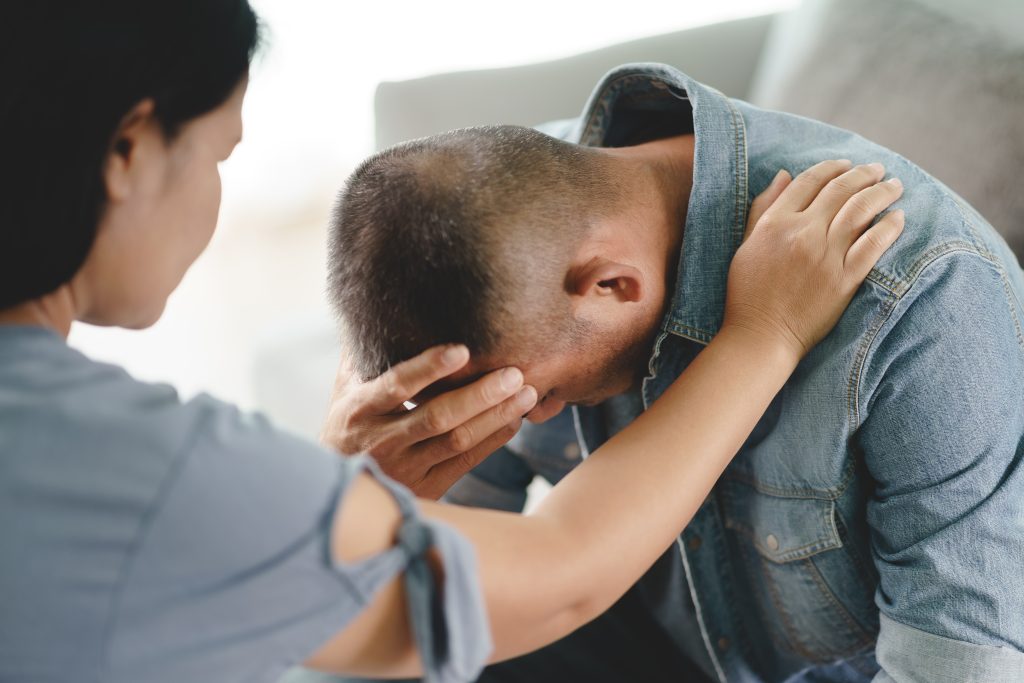
It’s equally important to communicate openly. Regular check-ins can foster connection, allowing your loved one to share their feelings without fear of judgment. However, it’s vital to strike a balance; avoid pushing them to talk if they’re not ready. Recognize the signs of distress and respond with compassion. Mistakes often stem from misunderstanding their needs or inadvertently bringing up traumatic memories, so approaching conversations with care is crucial.
In addition to supporting your loved one, don’t forget to take care of your own mental health. Supporting someone with PTSD can be emotionally taxing, and maintaining your well-being is essential for providing effective support. Engage in self-care practices and seek support from friends or professionals if needed.
Understanding PTSD and Its Impact
Post-Traumatic Stress Disorder (PTSD) can significantly alter an individual’s emotional landscape. Understanding the symptoms—such as flashbacks, anxiety, and emotional numbness—can help you provide better support. Recognizing that these reactions are often involuntary is crucial; your loved one may not have control over their responses to certain triggers.
Many individuals with PTSD experience a disconnect from their previous selves, feeling isolated and misunderstood. This isolation can be exacerbated by stigma or lack of knowledge among peers. Therefore, fostering an environment of understanding and patience is essential. Acknowledge their experiences without minimizing their pain, which can make them feel more validated and less alone.
Common mistakes include making assumptions about what they need or how they should feel. Each person’s experience with PTSD is unique, and thus, understanding their specific triggers and coping mechanisms is vital. Encourage open dialogue about what support looks like for them.
Effective Communication Strategies
Clear and compassionate communication is a cornerstone of supporting someone with PTSD. Start by practicing active listening; give them your full attention, allowing them to express their thoughts without interruption. This approach not only validates their feelings but also reinforces trust.
When discussing sensitive topics, ask open-ended questions that invite them to share at their own pace. Phrases like, “What do you need from me right now?” can open up dialogue without pressure. Additionally, it’s important to avoid judgmental comments or unsolicited advice, which can trigger feelings of shame or defensiveness.
Be aware of your body language and tone, as these can communicate more than words. Maintaining a calm demeanor can help them feel more secure. Remember, it’s not just about what you say, but how you say it. Also, avoid discussing their trauma in detail unless they initiate that conversation; this respect for their boundaries is crucial.
Practical Support Tips
Offering practical support can take many forms. Encouraging positive routines, such as regular exercise or mindfulness practices, can aid in their recovery. Suggesting enjoyable activities that help them relax can also create a sense of normalcy. However, it’s essential to respect their limits; not every suggestion will be appropriate at all times.
Consider accompanying them to therapy sessions if they are open to it. This shows support while allowing them to take the lead on what they need. Additionally, offering to help with daily tasks—like grocery shopping or household chores—can alleviate stress and provide them with the space to focus on healing.
However, be cautious not to enable avoidance behaviors. While it’s important to support them, encouraging gradual exposure to challenges can foster resilience. Striking a balance between support and empowerment is crucial for their growth.
Self-Care for Supporters
Supporting someone with PTSD can be emotionally draining, making self-care a necessity. Engage in activities that nurture your well-being, such as exercise, hobbies, or socializing with friends. Setting boundaries is also essential; know your limits and communicate them clearly to avoid burnout.
Consider seeking support for yourself, whether through counseling or support groups for caregivers. Sharing your experiences with others who understand can provide relief and new perspectives. Remember, you cannot pour from an empty cup; tending to your own mental health allows you to be a better support system.
Keep in mind that it’s normal to feel a range of emotions while supporting someone with PTSD. Recognizing and acknowledging your feelings can help you process them effectively. It’s a journey, and taking care of yourself is just as important as caring for your loved one.
Further Reading
Authoritative Sources
- National Center for PTSD
ptsd.va.govThis resource provides comprehensive information about PTSD, including treatment options and support resources
- National Alliance on Mental Illness (NAMI)
nami.orgNAMI offers support and education for those affected by mental illness, including PTSD
- American Psychological Association (APA)
apa.orgThe APA provides information on trauma and its effects, along with resources for coping and treatment
- Verywell Mind: What is PTSD?
verywellmind.comA concise overview of PTSD, its symptoms, and ways to support those affected
Frequently Asked Questions
What are the signs that my loved one has PTSD?
Signs of PTSD include flashbacks, avoidance of reminders of the trauma, heightened anxiety, and emotional numbness. Changes in mood or behavior may also indicate PTSD.
How can I encourage my loved one to seek help?
Encourage them gently by expressing your concern for their well-being. Offer to help them find a therapist or accompany them to appointments if they are comfortable.
What should I avoid saying to someone with PTSD?
Avoid minimizing their feelings, saying things like, “It could be worse,” or asking them to just move on. It’s crucial to validate their experience instead.
How can I manage my own feelings while supporting someone with PTSD?
Engage in self-care activities, set boundaries, and consider seeking support for yourself. It’s important to process your feelings and avoid burnout.
Is it normal to feel overwhelmed when supporting someone with PTSD?
Yes, it’s common to feel overwhelmed. Supporting someone with PTSD can be challenging, and recognizing your feelings is an important step in managing them.
Conclusion
Supporting a loved one with PTSD involves understanding their unique experiences and providing compassionate, patient support. Effective communication, practical assistance, and self-care are key components of this journey. By fostering a supportive environment, encouraging professional help, and prioritizing your own well-being, you can make a meaningful difference in their recovery process. Remember, it’s essential to remain patient and adaptable, as the healing journey can be unpredictable and require ongoing adjustment.