
PTSD Recovery

Guidance about PTSD Recovery, including subjects such as Common Mistakes Veterans Make When Seeking PTSD Support: Identifying Key Missteps and Effective Solutions and Barriers to Accessing Veteran Mental Health Resources: Identifying Misconceptions, Stigma, and Accessibility Issues.

PTSD Recovery

Self-Help Books About Trauma for PTSD Recovery: How to Choose

Self-help books about trauma for PTSD recovery are most useful when they explain symptoms clearly, teach manageable coping skills, respect personal pacing, and complement rather than replace professional care. Choose a book that matches your immediate need—such as grounding, sleep, understanding triggers, or preparing for therapy—instead of selecting the most comprehensive title.


PTSD Recovery

Therapists for Sexual Trauma and PTSD Recovery (7 Questions to Ask Before Your First Session)

Therapists for sexual trauma and PTSD recovery should combine appropriate clinical licensing with specific experience treating sexual violence, post-traumatic stress symptoms, dissociation, shame, and difficulties with trust or intimacy. A strong match will explain treatment options such as cognitive processing therapy, prolonged exposure, EMDR, or other trauma-focused approaches without pressuring…

PTSD Recovery

Trauma Recovery Coaching vs. Clinical PTSD Care: Roles, Limits, and a Safety Checklist

Trauma recovery coaching can help a person set routines, pursue practical goals, and maintain accountability, while clinical PTSD care assesses symptoms and uses licensed mental health treatment to address traumatic stress. Coaching does not replace diagnosis, psychotherapy, medication management, crisis intervention, or evaluation of worsening symptoms.

PTSD Recovery

Mental Trauma Healing Approaches That Support PTSD Recovery: Methods, Timing, and Progress Signs

Mental trauma healing approaches that support PTSD recovery combine safety, trauma-focused psychotherapy, nervous-system regulation, and steady reconnection with daily life. Evidence-based options such as cognitive processing therapy, prolonged exposure, and EMDR address traumatic memories and beliefs, while grounding, sleep care, and supportive relationships can improve readiness for that work.

PTSD Recovery

Trauma and Recovery Steps After a Distressing Event (A Practical Stabilization Plan)

Trauma recovery after a distressing event usually begins with immediate safety, basic physical care, manageable routines, supportive contact, and careful monitoring of stress reactions rather than forced emotional processing. Early responses may include intrusive memories, numbness, irritability, poor sleep, heightened alertness, or avoidance, and their intensity often changes over time.

PTSD Recovery

Trauma Stewardship for People Supporting PTSD Recovery — Boundaries, Warning Signs, and a Sustainable Plan

Trauma stewardship for people supporting PTSD recovery means staying compassionate without absorbing responsibility for another person’s safety, symptoms, or treatment progress. A sustainable approach combines clear role boundaries, deliberate recovery time after difficult conversations, awareness of secondary traumatic stress, and a plan for consultation or professional help when risk escalates.

PTSD Recovery

How Alcohol Withdrawal Can Temporarily Intensify PTSD Symptoms: Timing, Causes, And Safer Next Steps

How alcohol withdrawal can temporarily intensify PTSD symptoms is largely explained by rebound nervous-system activation, disrupted sleep, heightened startle responses, and reduced emotional control after alcohol’s sedating effects wear off. Withdrawal may make intrusive memories, irritability, hypervigilance, anxiety, and nightmares feel sharper without meaning that the underlying PTSD has permanently worsened.

PTSD Recovery

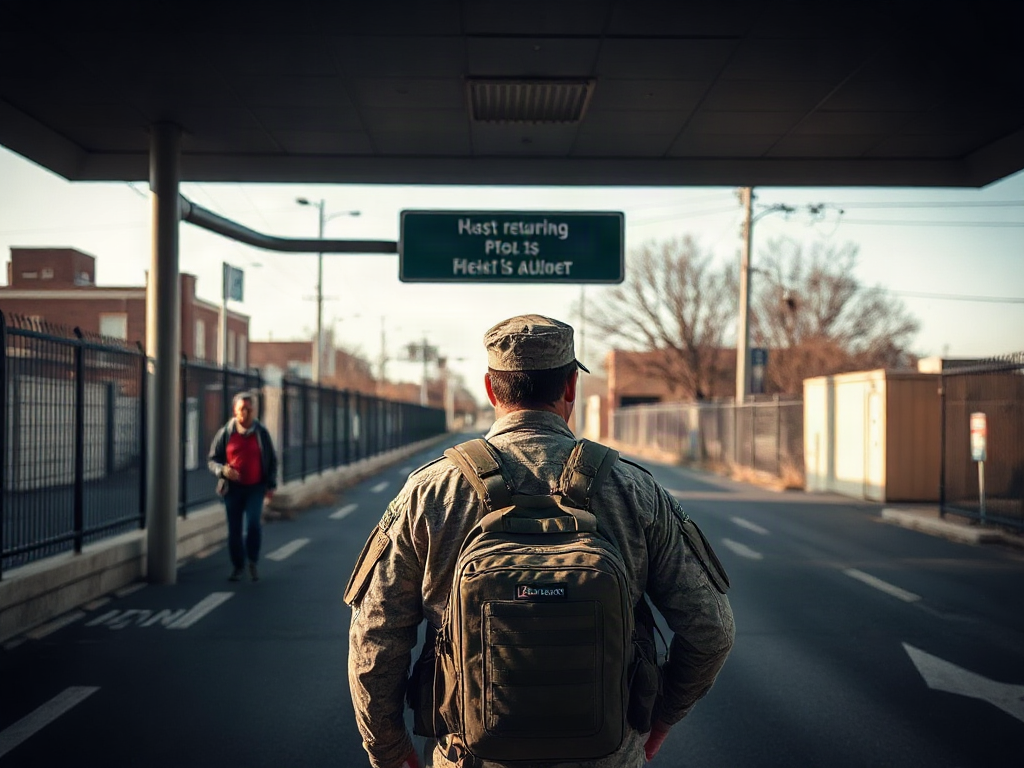
Why Returning to the Deployment Location Can Reactivate PTSD: Causes, Warning Signs, and Safer Reentry

Returning to the deployment location can reactivate PTSD because familiar sights, sounds, smells, routes, and social conditions may reconnect the brain with danger memories before a person consciously identifies the trigger. The location can also bring back survivor guilt, unresolved grief, loss of unit structure, or fear linked to specific…

PTSD Recovery

Why Returning to a Former Military Base Can Destabilize Recovery: Triggers, Preparation, and Safer Reentry

Returning to a former military base can destabilize recovery because familiar buildings, sounds, smells, routines, and unresolved memories may reactivate threat responses before a person has time to assess the present. A gate checkpoint, barracks layout, vehicle noise, or contact with former personnel can produce hypervigilance, dissociation, sleep disruption, irritability, or urges to avoid support.

PTSD Recovery

When PTSD Makes Crowded Airports Especially Difficult for Former Service Members: Triggers, Timing, and Coping Steps

When PTSD makes crowded airports especially difficult for former service members, dense crowds, unpredictable movement, security procedures, and limited control over personal space can activate threat responses linked to earlier trauma. Advance planning can reduce strain by choosing quieter travel times, building extra time into each airport stage, identifying exits…

Scroll to Top