
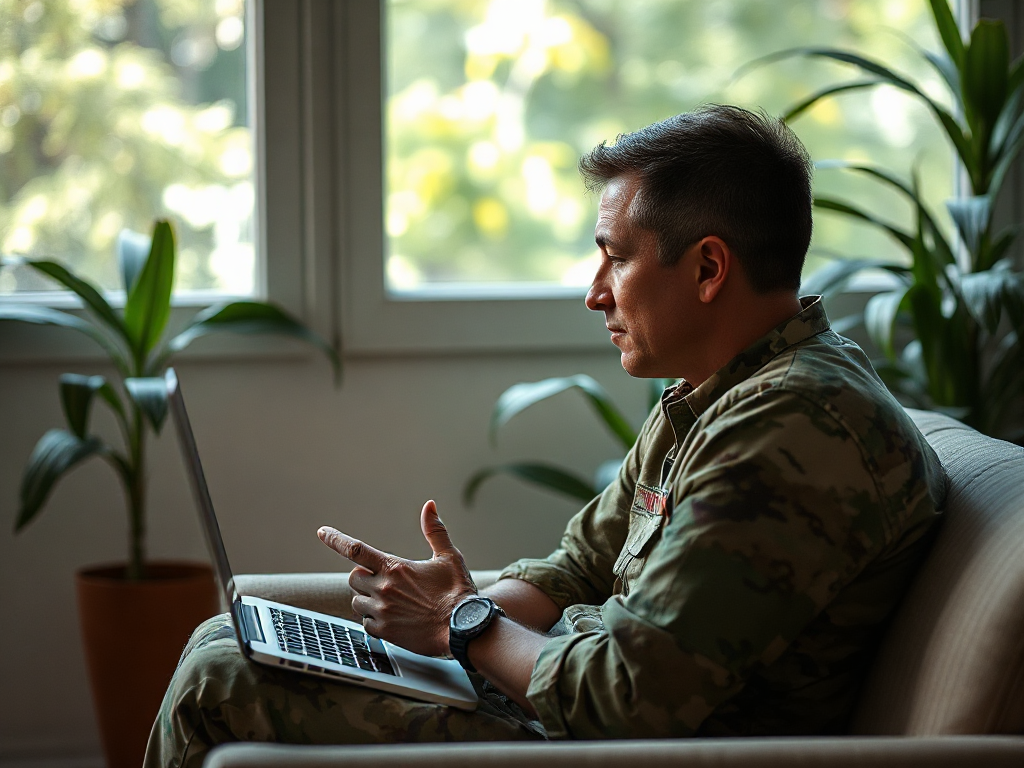
PTSD flare-ups after receiving unexpected military news or unit contact often occur because a sudden message, call, or update activates threat memories before the person has time to interpret what is happening. The first 24 hours are best managed by pausing further contact, reducing sensory and social demands, using grounding that names the present, and checking for sleep disruption, substance use, or safety concerns. A brief factual reply can create boundaries without forcing an emotional conversation. If symptoms include suicidal thoughts, inability to stay safe, severe dissociation, or escalating substance use, contact emergency services or the 988 Suicide & Crisis Lifeline rather than handling the episode alone.
Why Military News or Unit Contact Can Trigger a Flare-Up
Unexpected military news can activate PTSD symptoms even when the message contains no immediate physical danger. A unit email, former commander’s call, reunion announcement, casualty update, deployment-related notice, or message from a long-uncontacted service member may connect present-day information with memories of combat, loss, responsibility, betrayal, or helplessness. The nervous system can respond to the meaning attached to the contact rather than to the objective risk in the message.
Uncertainty often intensifies the reaction. A short text that says “call me” leaves the reader filling in missing information, while a familiar unit name, phone number, insignia, or wording can function as a cue associated with a particular period of service. The result may include intrusive memories, nightmares, irritability, startle responses, emotional numbness, racing thoughts, or avoidance. A flare-up does not prove that the person is losing progress; it indicates that a potent reminder has exceeded current coping capacity.
Timing and context also matter. Fatigue, illness, anniversaries, financial pressure, relationship conflict, or recent exposure to war coverage may lower the threshold for a reaction. Someone who usually tolerates military conversations may respond differently after poor sleep or a stressful week. That variability is why comparing the episode with a previous reaction can be more useful than assuming every contact will produce the same pattern.
A common mistake is treating the message as an ordinary communication task that must be answered immediately. The practical priority is to separate information urgency from emotional urgency. A notification may require acknowledgment today, but it may not require a long call, a detailed explanation, or an immediate decision. Readers looking for broader context about PTSD flare-ups after receiving unexpected military news or unit contact should note which cue appeared first, what body sensations followed, and what happened after responding.
What to Do During the First 24 Hours
The first response should reduce escalation rather than force resolution. Put the phone on silent, move to a familiar room, place both feet on the floor, and identify the date, location, and immediate facts: “I am at home; I received a message; I am not currently in the deployment environment.” Present-focused statements work best when they are concrete and repeated slowly, not when they argue that the reaction is irrational.
Breathing can help some people reduce physical activation, but it is not a universal solution. If deliberate breathing increases panic, use sensory orientation instead: describe five visible objects, hold a cool drink, notice the chair’s support, or walk through a well-lit space while naming each step. The goal is not to erase the memory. It is to give the brain competing evidence that the current surroundings differ from the remembered event.
Before replying, check basic conditions that can magnify symptoms. Have you eaten, slept, used alcohol or other substances, taken prescribed medication as directed, or been alone for many hours? A small meal, water, medication routine, and contact with a trusted person may be more useful than trying to analyze the entire military history behind the message. Alcohol or recreational drugs may briefly blunt distress but can worsen sleep, impulsivity, and intrusive symptoms afterward.
A compact first-day checklist can prevent decisions made under high activation:
- Save the message without repeatedly rereading it.
- Confirm whether a response is genuinely time-sensitive.
- Tell one trusted person what happened and what support is needed.
- Choose one grounding activity that has worked before.
- Postpone major commitments, confrontations, or travel decisions until arousal has decreased.
The wrong approach is total avoidance when practical information matters, or complete immersion when the contact has become emotionally overwhelming. A middle path—preserve the message, limit exposure, and schedule a later review—protects both safety and autonomy. A personalized response plan for unexpected unit contact is especially useful if the person has previously dissociated, lost sleep for several nights, or used substances to manage reminders.
Setting Boundaries Without Losing Important Information
Boundaries are communication limits that control access, timing, and subject matter; they do not require hostility or a permanent decision about the relationship. Someone may want to know whether a former unit member is safe while being unable to discuss combat details by phone. A short written response can preserve that distinction better than an unplanned conversation.
Useful replies state the limit and offer a practical alternative. For example: “I received your message. I cannot talk by phone today. Please send the basic information by text, and I will respond after I have had time to process it.” If the sender is an organization, ask for the official point of contact and the deadline. If the message is ambiguous, request facts rather than speculation: “Is this about an administrative matter, a reunion, or an urgent safety issue?”
Privacy deserves attention. Do not assume that a familiar name or old unit connection makes every request trustworthy. Verify unexpected links, attachments, payment requests, or requests for personal information through an independent official channel. PTSD-related urgency can make a person more likely to answer quickly, overshare, or agree to something simply to end the discomfort. Verification is not disrespect; it is a reasonable protection when stress is impairing concentration.
There is a tradeoff between blocking all contact and remaining constantly available. Blocking may provide immediate relief but could also hide information the person genuinely needs. Leaving every channel open may increase repeated triggering. A time-limited arrangement can be more workable: mute notifications, designate one trusted intermediary, review messages at a chosen time, and use email instead of calls if written information is easier to regulate.
Family members and friends can help by asking what role is wanted rather than taking over. One person may need company and quiet; another may want help drafting a reply; someone else may need transportation to an appointment. Avoid pressing for a full account of the military event. The relevant question is often narrower: “What would make the next hour safer and more manageable?” That practical focus can reduce conflict and keep the person connected to choices.
When a Flare-Up Needs Professional or Emergency Support
Professional support is appropriate when symptoms persist beyond the immediate reaction, interfere with sleep or work, prompt heavy substance use, or cause repeated avoidance of necessary communication. A clinician can help distinguish a short-lived stress response from a broader worsening pattern and can review trauma-focused treatment options, medication concerns, sleep problems, and safety planning. The person does not need to wait until symptoms become extreme to contact a provider.
Track patterns without turning tracking into constant self-surveillance. Note the contact type, time of day, symptoms, sleep, substances, coping action, and recovery time. For example, a person may discover that a brief administrative email causes less disruption than an unscheduled call, or that rereading a casualty-related message prolongs arousal into the night. That information can guide treatment and future communication boundaries.
Seek urgent help if there are thoughts of suicide or harming someone else, inability to remain safe, severe confusion, dangerous impulsivity, prolonged inability to sleep, or dissociation that makes driving or caring for dependents unsafe. In the United States, call or text 988 for the Suicide & Crisis Lifeline; call 911 or go to an emergency department when there is immediate danger. Veterans may also contact the Veterans Crisis Line through 988 and press 1. People outside the United States should use their local emergency or crisis service.
A frequent misconception is that asking for help means the military contact “caused” a permanent setback. A flare-up can instead reveal a treatment need, an unrecognized trigger, or a support plan that lacks detail. Treatment choices vary: trauma-focused psychotherapy may be useful for some, medication review may matter for others, and immediate stabilization may need to come before trauma processing. Do not stop prescribed medication or begin a new substance-based coping method without qualified medical guidance.
Signs that a coping approach is working include lower physical activation, improved orientation, safer decision-making, and a gradual return to ordinary tasks. Signs it is failing include escalating isolation, repeated message checking, worsening nightmares, intoxication, missed medication, or inability to meet basic responsibilities. Those signals call for escalation to a clinician, trusted support person, crisis service, or emergency care rather than more solitary effort. The next-step plan for military contact triggers should be written down while the person is calm.
Frequently Asked Questions
Can a short text from a former unit member trigger PTSD symptoms?
Yes. Names, wording, timing, or uncertainty can connect a brief message with traumatic memories and produce a strong stress response.
Should I answer unexpected military contact immediately?
Not necessarily. Preserve the information, check for a real deadline, and use a brief boundary-setting reply if you need time before speaking.
What grounding method can help after a unit-related message?
Orient to the present by naming your location, date, visible objects, and immediate safety. Sensory grounding may be preferable if slow breathing increases panic.
When should I contact a PTSD clinician after a flare-up?
Contact one when symptoms persist, disrupt sleep or responsibilities, increase substance use, or make future contact difficult to manage safely.
What should I do if the flare-up includes suicidal thoughts?
Do not stay alone with immediate danger. Call or text 988 in the United States, press 1 for the Veterans Crisis Line, or call emergency services.
Conclusion
An unexpected military message can be both ordinary communication and a powerful trauma cue. The safest response is to slow the exchange, establish present-day orientation, verify what is actually urgent, and avoid making major decisions while highly activated. A written boundary, trusted intermediary, or scheduled review time can preserve needed information without requiring immediate emotional exposure. Watch the recovery pattern over the next day: returning sleep, safer choices, and reduced message checking suggest stabilization, while escalating isolation, substance use, dissociation, or hopelessness call for professional or crisis support. Write the plan down before another contact arrives, and share it with someone who can recognize warning signs. The goal is not to eliminate every reminder; it is to retain choice and safety when a reminder appears.