
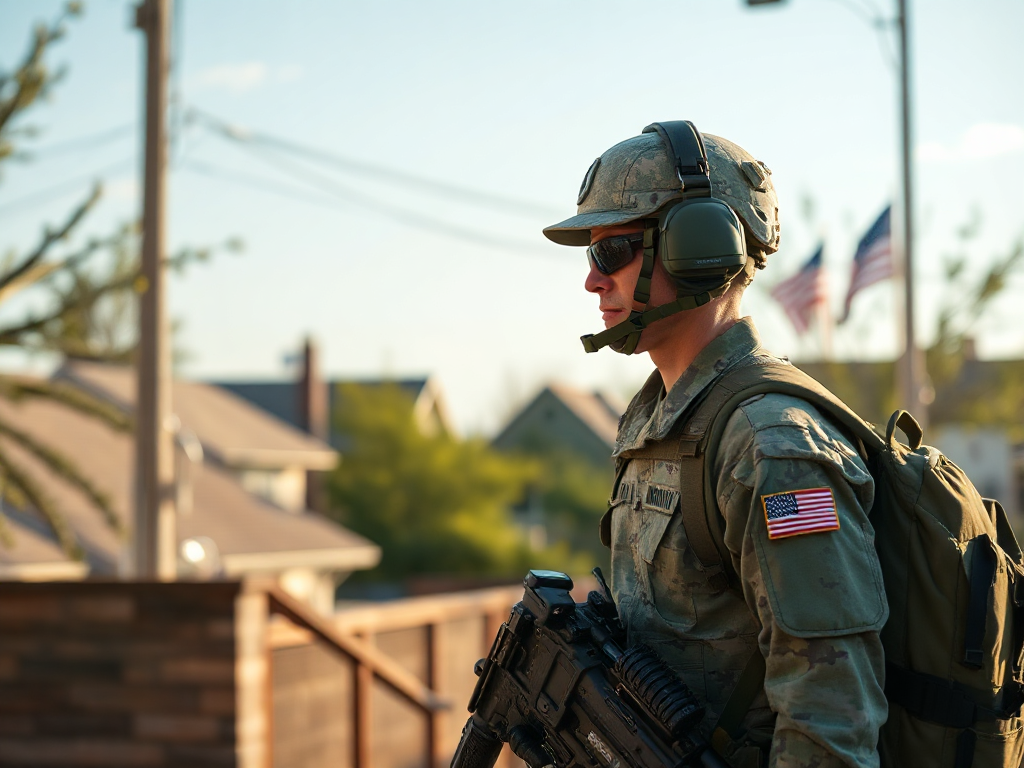
Why Military Structure Can Become Difficult to Rebuild
Military life often supplies external timing, defined responsibilities, shared expectations, and immediate feedback. Separation removes much of that scaffolding at once. PTSD may then make ordinary civilian demands harder to organize because sleep disruption, intrusive memories, irritability, concentration problems, and hypervigilance consume attention that would otherwise support planning.
A missed appointment, an unstructured afternoon, or a noisy workplace can carry more weight than its practical importance suggests. Someone may postpone laundry because beginning the task feels overwhelming, then respond by creating an excessively strict schedule the next day. That swing between paralysis and overcontrol is common enough to watch for, but it should not be treated as a personal failure or used to diagnose PTSD without professional assessment.
The useful comparison is not “discipline versus laziness.” It is external structure versus self-directed structure. Military systems can make decisions predictable; civilian settings often require the individual to decide when to start, how much is enough, and what to do when plans change. A routine that ignores those differences may collapse quickly.
Begin by identifying the parts of the day that are most unstable. Note when sleep, crowds, driving, appointments, household noise, or unplanned contact creates the biggest disruption. Then choose only a few non-negotiable anchors. A consistent wake window, a first meal, and a brief evening reset may be more sustainable than a detailed timetable. The goal is a dependable framework that leaves room for symptoms, not a test that punishes every deviation.
How to Create a Flexible Daily Rhythm
A flexible routine uses anchors, sequences, and limits rather than minute-by-minute commands. An anchor is an activity that happens at roughly the same time or in the same order each day. A sequence links a small action to that anchor: after breakfast, review one appointment; after a shower, place clean clothes out; after dinner, prepare the next morning’s medication or bag if prescribed and appropriate.
This approach lowers the number of decisions required during periods of poor sleep or heightened arousal. It also avoids a common mistake: copying a highly controlled duty roster into a home environment with different demands. A civilian schedule usually needs recovery space, travel variation, family needs, and tasks that have no immediate external consequence.
For example, a person who becomes overwhelmed by open-ended mornings might use this sequence: wake within a broad thirty-minute range, drink water, take prescribed medication as directed, eat something available, and spend ten minutes on one household task. If symptoms rise, the task can be shortened without abandoning the entire morning. A rigid version that requires exercise, errands, cleaning, and paperwork before noon may create an early failure that colors the rest of the day.
Use a weekly planning period to select a small number of priority tasks. Separate them into “must happen,” “useful if possible,” and “can wait.” Keep the first category short. Signs that the plan is working include fewer rushed decisions, more predictable meals or sleep preparation, and recovery from an interruption without discarding the whole day. Signs it is failing include repeated exhaustion, missed treatment appointments, escalating anger, or spending more time managing the schedule than living through it.
- Anchor: one stable daily point, such as waking or bedtime.
- Minimum task: the smallest acceptable version of an activity.
- Recovery option: a quiet break or lower-demand substitute when symptoms intensify.
- Review: a brief check of what helped and what created unnecessary pressure.
The transitioning from military structure when PTSD disrupts daily routines process is more manageable when consistency means returning to the rhythm after disruption, not performing it perfectly.
Managing Triggers, Avoidance, and Overload
Daily routines often fail at the point where an ordinary task intersects with a trauma reminder or a sense of lost control. Traffic, crowded stores, sudden notifications, unfamiliar authority figures, particular sounds, or conflict at home may increase arousal. Avoidance can provide immediate relief, but repeated avoidance may shrink the person’s usable world and make future errands feel even more threatening.
That does not mean forcing exposure or ignoring safety. A better decision is to distinguish between a genuine hazard, a manageable trigger, and a demand that is simply too large for the current day. Shopping during a quieter period, using a written list, choosing a shorter route, or asking a trusted person to accompany the first attempt may reduce unnecessary load. These adjustments are not proof that the person is incapable; they are ways to test what level of demand is workable.
Consider an appointment that repeatedly gets missed. The obstacle might be the clinic itself, the uncertainty of waiting, the drive, poor sleep, or fear of discussing symptoms. Each cause calls for a different modification. Confirming the time and route addresses uncertainty; requesting a quieter waiting option may address sensory overload; discussing sleep with a clinician addresses a health factor. Replacing every appointment with cancellation protects the short term but provides little information about the actual barrier.
A brief trigger record can clarify patterns without becoming another security ritual. Record the situation, early body signals, the action taken, and the result. Early signals may include scanning exits, clenched muscles, racing thoughts, numbness, or a sudden urge to leave. Pair the record with a preselected response such as stepping outside, slowing breathing, contacting a support person, or postponing a nonessential task. If tracking increases checking or fear, simplify it or discuss that reaction with a clinician.
Use transitioning from military structure when PTSD disrupts daily routines as a practical planning problem, while recognizing that persistent nightmares, severe avoidance, substance misuse, or thoughts of self-harm require more than scheduling changes.
When Routine Problems Need Additional Support
Routine adjustments can reduce friction, but they do not replace PTSD treatment or medical evaluation. Professional support becomes especially important when disrupted routines affect housing, employment, nutrition, prescribed medication, relationships, driving, or personal safety. Sleep problems may also have medical or substance-related contributors, so assuming every difficulty comes from motivation can delay useful care.
A clinician can help assess symptoms and discuss evidence-based treatment options without requiring the person to manage the transition alone. Veterans may also contact VA health services or the Veterans Crisis Line when immediate support is needed. In an emergency involving imminent danger, contact local emergency services or go to the nearest emergency department.
Bring concrete observations to an appointment: the time of day symptoms peak, which tasks are repeatedly avoided, how sleep changes the next day, and whether caffeine, alcohol, prescribed medicines, or other substances affect arousal or rest. Specific examples are more useful than saying only that “everything is disorganized.” A trusted family member may contribute observations if the person wants that involvement.
Support should preserve autonomy. A partner who takes over every task may unintentionally reinforce helplessness, while a partner who demands normal performance may intensify shame or conflict. Agree on limited assistance, such as a reminder, transportation, quiet company, or help breaking one errand into stages. Reassess the arrangement when symptoms change.
Recovery is not measured by returning to a military-style schedule. It is better measured by whether essential activities become more predictable, disruptions become easier to repair, and the person has enough capacity for treatment, relationships, and meaningful choices. The transitioning from military structure when PTSD disrupts daily routines process should become less dependent on force and more responsive to actual symptoms and priorities.
Frequently Asked Questions
Why can civilian routines feel harder than military routines?
Military routines provide external timing and clear roles. Civilian life often requires more self-directed decisions, while PTSD symptoms may reduce concentration, sleep quality, and tolerance for uncertainty.
Should a new routine copy a military schedule?
Usually not. Borrow useful elements such as preparation and predictable anchors, but allow broader time windows, recovery periods, and flexibility for symptoms and civilian responsibilities.
What should be scheduled first?
Choose two or three anchors that protect basic functioning, such as waking, meals, prescribed medication, treatment appointments, or bedtime preparation.
How can family members help without taking over?
Agree on specific assistance, such as transportation, a reminder, or quiet company, while leaving the person control over decisions and reviewing the arrangement together.
When should someone seek professional help?
Seek support when PTSD disrupts safety, housing, work, relationships, medication use, sleep, or basic self-care, or when symptoms include self-harm thoughts, severe substance use, or dangerous impairment.
Conclusion
A workable post-military routine does not need to reproduce the strictness of service life. It should provide enough predictability to support sleep, meals, treatment, responsibilities, and recovery while allowing for triggers and changing capacity. Start with a few anchors, define minimum versions of essential tasks, and identify what happens when symptoms interrupt the plan. Review patterns instead of judging individual bad days. If avoidance, nightmares, hypervigilance, substance use, or impaired self-care continue to restrict daily life, involve a qualified clinician or VA resource rather than relying on scheduling alone. The immediate priority is not perfect performance; it is a routine that can bend, recover, and keep essential care within reach.