
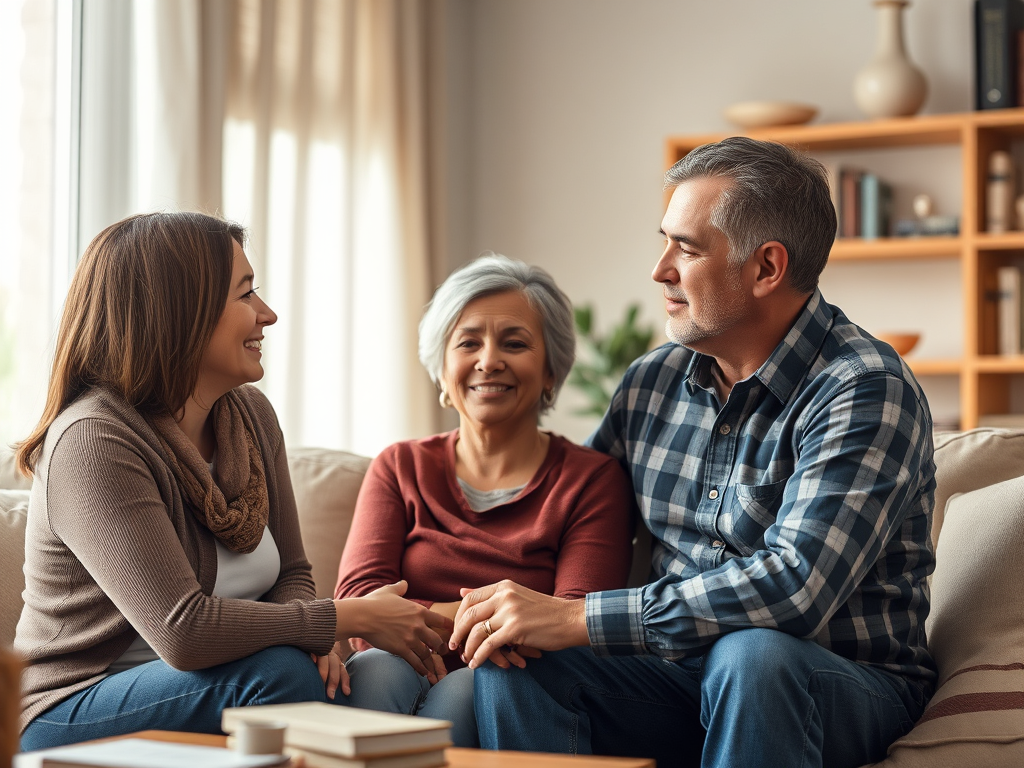
Family plays an essential role in the recovery of veterans with PTSD by providing emotional support and understanding. Engaging in open conversations about PTSD can help family members recognize symptoms and foster a supportive environment. Active participation in therapy sessions can bridge communication gaps and strengthen relationships, allowing veterans to feel less isolated. Families should prioritize patience and empathy, as these qualities can significantly enhance the healing process. By working together, families can create a nurturing atmosphere that promotes resilience and recovery for their veteran loved ones.
Understanding PTSD and Its Impact on Veterans
Post-Traumatic Stress Disorder (PTSD) can profoundly affect veterans, leading to emotional turmoil, anxiety, and difficulty in social interactions. Understanding the nature of PTSD is essential for families, as it enables them to recognize the symptoms and behaviors associated with this condition. Veterans may experience flashbacks, nightmares, and heightened anxiety, which can strain familial relationships. By gaining insight into these challenges, families can better support their loved ones during recovery.
Moreover, the impact of PTSD extends beyond the individual veteran; it affects the entire family unit. Family members often share the emotional burden and may experience stress, confusion, or helplessness. Recognizing this interconnectedness is vital for fostering a supportive environment conducive to healing. Families should prioritize open discussions about PTSD to create a shared understanding and strengthen their collective resilience.
The Importance of Family Support
Family support plays a pivotal role in a veteran’s recovery journey. A strong support system can provide emotional stability, reduce feelings of isolation, and enhance the effectiveness of professional treatment. When families are actively involved in the recovery process, they help create a nurturing environment that encourages veterans to share their experiences and feelings.
Involving family members in therapy sessions, when appropriate, can also bridge communication gaps and help everyone understand the veteran’s challenges. It fosters a sense of teamwork, where all parties are working toward the same goal: recovery and well-being. Additionally, families can help veterans practice coping strategies learned in therapy, reinforcing their application in everyday situations.
Effective Communication Techniques
Effective communication is crucial for families supporting veterans with PTSD. One of the most important techniques is active listening, where family members genuinely focus on what the veteran is saying without interrupting or judging. This approach fosters trust and encourages veterans to express their feelings, which is essential for processing trauma.
Another technique is to validate the veteran’s feelings. Acknowledging their emotions as legitimate can help reduce feelings of shame or guilt associated with PTSD symptoms. Families should avoid making assumptions about what the veteran needs; instead, they should ask open-ended questions to facilitate dialogue. For instance, asking, “How can I support you today?” can lead to more meaningful conversations.
Common Challenges Families Face
Despite the best intentions, families may encounter challenges when supporting a veteran with PTSD. Misunderstandings about PTSD can lead to frustration or feelings of helplessness. Family members might struggle to cope with the veteran’s mood swings or withdrawal behaviors, leading to increased tension within the household.
Another common challenge is balancing the needs of the veteran with the well-being of other family members. Caregiver fatigue can occur when one or more family members take on the primary role of supporting the veteran, potentially leading to burnout. Families should prioritize self-care and seek external support when needed, such as counseling or veterans’ support groups, to ensure they are also taking care of their own mental health.
Frequently Asked Questions
How can family members help a veteran with PTSD?
Family members can help by providing emotional support, actively listening, and encouraging the veteran to seek professional treatment. Understanding PTSD symptoms is also crucial.
What should families avoid when supporting veterans with PTSD?
Families should avoid making assumptions about the veteran's feelings or needs, as well as minimizing their experiences. Instead, they should focus on open communication and validation.
How can families cope with their own stress while supporting a veteran?
Families should prioritize self-care, establish healthy boundaries, and seek external support when needed, such as counseling or support groups.
Is it helpful for family members to attend therapy sessions with the veteran?
Yes, involving family members in therapy can facilitate better understanding, improve communication, and create a supportive environment for recovery.
Conclusion
Family support is integral to the recovery of veterans with PTSD, providing emotional stability and practical assistance. By understanding PTSD, employing effective communication techniques, and navigating challenges together, families can foster a nurturing environment conducive to healing. It is vital for families to also take care of their own well-being while supporting their veteran, ensuring a balanced approach to recovery. Seeking resources and professional support can further enhance this journey, enabling both veterans and their families to thrive.