
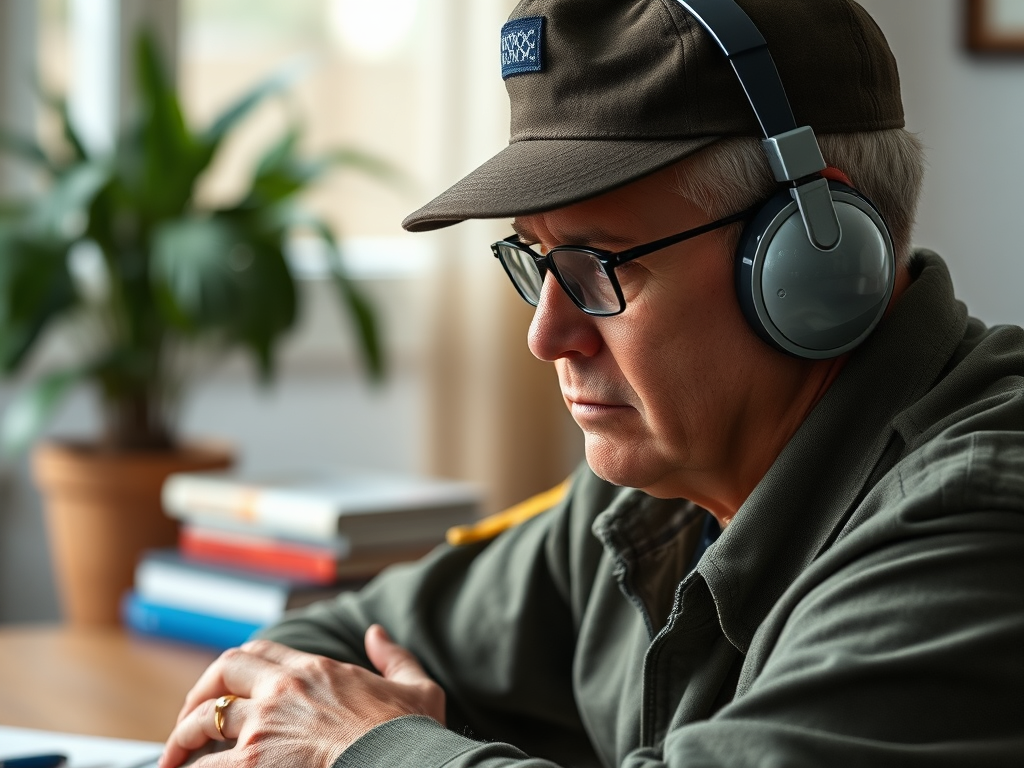
Common misconceptions about veterans and PTSD include the belief that all veterans experience this condition and that it only affects those who have been in combat. In reality, while PTSD is prevalent among some veterans, many do not suffer from it, with estimates indicating that 11-20% of veterans from Iraq and Afghanistan are affected. Furthermore, trauma can originate from various experiences, such as military sexual trauma or serious accidents, not just combat situations. Recognizing these misconceptions is essential for providing appropriate support and fostering a more accurate understanding of veterans' mental health needs. Encouraging open conversations about PTSD can help reduce stigma and promote better resources for those who need assistance.
Understanding PTSD and Its Impact on Veterans
Post-Traumatic Stress Disorder (PTSD) is a mental health condition triggered by experiencing or witnessing a traumatic event. For veterans, this condition can arise from various incidents, including combat exposure, sexual assault, or other life-threatening experiences. Understanding PTSD’s impact is crucial as it informs how society perceives veterans and their needs.
Many veterans may exhibit symptoms such as flashbacks, severe anxiety, and uncontrollable thoughts about the traumatic event. However, it’s essential to note that not every veteran will develop PTSD, and various factors, such as personal resilience and support systems, play a significant role. Misunderstanding these nuances can lead to oversimplified views and stigmas surrounding veterans and their mental health.
Common Myths Surrounding PTSD in Veterans
There are several prevalent myths about veterans and PTSD that perpetuate misunderstandings. One common myth is that all veterans suffer from PTSD. In reality, while a significant number experience it, many do not. Estimates suggest that approximately 11-20% of veterans who served in Iraq and Afghanistan have PTSD in a given year.
Another misconception is that PTSD only affects combat veterans. This overlooks the fact that trauma can stem from various experiences, including military sexual trauma or serious accidents during service. Such assumptions can lead to inadequate support for veterans who may not fit the traditional narrative of a combat veteran.
Additionally, some believe that seeking help is a sign of weakness. In truth, reaching out for support is a courageous step that can lead to recovery and improved mental health. This stigma can deter veterans from seeking the help they need, exacerbating their condition.
The Importance of Support and Awareness
Creating an environment where veterans feel supported is essential in addressing PTSD. Awareness campaigns can help debunk myths and provide accurate information about PTSD and its effects. Community support systems, such as peer groups and counseling services, can make a significant difference in a veteran’s recovery journey.
Furthermore, it is crucial for families and friends of veterans to educate themselves about PTSD. Understanding the symptoms and challenges veterans face can foster empathy and support, creating a more conducive environment for healing. Encouraging open dialogue about mental health can help dismantle the stigma surrounding PTSD, allowing veterans to seek help without fear of judgment.
For those interested in learning more about PTSD and its impact on veterans, consider exploring resources from reputable organizations such as the U.S. Department of Veterans Affairs and the National Alliance on Mental Illness.
Frequently Asked Questions
What are the symptoms of PTSD in veterans?
Symptoms of PTSD in veterans can include flashbacks, nightmares, severe anxiety, and uncontrollable thoughts about the traumatic event.
Can PTSD be treated?
Yes, PTSD can be treated through various therapies, including cognitive-behavioral therapy, medication, and support groups.
Is PTSD only related to combat experiences?
No, PTSD can result from any traumatic experience, including military sexual trauma, accidents, or natural disasters.
How can family members support veterans with PTSD?
Family members can support veterans by educating themselves about PTSD, encouraging open communication, and being patient and understanding.
What should veterans do if they suspect they have PTSD?
Veterans should reach out to a mental health professional or a veterans' service organization for support and guidance on treatment options.
Conclusion
Understanding the common misconceptions about veterans and PTSD is crucial for providing effective support and fostering a compassionate society. Recognizing that not all veterans experience PTSD and that trauma can stem from various sources helps dismantle stigma. It is imperative to create supportive environments where veterans feel empowered to seek help and share their experiences. By promoting awareness and understanding, we can contribute to better mental health outcomes for our veterans.