
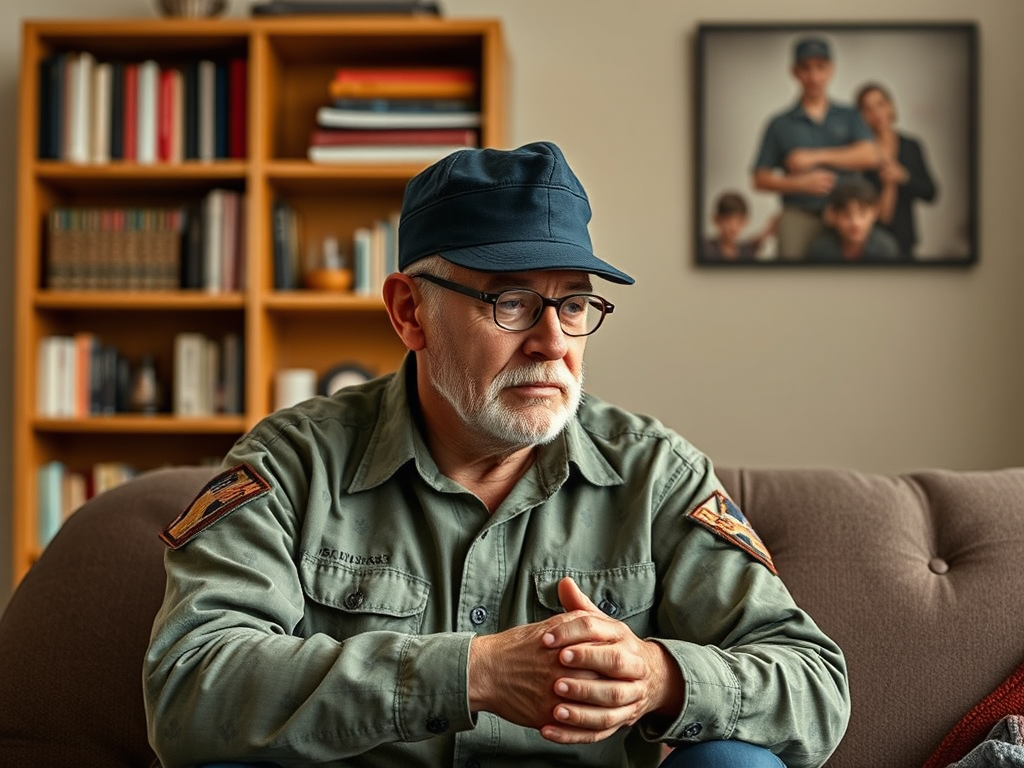
Traditional therapy may fail veterans due to a disconnect between therapeutic methods and the unique psychological challenges they face, such as PTSD stemming from combat experiences. Many therapists lack training in military culture, which can lead to misunderstandings and ineffective treatment. Additionally, the stigma surrounding mental health can prevent veterans from seeking help until their conditions worsen. To improve outcomes, it's essential to explore alternative therapies that resonate more with veterans, such as peer support groups or trauma-informed care tailored to their experiences. These approaches can foster a sense of understanding and community, ultimately encouraging more veterans to engage in treatment.
Understanding the Unique Needs of Veterans
Veterans often face challenges that are distinct from those encountered by the general population, primarily due to their experiences in combat and military life. These experiences can lead to complex psychological issues, including PTSD, depression, and anxiety. Understanding military culture is crucial for therapists working with veterans, as it shapes their worldview, coping mechanisms, and willingness to seek help. Veterans may feel isolated from civilian life, and traditional therapy approaches may not resonate with their experiences or values.
For instance, veterans often exhibit a strong sense of resilience and self-reliance, which can conflict with the vulnerability typically encouraged in therapy. This conflict may lead to discomfort in traditional therapeutic settings, making it essential to adapt therapeutic practices to better align with veterans’ backgrounds.
Common Misconceptions About Therapy
One significant misconception is that therapy is only for those in crisis or severe distress. Many veterans believe they must reach a breaking point before seeking help, which can delay treatment and exacerbate their conditions. Additionally, some veterans may perceive therapy as a sign of weakness, leading to stigma that discourages them from accessing services.
Another misconception is that all therapists are equipped to deal with the specific challenges faced by veterans. The reality is that many therapists lack training in military culture and the nuances of trauma experienced during service. This gap in understanding can result in veterans feeling misunderstood or misdiagnosed, ultimately undermining the therapeutic process.
Barriers to Effective Treatment
Barriers to effective therapy for veterans include logistical issues, such as access to care, and psychological barriers, including stigma and mistrust of the healthcare system. Many veterans report difficulty in accessing mental health services due to long wait times, transportation issues, or lack of nearby facilities that specialize in veteran care.
Moreover, the stigma surrounding mental health issues remains a significant barrier. Veterans often fear judgment from peers or family members, which can prevent them from seeking help. This fear is compounded by a lack of awareness regarding the resources available to them, leading to a cycle of silence and suffering.
Alternative Approaches to Therapy
Given the limitations of traditional therapy, exploring alternative approaches can be beneficial for veterans. These may include peer support groups, art therapy, and outdoor activities, which can provide therapeutic benefits without the structure of a conventional therapy session. Such alternatives often leverage camaraderie and shared experiences, which can be more relatable for veterans.
Additionally, integrating holistic practices such as mindfulness, yoga, and equine therapy has shown promise in helping veterans cope with PTSD and other mental health issues. These methods can encourage self-discovery and healing in a less formal setting, fostering a sense of belonging and understanding among participants.
Frequently Asked Questions
Why do traditional therapies often fail veterans?
Traditional therapies may fail veterans due to a lack of understanding of military culture, inadequate trauma-informed care, and the stigma surrounding mental health issues.
What are common misconceptions about therapy for veterans?
Common misconceptions include the belief that therapy is only for those in crisis, and that all therapists are equipped to handle the unique challenges faced by veterans.
What barriers do veterans face in accessing mental health care?
Barriers include logistical issues such as access to care, long wait times, and psychological barriers like stigma and mistrust of the healthcare system.
What alternative therapies can benefit veterans?
Alternative therapies may include peer support groups, art therapy, outdoor activities, mindfulness practices, and holistic approaches like yoga and equine therapy.
How can understanding military culture improve therapy outcomes for veterans?
Understanding military culture allows therapists to better relate to veterans' experiences, fostering trust and improving the overall effectiveness of treatment.
Conclusion
Veterans face unique mental health challenges that require tailored approaches to therapy. Recognizing the barriers and misconceptions surrounding traditional therapy can help in developing more effective treatment options. By embracing alternative therapies and understanding military culture, healthcare providers can create a supportive environment that encourages veterans to seek help and engage in their healing journeys. Prioritizing these factors is essential for improving mental health outcomes among veterans.