
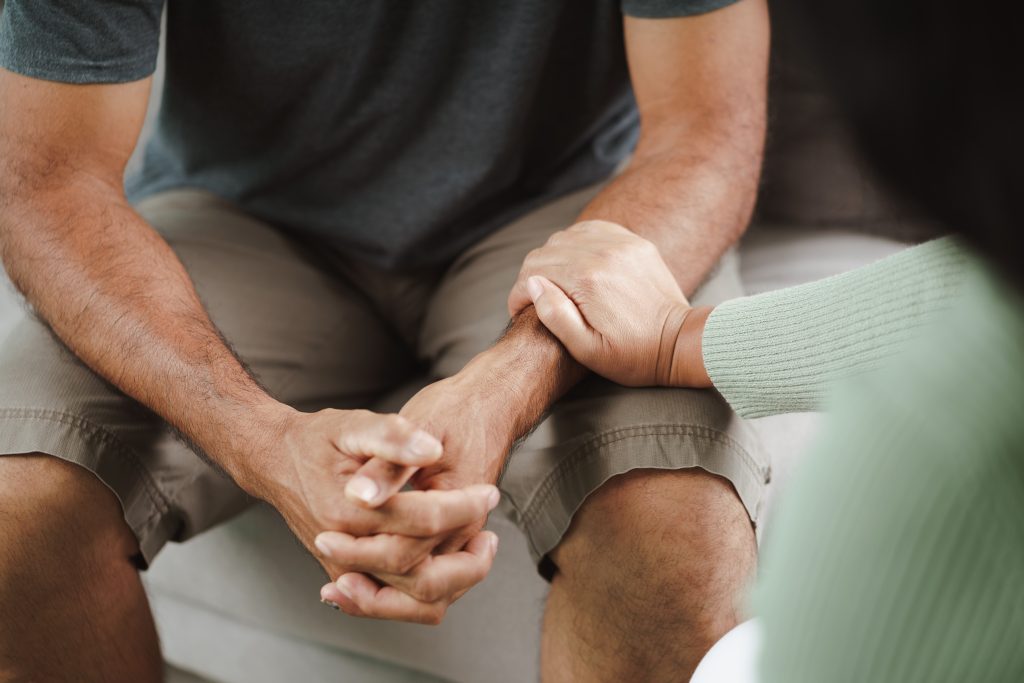
Understanding the underlying causes of PTSD is crucial for developing effective coping strategies. Trauma often leads to overwhelming emotions, anxiety, and intrusive thoughts, which can disrupt daily life. Therefore, it’s essential to prioritize self-care and identify personal triggers to create a tailored coping plan. Common pitfalls include neglecting self-care and underestimating the importance of support systems.
Many individuals mistakenly believe that coping with PTSD is a solitary journey. In reality, connecting with others who understand your experiences can provide invaluable support. Establishing a reliable network of friends, family, or support groups can offer a safe space to share feelings and strategies. Prioritizing these connections can greatly enhance coping efforts.
Grounding Techniques for Immediate Relief
Grounding techniques are essential for individuals experiencing PTSD symptoms, as they help redirect focus away from distressing thoughts and feelings. Techniques such as the 5-4-3-2-1 method, which involves identifying five things you can see, four things you can touch, three things you can hear, two things you can smell, and one thing you can taste, can provide immediate relief.
These techniques work by anchoring you in the present moment, reducing anxiety and panic. Practicing grounding regularly can help reinforce your ability to manage overwhelming emotions. It’s important to find which techniques resonate with you, as not every method will work for everyone.
Many people overlook the effectiveness of grounding techniques, believing they need more complex solutions. However, incorporating these simple practices into your daily routine can build resilience over time. Start with one or two methods and gradually expand your toolkit as you become more comfortable.
Mindfulness Practices to Manage Anxiety
Mindfulness practices play a crucial role in managing PTSD symptoms by encouraging present-moment awareness. Techniques such as meditation, deep breathing, and body scans can help reduce anxiety and improve emotional regulation. Regular mindfulness practice can create a sense of calm and clarity amidst chaos.
Incorporating mindfulness into your daily routine can be as simple as taking a few moments to focus on your breath or observing your surroundings without judgment. Establishing a consistent practice can lead to profound changes in how you respond to stressors. Aim to start with just a few minutes each day, gradually increasing the duration as you become more comfortable.
Many individuals mistakenly believe that mindfulness requires lengthy sessions of meditation. In reality, even brief moments of mindfulness can be beneficial. Prioritize finding a method that fits your lifestyle, whether it’s through guided meditations, apps, or simple breathing exercises.
Building a Support Network
Establishing a support network is vital for individuals coping with PTSD. Connecting with others who understand your experiences can provide emotional support and practical advice. This network can include friends, family, therapists, or support groups specifically designed for PTSD.
Building a strong support system involves reaching out and communicating your needs. It’s essential to identify individuals who are empathetic and willing to listen. Regularly engaging with supportive individuals can help reduce feelings of isolation and promote healing.
Many people underestimate the importance of having a support network, believing they can handle everything alone. However, sharing experiences and coping strategies with others can significantly enhance your resilience. Make it a priority to nurture these connections and seek out new ones as needed.
Common Mistakes in Coping with PTSD
When building coping skills for PTSD, individuals often make common mistakes that can hinder their progress. One significant error is avoiding triggers instead of learning to manage them. While it’s natural to want to avoid discomfort, facing triggers in a controlled manner can foster resilience.
Another mistake is neglecting self-care. Regular exercise, healthy eating, and sufficient sleep are foundational for emotional well-being. Prioritizing self-care can make it easier to cope with PTSD symptoms and enhance overall quality of life.
Many individuals fail to seek professional help, believing they can manage on their own. Consulting a therapist can provide tailored strategies and support that are crucial for recovery. Recognizing these mistakes and addressing them can lead to more effective coping strategies.
Further Reading
Authoritative Sources
- National Center for PTSD
ptsd.va.govThis resource provides comprehensive information on PTSD, including coping strategies and treatment options
- American Psychological Association
apa.orgOffers insights into psychological practices and resources for managing PTSD effectively
- National Institute of Mental Health
nimh.nih.govProvides statistics and research updates on PTSD, along with treatment information
Frequently Asked Questions
What are some effective coping skills for PTSD?
Effective coping skills include grounding techniques, mindfulness practices, and establishing a strong support network.
How long does it take to build PTSD coping skills?
The time it takes to build coping skills varies by individual, but consistent practice can lead to noticeable improvements within weeks.
Can I manage PTSD on my own?
While self-management is possible, seeking professional help can provide tailored strategies and support that enhance recovery.
What should I avoid when coping with PTSD?
Avoiding triggers and neglecting self-care are common mistakes that can hinder your coping process.
How can I find a support group for PTSD?
You can find support groups through mental health organizations, community centers, or online platforms dedicated to mental health support.
Conclusion
Building effective coping skills for PTSD is a vital step toward emotional resilience and improved quality of life. By incorporating grounding techniques, mindfulness practices, and establishing a strong support network, individuals can develop a robust toolkit for managing symptoms. It’s crucial to avoid common pitfalls, such as neglecting self-care and avoiding triggers. Prioritizing these strategies will not only enhance coping abilities but also foster a deeper understanding of oneself. Start small, be consistent, and reach out for support when needed to pave the way for healing and growth.