
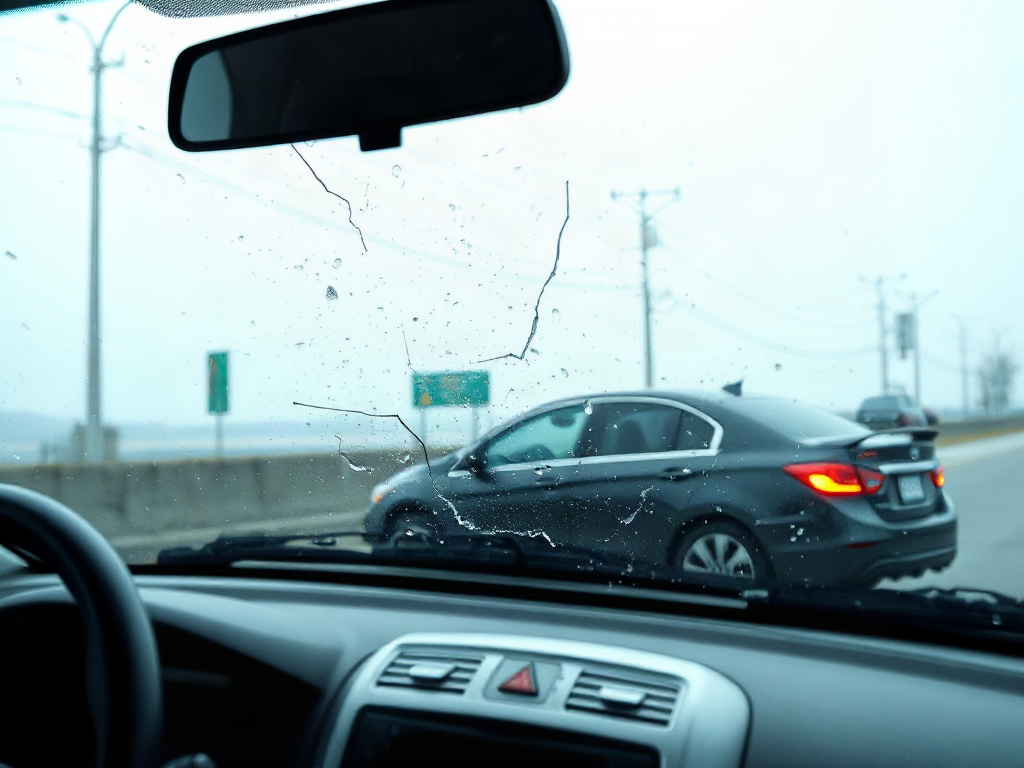
Hit-and-run anxiety can arise when a collision, sudden escape, and lack of accountability leave the nervous system reacting as though danger is still unresolved. Common trauma reactions include intrusive memories, startle responses, sleep disruption, anger, avoidance of roads, and repeated checking for vehicles. Early support should combine immediate safety, medical evaluation when needed, predictable routines, gradual rather than forced re-engagement, and contact with a trauma-informed clinician if distress persists or disrupts daily life. Keeping records for insurance or police matters may restore some control, but repeatedly reviewing footage or searching for the driver can intensify arousal and should be limited when it worsens symptoms.
Why Can a Hit-and-Run Feel Psychologically Unresolved?
A hit-and-run combines the shock of a collision with an abrupt disappearance. The injured or threatened person may have no opportunity to confirm what happened, exchange information, or see the other driver accept responsibility. That unfinished sequence can keep attention fixed on identifying the vehicle, reconstructing the event, or anticipating another impact.
The body’s alarm response may continue even after physical danger has passed. Traffic noise, headlights in a mirror, a vehicle approaching from the side, or the route where the crash occurred can become linked with danger. The reaction may feel excessive in a safe setting, but it often reflects learned threat detection rather than a deliberate choice. Uncertainty about injuries, repairs, insurance, transportation, or a police investigation may add ongoing stress that prevents a clean sense of closure.
Consider a pedestrian struck at low speed whose injuries are expected to heal. The person may still become tense whenever a car slows near a crossing because the most disturbing part was not only the impact; it was seeing the vehicle leave. A driver whose parked car was hit may experience a different pattern, such as repeatedly checking security footage or waking at every sound outside. The severity of visible damage does not reliably predict emotional impact.
A common mistake is assuming that finding the driver is the only route to feeling safe again. Identification and accountability may matter greatly, but an investigation is outside the survivor’s full control and may not produce answers. Emotional stabilization can proceed alongside practical reporting rather than waiting for the case to resolve.
Separate tasks into two lanes. Put police reports, medical documents, repair estimates, photographs, and insurance communications in one organized file. Handle those tasks during planned periods rather than throughout the day. In the second lane, protect sleep, meals, movement, social contact, and time away from the case. This boundary reduces the chance that necessary administrative work occupies every waking hour.
Which Trauma Reactions May Appear?
Trauma reactions after a hit-and-run can affect the body, thoughts, emotions, and behavior. Some begin immediately, while others become noticeable after the first practical crisis has passed. A reaction does not by itself establish post-traumatic stress disorder; diagnosis depends on the pattern, duration, severity, and effect on functioning and should be made by a qualified clinician.
Physical arousal may include a racing heart, muscle tension, nausea, sweating, shakiness, or an exaggerated startle response. Intrusive reactions can involve unwanted images of the collision, nightmares, or a sensation that the event is happening again. Emotional responses may include fear, anger, guilt, humiliation, numbness, or mistrust. Behavioral changes may include avoiding driving, refusing to cross streets, checking mirrors continuously, or choosing much longer routes.
Reasonable caution and trauma-driven safety behavior are not identical. Checking traffic before entering a crosswalk is protective. Waiting through several safe crossing cycles because every moving vehicle feels threatening may indicate that the alarm system is overriding available evidence. Likewise, using a seat belt and driving defensively are sound precautions; scanning every nearby license plate until concentration on the road deteriorates creates a new safety concern.
Watch for patterns rather than judging a single difficult moment. Useful observations include:
- Triggers: intersections, braking sounds, dark-colored vehicles, sirens, phone calls about the claim, or nighttime driving.
- Impact: missed work, loss of sleep, isolation, inability to use necessary transportation, or conflict with family.
- Direction: gradual easing, no meaningful change, or increasing restriction over time.
- Coping effects: whether checking, avoidance, alcohol, or sedating substances provide brief relief but worsen functioning later.
Another weak assumption is that anger means fear is absent. Anger may reflect violated expectations, powerlessness, financial pressure, or the absence of accountability. It can coexist with fear and grief. The practical priority is not forcing the “correct” emotion but noticing which reactions interfere with sleep, safe travel, work, relationships, or medical recovery.
What Helps During the First Days and Weeks?
Early support works best when it restores safety and predictability without demanding a detailed retelling. Confirm that urgent medical needs have been assessed, especially when there was bodily impact, head movement, worsening pain, confusion, weakness, breathing difficulty, or another concerning change. Emotional distress should not be used to explain away a possible physical injury.
Once immediate safety is addressed, reduce avoidable demands. A person dealing with pain, repairs, calls, and disrupted transportation may have little capacity for complex decisions. A trusted support person can sit in during insurance calls, provide transportation, help organize documents, or prepare a written list of questions. Helpful support is specific: “I can drive you to the appointment” is easier to accept than “Tell me if you need anything.”
Grounding methods may reduce acute arousal for some people. Place both feet on the floor, identify the current location and date, notice several neutral objects, and lengthen the exhale without forcing unusually deep breaths. The purpose is to orient to present conditions, not to erase the memory. If breath-focused exercises increase panic or bodily vigilance, use external cues instead, such as describing objects in the room or holding a cool drink.
A practical early plan can remain brief:
- Protect health: follow medical instructions and report new or worsening physical symptoms.
- Contain case work: schedule limited periods for reports, footage, repair calls, and claim correspondence.
- Stabilize the day: keep wake times, meals, medication routines, and necessary appointments as regular as circumstances allow.
- Track disruption: note sleep, panic episodes, avoided activities, substance use, and ability to complete essential tasks.
- Choose support: identify one practical helper and one person who can listen without pressing for details.
Forced disclosure is a frequent failure mode. Repeatedly asking someone to recount the crash, watching the footage together without a clear purpose, or insisting they drive immediately can increase distress. The opposite extreme—avoiding every reminder indefinitely—may allow fear to spread. A better short-term balance is choice, pacing, and limited contact with necessary reminders while the person regains stability.
How Can You Return to Driving and Roads?
Returning to traffic is usually more manageable when the task is divided into controlled, repeatable steps. Before any exposure, confirm that pain, medication effects, vision problems, dizziness, panic, or vehicle damage do not make driving unsafe. Someone who cannot concentrate or who experiences sudden disorientation should not treat driving as a self-directed exposure exercise.
The starting point should be challenging enough to provide new evidence of safety but not so intense that the person escapes immediately or loses the ability to drive responsibly. A driver might first sit in a parked car, then ride as a passenger on a quiet route, drive around an empty parking area, and later take a short familiar road in daylight. A pedestrian might observe traffic from a distance, approach a controlled crossing with support, and then cross during a quiet period.
Progress is not measured only by feeling calm. Early success may mean staying present, following traffic rules, and completing a planned short route despite moderate anxiety. Repeating a manageable step can be more useful than attempting a difficult highway trip once and becoming overwhelmed. Anxiety may rise before it falls, and some sessions will feel harder because of poor sleep, pain, weather, or case-related news.
Safety behaviors require judgment. Bringing a calm passenger may support initial practice, but depending on that person indefinitely can reinforce the belief that solo travel is impossible. Choosing daylight and a familiar route can create a sensible starting condition; permanently banning night travel may become restrictive if nighttime driving is necessary for work. Gradually reduce nonessential supports while retaining ordinary road safety practices.
Stop and reassess if panic causes unsafe braking, missed signals, tunnel vision, dissociation, or inability to track nearby vehicles. Practice with a trauma-informed therapist or a clinician experienced in driving anxiety may be safer than continuing alone. A common mistake is equating force with progress. Repeated overwhelming attempts can strengthen the association between roads and danger, whereas planned repetition at a tolerable level creates opportunities to learn that distress can change without another collision.
When Is Professional Support Needed?
Professional help becomes more important when reactions are persistent, worsening, or interfering with essential life activities. Examples include being unable to sleep or work, abandoning necessary transportation, having frequent panic episodes, feeling detached from surroundings, relying increasingly on alcohol or other substances, or experiencing intrusive memories that make daily tasks difficult.
A primary care clinician can assess physical recovery, medication effects, sleep problems, and possible referral needs. A licensed mental health professional can evaluate whether the pattern is consistent with an acute trauma response, PTSD, another anxiety condition, depression, or a combination. Trauma-focused psychotherapy may be considered after assessment, but the appropriate approach depends on symptoms, medical condition, readiness, access, and personal preferences.
Support also needs to match the main pressure point. Someone who mainly needs help tolerating intersections may benefit from structured work on triggers and avoidance. A person preoccupied with the unknown driver may need support addressing uncertainty, anger, and repetitive checking. Someone facing pain, lost income, and transportation problems may need practical case management alongside psychological care. Therapy should not be expected to repair a damaged vehicle, resolve an insurance dispute, or guarantee legal closure.
Ask a prospective clinician whether they regularly work with motor-vehicle trauma, how they assess readiness for trauma-focused work, and how they handle driving-related exposure safely. A useful plan should have observable goals, such as sleeping more consistently, reducing unplanned footage review, riding through a particular intersection, or returning to a necessary route. If treatment repeatedly overwhelms the person, lacks agreed goals, or produces no functional movement, discuss pacing or alternatives rather than assuming more intensity is automatically better.
Urgent help is warranted when someone may harm themselves or another person, cannot remain safe, is severely disoriented, or has a medical emergency. In the United States, the 988 Suicide & Crisis Lifeline can be reached by calling or texting 988; emergency services may be appropriate for immediate danger. People outside the United States should use their local emergency or crisis service.
Conclusion
A hit-and-run can leave practical problems and a persistent sense of threat operating at the same time. Prioritize medical safety first, then contain investigation and insurance tasks so they do not dominate the day. Track how sleep, concentration, travel, checking, and avoidance change rather than judging recovery by whether fear disappears immediately.
When returning to roads is safe, use planned, manageable practice and keep ordinary precautions separate from trauma-driven restrictions. Support should reduce isolation without forcing disclosure or premature exposure. If symptoms are escalating, daily life is narrowing, or driving reactions create danger, contact a qualified healthcare or mental health professional. Urgent safety concerns require crisis or emergency help rather than waiting for a routine appointment.
Frequently Asked Questions
Is anxiety normal after a hit-and-run?
Fear, anger, sleep disruption, intrusive memories, and heightened alertness can occur after a frightening collision. Seek an evaluation when reactions worsen, remain intense, or restrict work, travel, relationships, or basic routines.
Can a minor collision cause a strong trauma response?
Yes. Emotional impact may be shaped by perceived danger, surprise, injury, prior trauma, helplessness, and the driver leaving—not only by repair costs or visible damage.
Should I drive again as soon as possible?
Do not drive while medically impaired, unable to concentrate, or likely to panic unsafely. When appropriate, return through short, controlled practice rather than either forcing a difficult trip or avoiding roads indefinitely.
How can family members provide useful support?
Offer concrete help with transport, appointments, meals, or paperwork; listen without demanding details; and avoid pressuring the person to confront traffic before they can do so safely.
Does hit-and-run anxiety mean I have PTSD?
No. Trauma reactions can occur without meeting diagnostic criteria for PTSD. A qualified clinician can assess symptom duration, severity, pattern, and functional impact.