
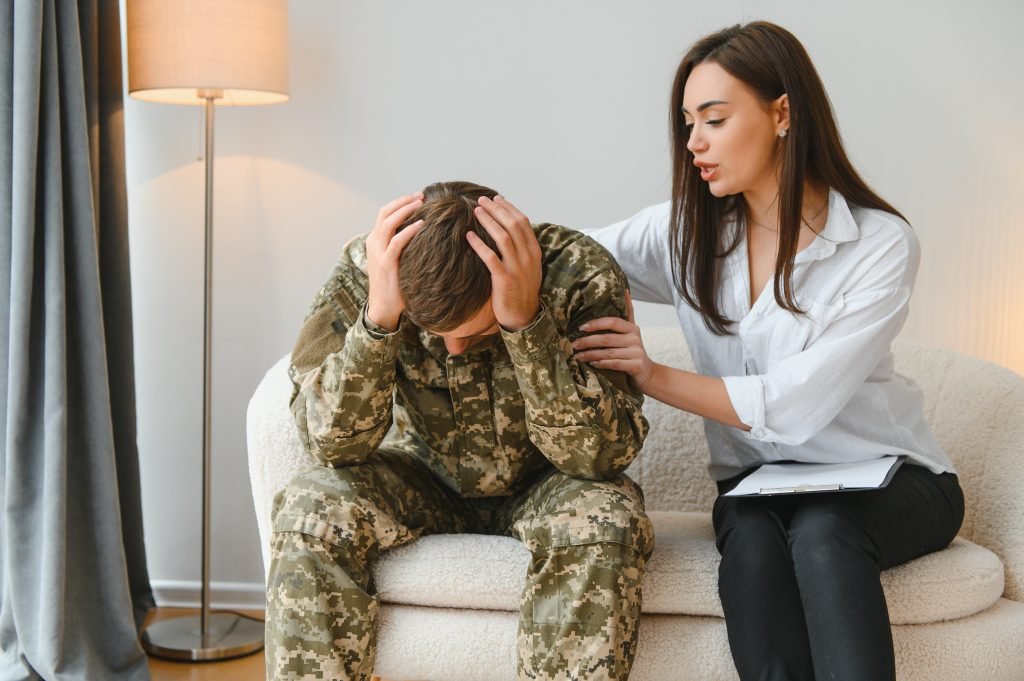
It’s essential to recognize that PTSD affects each individual differently, and the recovery process is not linear. Parents, guardians, and friends should prioritize being present, listening actively, and validating the teen’s feelings. Mistakes often stem from attempting to rush the healing process or minimizing their experiences, which can lead to further emotional distress.
Moreover, many may overlook the importance of peer support in a teen’s recovery. Engaging with others who share similar experiences can foster a sense of belonging. Support groups or therapy involving peers can be beneficial, allowing teens to express themselves freely and learn from one another.
Understanding Teen PTSD
Teen PTSD is often triggered by traumatic experiences such as abuse, accidents, or witnessing violence. Symptoms may include anxiety, flashbacks, or behavioral changes. Understanding these symptoms is crucial for effective support.
Recognizing the signs of PTSD can help caregivers respond appropriately. Common symptoms include withdrawal from social activities, changes in mood, and difficulty concentrating. It’s vital to approach these signs without judgment, as teens may struggle to articulate their feelings.
Many adults underestimate the impact of trauma on adolescents. Teens may not have the emotional tools to express their distress, leading to frustration and miscommunication. Prioritizing education about PTSD can empower caregivers to provide the right kind of support.
Creating a Supportive Environment
A supportive environment is foundational for recovery. This includes fostering trust and safety at home or in social settings. Teens should feel comfortable discussing their feelings without fear of judgment.
Encouraging routines can also provide stability. Regular activities, whether they are family dinners, game nights, or quiet time for reflection, help teens feel anchored. It’s important to balance structure with flexibility, allowing the teen to express their needs.
Many caregivers mistakenly think that giving space is always beneficial. While privacy is important, it’s equally vital to maintain open lines of communication, ensuring the teen knows they are not alone in their struggles.
Effective Communication Strategies
Open communication is vital in supporting a teen with PTSD. This means actively listening and validating their feelings without jumping to solutions or judgments.
Using open-ended questions can encourage deeper conversations, allowing teens to share their thoughts and feelings at their own pace. Phrases like “How did that make you feel?” can invite more extensive dialogue.
One common mistake is assuming that silence means everything is fine. Many teens may not know how to express their pain. Regularly checking in with them, even if they don’t respond, shows that you care and are there for them.
Professional Help and Resources
Professional help is often necessary for effective recovery from PTSD. Therapists trained in trauma-informed care can provide the tools and strategies needed for healing.
Engaging in family therapy can also be beneficial, as it allows everyone involved to understand the dynamics of trauma and healing. Parents should not hesitate to seek guidance from mental health professionals.
Many caregivers mistakenly believe that therapy is a one-size-fits-all solution. It’s essential to explore various therapeutic options, such as cognitive-behavioral therapy (CBT), art therapy, or group therapy, to find what resonates best with the teen.
Further Reading
For those seeking additional resources, numerous organizations offer support and information on teen PTSD recovery. These include mental health associations, local support groups, and online forums where families can connect with others facing similar challenges.
Further Reading
Authoritative Sources
- MedlinePlus
medlineplus.govConsumer-friendly medical and health information from the U.S. National Library of Medicine.
- National Institutes of Health
nih.govResearch-based health information and links to authoritative medical resources.
- Centers for Disease Control and Prevention
cdc.govOfficial public health guidance, prevention resources, and topic-specific recommendations.
- Mayo Clinic
mayoclinic.orgTrusted clinical guidance, symptom explainers, and treatment overviews.
- World Health Organization
who.intGlobal health guidance, fact sheets, and evidence-based public health information.
Frequently Asked Questions
What are the signs of PTSD in teens?
Signs of PTSD in teens can include anxiety, flashbacks, withdrawal from social activities, and changes in mood or behavior.
How can I communicate effectively with a teen experiencing PTSD?
Use open-ended questions, listen actively, and validate their feelings to encourage communication.
What role does peer support play in recovery?
Peer support can help teens feel less isolated and provide a safe space for sharing experiences and coping strategies.
When should I seek professional help for my teen?
Seek professional help if symptoms persist or worsen, affecting daily functioning or emotional well-being.
What are some effective self-care strategies for teens with PTSD?
Encourage activities like journaling, exercise, mindfulness, and creative arts to support emotional expression and healing.
Conclusion
Supporting a teen through PTSD recovery is a journey that requires understanding, patience, and the right resources. Prioritize creating a safe environment, maintaining open communication, and seeking professional help when necessary. Each teen’s path to recovery is unique, and fostering a supportive network is essential for their healing process. Focus on being present and validating their experiences, as this can significantly impact their recovery journey.