
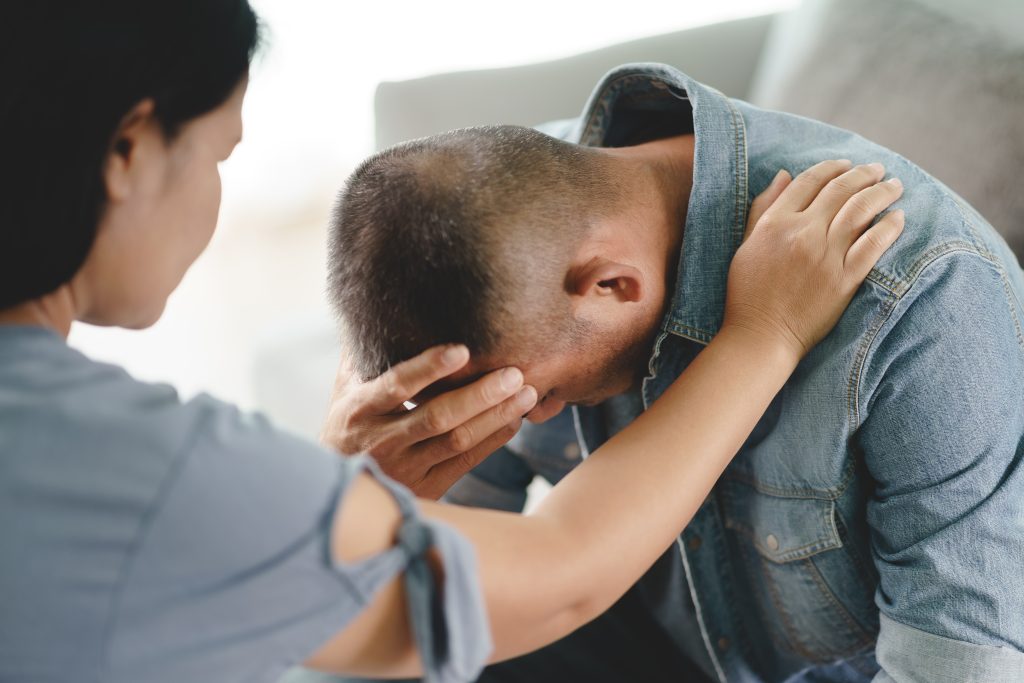
It’s important to recognize that individuals with PTSD may struggle with various symptoms, such as anxiety, flashbacks, or emotional numbness. Understanding these symptoms can help you navigate interactions more effectively. For instance, when they exhibit signs of distress, such as withdrawal or irritability, it’s vital to remain patient and supportive rather than taking it personally or pushing them to engage more than they are comfortable with.
A common mistake many well-intentioned supporters make is to minimize the person’s feelings or experiences. Phrases like “just move on” or “it could be worse” can be damaging and dismissive. Instead, focus on validating their feelings and experiences, acknowledging the challenges they face without judgment. This validation fosters trust and encourages open communication.
Understanding PTSD and Its Impact
PTSD, or Post-Traumatic Stress Disorder, is a mental health condition triggered by experiencing or witnessing a traumatic event. Understanding the symptoms and impact of PTSD is crucial for providing effective support. Symptoms can vary widely, including flashbacks, nightmares, severe anxiety, and uncontrollable thoughts about the event. These symptoms can disrupt daily life and relationships, making it essential for supporters to approach the situation with sensitivity and awareness.
Many individuals with PTSD may experience heightened emotional responses, such as anger or sadness, which can be challenging for both them and their loved ones. Recognizing these symptoms allows supporters to better prepare for potentially difficult interactions. It’s also important to remember that recovery from PTSD is a gradual process, and patience is key.
Often, those who support someone with PTSD may feel helpless or unsure about how to respond. A strong foundational knowledge of PTSD can alleviate some of this uncertainty, enabling supporters to engage more effectively. Additionally, understanding that PTSD is not a sign of weakness can help reshape perceptions and foster a more supportive environment.
Key Strategies to Provide Support
Effective support for someone with PTSD involves several key strategies. First, active listening is crucial. Allow them to express their feelings without interruption, demonstrating that you value their experience. This creates a safe space for them to share their thoughts and feelings.
Another vital aspect of support is to encourage healthy coping mechanisms. Suggest activities that promote relaxation, such as mindfulness, exercise, or creative outlets like art or writing. These activities can help manage symptoms and improve overall well-being. Additionally, offering to accompany them to therapy sessions can provide reassurance and show your commitment to their healing.
Establishing boundaries is also important. While it’s essential to be available, it’s equally important to respect their need for space. Encourage them to communicate their needs, whether it’s needing time alone or wanting to talk. This balance helps maintain a healthy relationship and prevents feelings of overwhelm.
Common Mistakes to Avoid
In the process of supporting someone with PTSD, there are several common mistakes that can hinder their recovery. One significant error is attempting to ‘fix’ their problems or offering unsolicited advice. Instead, focus on being a supportive presence, allowing them to lead the conversation and express their needs.
Another mistake is pushing them to talk about their trauma before they are ready. This can lead to increased anxiety and feelings of vulnerability. Respect their timeline and let them open up at their own pace. Additionally, avoid using clichés or platitudes, as these can come across as dismissive and may invalidate their feelings.
Lastly, neglecting self-care as a supporter can lead to burnout. Supporting someone with PTSD can be emotionally taxing, so it’s essential to maintain your own mental health. Seek support for yourself if needed, whether through friends, family, or professional help.
Encouraging Professional Help
Encouraging your loved one to seek professional help is a vital component of their recovery journey. Many individuals with PTSD may hesitate to pursue therapy due to stigma or fear. As a supporter, you can play a crucial role in normalizing therapy and discussing its benefits openly.
Help them explore options for therapy by researching local mental health professionals or support groups specializing in PTSD. Offer to assist with logistics, such as scheduling appointments or providing transportation. This can alleviate some of the barriers they may face in seeking help.
Additionally, understanding the different types of therapy available, such as cognitive-behavioral therapy (CBT) or eye movement desensitization and reprocessing (EMDR), can help you discuss these options with them. Being informed about treatment methods will enable you to provide valuable insights and support their journey towards healing.
Further Reading
For those interested in learning more about PTSD and how to support individuals affected by it, consider exploring resources from reputable organizations. These can provide additional insights and strategies for effective support.
Authoritative Sources
- National Center for PTSD
ptsd.va.govThis site offers comprehensive resources about PTSD, including treatment options and strategies for supporting loved ones
- National Alliance on Mental Illness (NAMI)
nami.orgNAMI provides resources and support for mental health conditions, including information on PTSD and its effects
Frequently Asked Questions
What are the signs someone has PTSD?
Common signs of PTSD include flashbacks, nightmares, severe anxiety, emotional numbness, and avoidance of reminders of the trauma.
How can I help a friend with PTSD?
Listen actively, validate their feelings, encourage professional help, and respect their boundaries while offering support.
Should I encourage them to talk about their trauma?
Only encourage discussion if they are ready. Pushing them to talk can increase anxiety and feelings of vulnerability.
What should I avoid saying to someone with PTSD?
Avoid minimizing their experience with phrases like “just move on” or “it could be worse.” Instead, validate their feelings.
How can I take care of myself while supporting someone with PTSD?
Prioritize your well-being by seeking support for yourself, setting boundaries, and engaging in self-care activities.
Conclusion
Supporting someone with PTSD is a significant responsibility that requires understanding, patience, and empathy. By recognizing the unique challenges they face and employing effective support strategies, you can play a crucial role in their healing journey. Always prioritize open communication, validation of their experiences, and encouragement of professional help. Remember to also take care of yourself throughout this process, as your well-being is essential for providing the best support possible.