
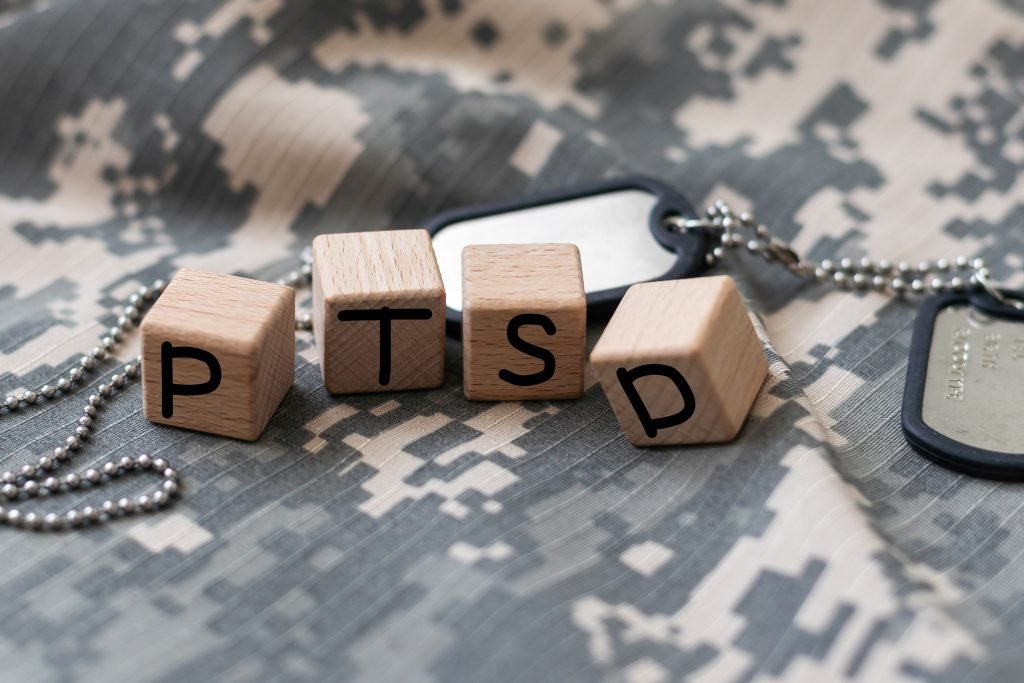
Understanding the journey of healing from PTSD is crucial. Many individuals face significant challenges, including emotional isolation, stigma, and the daunting nature of confronting their trauma. The path to recovery often requires a tailored approach that addresses these hurdles, emphasizing the importance of seeking professional help and building a strong support network. Common pitfalls include underestimating the time required for healing and neglecting the importance of self-care in the recovery process.
Additionally, individuals sometimes overlook the value of community and peer support. Engaging with others who have experienced similar challenges can provide reassurance and practical insights. Establishing a routine that incorporates therapeutic practices, social interaction, and self-care can significantly enhance recovery outcomes.
Understanding PTSD and Its Effects
PTSD, or post-traumatic stress disorder, manifests after exposure to traumatic events, leading to symptoms like anxiety, flashbacks, and emotional numbness. Recognizing the symptoms is the first step towards recovery, as it allows individuals to seek appropriate help. PTSD affects not only the individual but also their relationships and daily functioning, highlighting the need for comprehensive support.
Many people mistakenly believe that PTSD will resolve on its own. In reality, without intervention, symptoms can worsen over time, leading to additional mental health challenges. Understanding the nature of PTSD is vital for both those affected and their loved ones, as it fosters empathy and encourages proactive treatment.
Prioritizing early intervention is crucial. People often delay seeking help due to stigma or fear of judgment, which can exacerbate their condition. Addressing these barriers and promoting awareness about PTSD can facilitate earlier access to effective treatments.
Therapeutic Approaches to Overcome PTSD
Effective therapeutic methods for overcoming PTSD include cognitive behavioral therapy (CBT), exposure therapy, and eye movement desensitization and reprocessing (EMDR). CBT focuses on changing negative thought patterns, while exposure therapy involves gradual confrontation of trauma-related memories. EMDR helps process traumatic memories through guided eye movements.
Choosing the right therapy is essential, as different individuals respond to various approaches. For example, while some may find relief through CBT, others may benefit more from EMDR. Consulting with a mental health professional can aid in identifying the most suitable treatment.
Additionally, therapy effectiveness can be influenced by the therapeutic alliance—essentially, the relationship between the therapist and the client. A strong, trusting relationship can enhance engagement and outcomes, making it a critical factor in the recovery process.
The Role of Support Systems
Support systems, including family, friends, and support groups, are vital in overcoming PTSD. Emotional support helps individuals feel understood and less isolated, which can significantly impact their recovery journey. Involvement in support groups can provide a sense of community and shared experience.
However, not all support is beneficial. Some individuals may encounter well-meaning but uninformed friends or family members who inadvertently minimize their experiences. It is crucial for individuals to communicate their needs clearly and educate their support network about PTSD.
Prioritizing connections with those who understand PTSD can enhance recovery. Seeking out peer support groups or online communities can provide valuable insights and encouragement from others who have faced similar challenges.
Personal Strategies for Coping
In addition to therapy and support systems, personal coping strategies play a significant role in overcoming PTSD. Techniques such as mindfulness, regular physical activity, and creative expression can help individuals manage symptoms and promote emotional well-being. Mindfulness practices, like meditation and deep breathing, can reduce anxiety and increase self-awareness.
It’s important to create a personalized coping plan that incorporates these strategies into daily life. Individuals should experiment with various techniques to identify what works best for them, as coping methods can vary widely in effectiveness.
Lastly, maintaining a healthy lifestyle, including proper nutrition and sleep hygiene, can bolster resilience against PTSD symptoms. Recognizing the interplay between physical and mental health is essential for a comprehensive recovery approach.
Further Reading
Authoritative Sources
- National Center for PTSD
ptsd.va.govA comprehensive resource for understanding PTSD, including treatment options and support networks
- National Alliance on Mental Illness (NAMI)
nami.orgOffers information on mental health conditions, including PTSD, and provides support resources
- American Psychological Association (APA)
apa.orgFeatures articles and resources on psychological treatments for PTSD and mental health
- World Health Organization (WHO)
who.intProvides global resources and guidelines on mental health, including PTSD
Frequently Asked Questions
What are the main symptoms of PTSD?
Main symptoms of PTSD include intrusive memories, avoidance of reminders, negative changes in thinking and mood, and heightened arousal, such as anxiety and irritability.
How long does it take to recover from PTSD?
Recovery time varies widely; some may see improvement within months, while others may take years. Factors include treatment type, support systems, and personal resilience.
Can PTSD be cured completely?
While some individuals may experience significant relief from symptoms, others may manage PTSD as a chronic condition. Effective treatment can lead to substantial improvement.
What role does therapy play in overcoming PTSD?
Therapy is crucial for addressing trauma, developing coping strategies, and facilitating emotional processing, making it a cornerstone of PTSD recovery.
How can family and friends support someone with PTSD?
Support can include listening without judgment, encouraging professional help, and educating themselves about PTSD to provide informed assistance.