
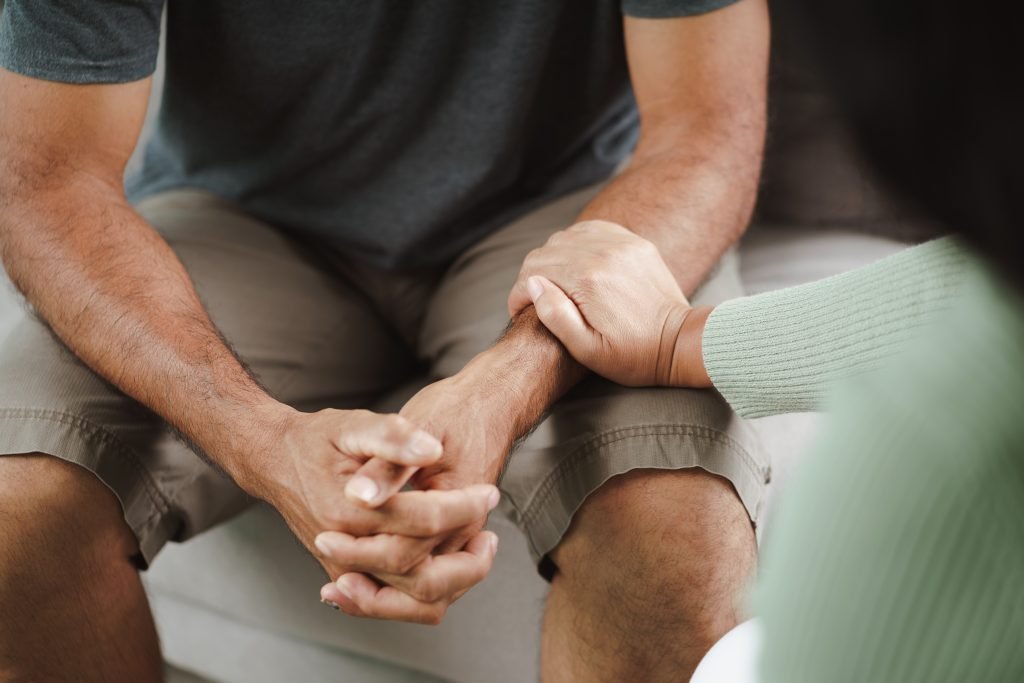
Real-world examples of PTSD recovery often involve a combination of professional therapy, peer support, and self-initiated coping strategies. Many individuals find that sharing their experiences with others—whether through support groups or public forums—can provide essential validation and encouragement. Additionally, some success stories emphasize the importance of finding the right therapist or treatment modality that resonates with the individual’s unique needs.
A common mistake among those suffering from PTSD is the belief that recovery is a linear process. In reality, healing can involve setbacks and may require ongoing adjustments to treatment plans. It’s crucial for individuals to remain patient and adaptable, recognizing that progress may come in waves rather than a steady incline.
Personal Accounts of Recovery
Many PTSD recovery success stories begin with the acknowledgment of trauma and the decision to seek help. For instance, one individual recounts their journey from isolation to connection after joining a support group tailored for veterans. This group not only provided a safe space to share experiences but also facilitated friendships that fostered healing. Such narratives often emphasize the initial struggle to open up, yet the eventual relief found in community support.
Additionally, personal recovery stories frequently highlight the importance of self-advocacy. One survivor illustrates how they navigated the mental health system by researching therapies and insisting on exploring alternative treatments when traditional methods were ineffective. This proactive approach can significantly influence the recovery trajectory.
Readers often overlook the fact that vulnerability is a strength in recovery. Sharing personal stories can empower others to seek help and normalize the conversation around mental health, creating a ripple effect of healing within communities.
Therapeutic Approaches that Work
Effective therapeutic approaches play a crucial role in PTSD recovery. Cognitive Behavioral Therapy (CBT) and Eye Movement Desensitization and Reprocessing (EMDR) are among the most researched and validated methods. Success stories often recount how these therapies helped individuals reframe their trauma narratives and reduce anxiety associated with triggers.
Moreover, many individuals find success with holistic practices such as mindfulness, yoga, and art therapy. For example, one survivor describes how incorporating mindfulness meditation into their daily routine significantly decreased their anxiety levels and improved their overall mental well-being. These practices can complement traditional therapy, offering additional tools for emotional regulation.
It’s essential for readers to consider that not every therapeutic approach will work for everyone. Personalization of treatment is key; thus, experimenting with different modalities and maintaining open communication with healthcare providers is vital for achieving optimal outcomes.
The Role of Community Support
Community support emerges as a cornerstone in many PTSD recovery narratives. Individuals often express how connecting with others who have shared similar experiences can create a powerful sense of belonging and understanding. Support groups, whether online or in-person, can facilitate invaluable exchanges of coping strategies, resources, and emotional support.
Furthermore, community initiatives, such as local workshops and retreats focused on healing, provide safe environments for individuals to explore their trauma and learn from others. These settings can foster healing through shared activities, such as art, music, or outdoor experiences, which promote emotional expression and connection.
Readers should prioritize seeking out community resources as part of their recovery journey. Engaging with others can reduce feelings of isolation and enhance resilience, ultimately leading to more successful recovery outcomes.
Common Pitfalls in Recovery
While many stories of PTSD recovery are inspiring, they also highlight common pitfalls that can hinder progress. One significant issue is the tendency to rush the recovery process. Individuals may feel pressure to “move on” or appear healed, which can lead to suppressing emotions or avoiding necessary conversations about trauma.
Additionally, some may rely too heavily on medication without coupling it with therapeutic support. While medication can be beneficial, it is not a standalone solution. Successful recovery typically involves a multifaceted approach that includes therapy, lifestyle changes, and support systems.
It’s crucial for readers to recognize these pitfalls and approach their recovery with patience and a willingness to adjust their strategies as needed. Acknowledging that healing is a journey, rather than a destination, can foster a healthier mindset toward recovery.
Further Reading
Authoritative Sources
- National Center for PTSD
ptsd.va.govThis resource provides comprehensive information on PTSD, including treatment options and support services
- American Psychological Association – PTSD
apa.orgOffers insights into psychological treatments and research on PTSD recovery
- Psychology Today – PTSD
psychologytoday.comA collection of articles discussing PTSD and personal accounts of recovery experiences
Frequently Asked Questions
What are common signs of PTSD?
Common signs include flashbacks, nightmares, severe anxiety, and uncontrollable thoughts about the traumatic event.
How long does recovery from PTSD take?
Recovery duration varies greatly among individuals; some may see improvement within months, while others may take years.
Can PTSD be completely cured?
While some individuals may fully recover, others may manage symptoms effectively through ongoing therapy and support.
What role does therapy play in PTSD recovery?
Therapy provides tools to process trauma, develop coping strategies, and address underlying emotional issues.
Is medication necessary for PTSD recovery?
Medication can be helpful for some individuals, but it is often most effective when combined with therapy and support.
Conclusion
PTSD Recovery Success Stories reveal the diverse paths individuals take towards healing. By learning from these journeys, readers can gain insights into effective therapeutic approaches, the importance of community support, and the common pitfalls to avoid. Prioritizing self-advocacy, seeking appropriate treatment, and remaining patient with the process are crucial steps in achieving recovery. As each story illustrates, while the journey may be challenging, it is also filled with hope and resilience. Embracing the complexity of recovery can lead to profound personal transformation and a renewed sense of purpose.