
PTSD Support

PTSD Support

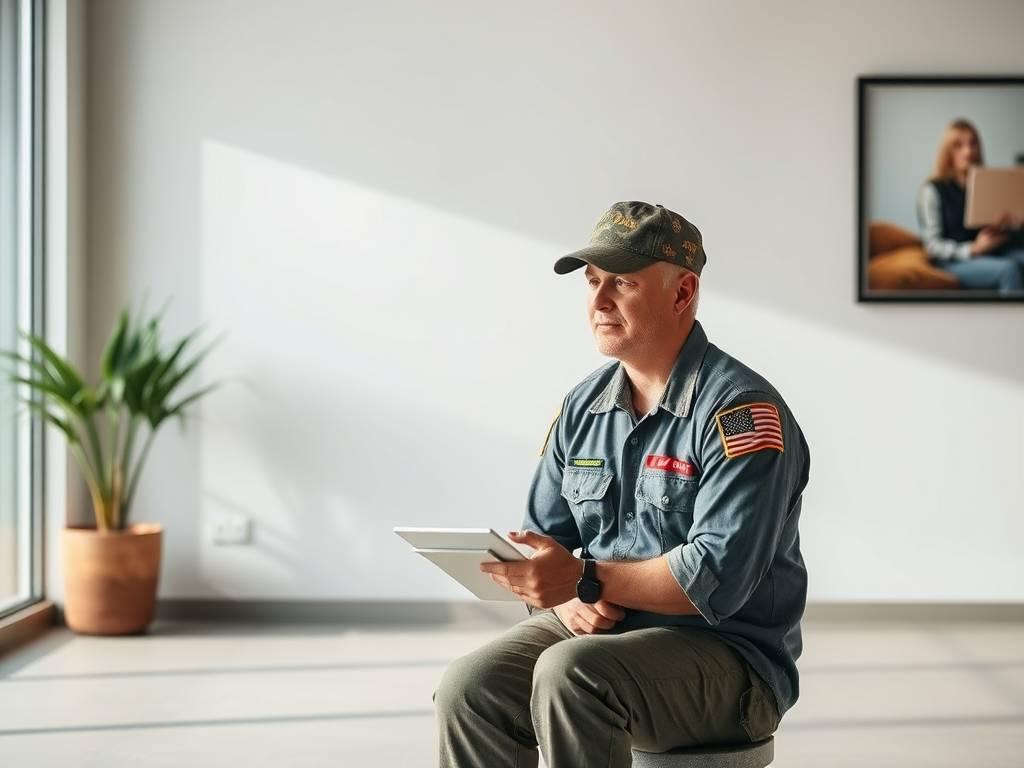
PTSD and Difficulty Making Friends After Military Service: A 4-Part Plan for Safer, Lasting Connections

PTSD and difficulty making friends after military service often develop when hypervigilance, mistrust, emotional numbness, and discomfort with unfamiliar social settings make ordinary conversations feel unsafe or exhausting. A practical response is to begin with predictable, low-pressure contact, choose people who respect clear boundaries, and increase social time gradually rather than forcing crowded gatherings.

PTSD Support

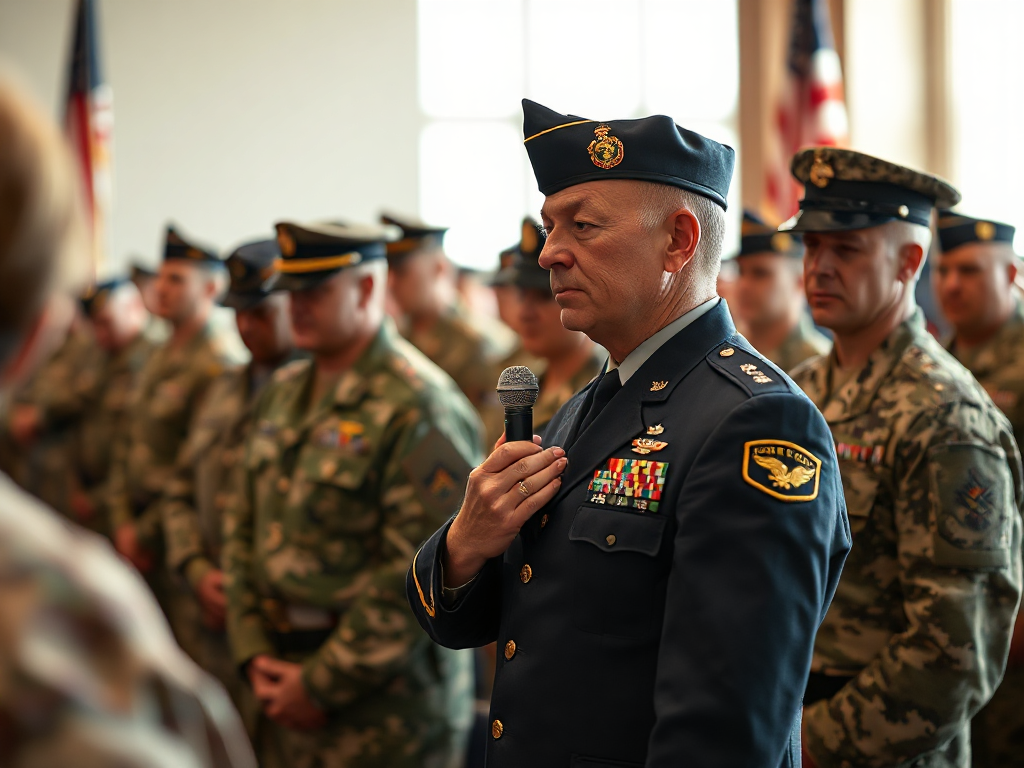
Why Retirement Ceremonies Can Trigger Unexpected PTSD Reactions: Triggers, Timing, and Coping Plans

Retirement ceremonies can trigger unexpected PTSD reactions because public recognition, uniforms, military music, formal commands, crowded rooms, and memories of service may activate the brain’s threat system or unresolved grief at the same time. The event can also remove familiar routines and expose feelings about identity, loss, guilt, or unfinished experiences.

PTSD Support

Why Retirement Can Intensify Previously Manageable PTSD Symptoms (Triggers, Timing, and Next Steps)

Retirement can intensify previously manageable PTSD symptoms because work often supplies structure, distraction, social contact, and a clear sense of purpose that quietly regulates stress. When those supports disappear, unprocessed memories may become more noticeable, sleep schedules can shift, and ordinary changes in identity or finances may increase threat sensitivity.

PTSD Support

Why Hypervigilance Makes Driving Difficult After Military Trauma: Triggers, Risks, and Safer Steps

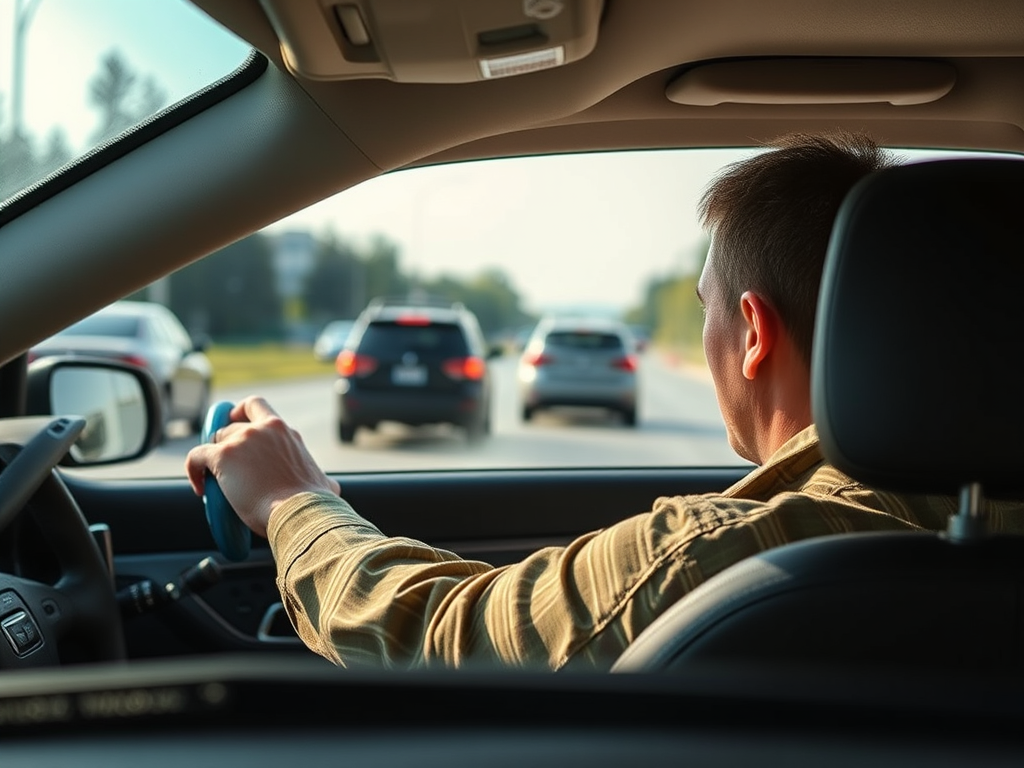
Hypervigilance makes driving difficult after military trauma because the brain may treat ordinary traffic cues—sudden braking, vehicles approaching from behind, roadside objects, or crowded intersections—as possible threats. That heightened scanning can narrow attention, increase muscle tension, speed up decisions, and trigger avoidance, panic, irritability, or dissociation.

Scroll to Top