
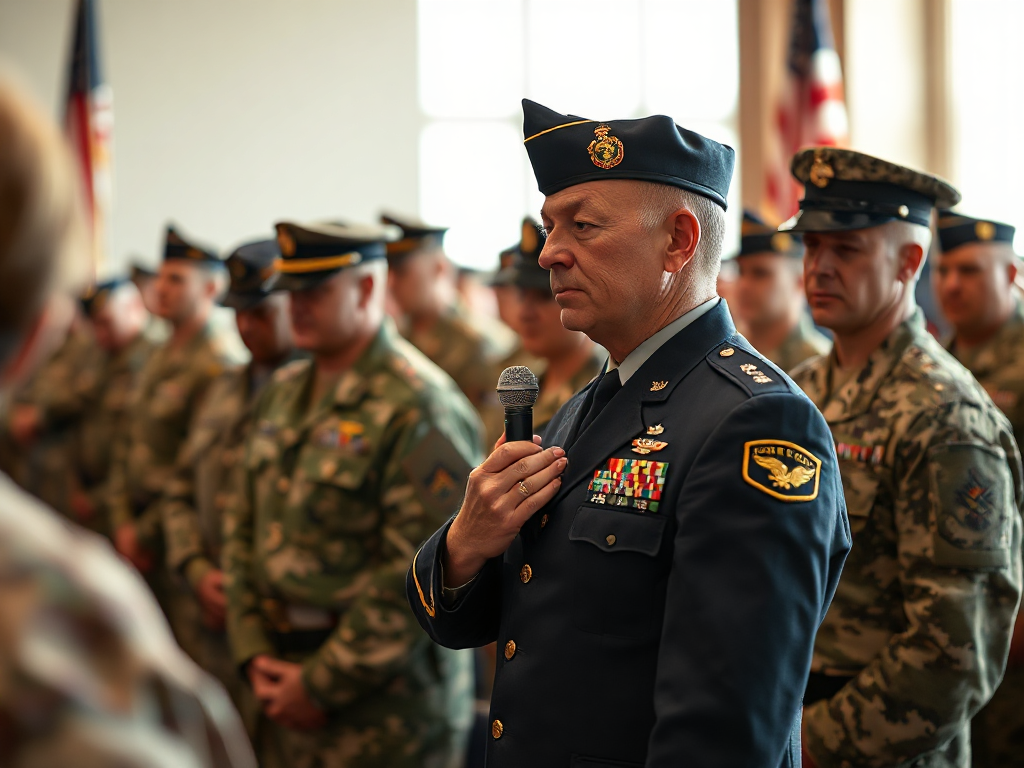
Retirement ceremonies can trigger unexpected PTSD reactions because public recognition, uniforms, military music, formal commands, crowded rooms, and memories of service may activate the brain’s threat system or unresolved grief at the same time. The event can also remove familiar routines and expose feelings about identity, loss, guilt, or unfinished experiences. A person may experience intrusive memories, irritability, panic, emotional numbness, or a strong urge to leave even when the ceremony is meant to be positive. Planning an exit, identifying a trusted support person, limiting sensory triggers, and arranging follow-up with a qualified clinician can make the event more manageable. Severe distress, unsafe behavior, or thoughts of self-harm require immediate professional help.
Why a Retirement Ceremony Can Activate PTSD Symptoms
A retirement ceremony can bring together several powerful reminders of service in one concentrated setting. A uniform, insignia, formal speech, military music, ceremonial commands, familiar faces, and references to past missions may connect the present event with experiences the person has tried to keep compartmentalized. The reaction is not necessarily a sign that the ceremony is unwanted or that the person is ungrateful. A nervous system shaped by trauma can respond to meaning and sensory detail before the person has time to interpret the occasion consciously.
The event may also create a sudden identity shift. Service often provides a defined role, predictable expectations, shared language, and a daily structure. Retirement ceremonies publicly mark the end of that role, which can bring pride and grief together. Someone may be pleased to leave a demanding position while still mourning lost relationships, physical abilities, purpose, or a version of themselves associated with service. PTSD symptoms can become more noticeable when those emotions are exposed in front of family, colleagues, or a large audience.
A useful comparison is the difference between remembering an event privately and encountering a coordinated set of reminders in public. A person might tolerate a photograph at home but react strongly when the same period is represented by a speech, applause, a particular song, and a crowded room. The combination can produce hypervigilance, dissociation, anger, tearfulness, or an urgent need to escape. The response may appear unexpected to others because the visible ceremony is positive, while the internal associations are complicated.
Planning should account for both trauma cues and retirement-related loss. Treating the event as purely celebratory can lead organizers to pressure the retiree into extended remarks, prolonged handshakes, or an unplanned reception. A more realistic approach allows the person to participate without making emotional endurance the measure of success. The why retirement ceremonies can trigger unexpected ptsd reactions question is best addressed by examining the ceremony’s specific cues, the individual’s current symptoms, and the amount of control available to them.
Common Triggers Hidden Inside a Formal Celebration
Retirement ceremonies can contain triggers that are easy to overlook because they are considered respectful traditions. Sudden applause, amplified sound, bright lights, packed seating, blocked exits, or people approaching from behind can raise arousal. A podium, official language, rank-related titles, or a command voice may resemble environments associated with danger or high responsibility. Even a quiet phrase about “sacrifice” or “those who did not come home” can evoke grief, moral injury, or memories that the speaker did not intend to activate.
Social exposure adds another layer. The retiree may feel expected to look composed, accept praise, shake hands, answer personal questions, and speak spontaneously. Those demands can conflict with a need for privacy or a tendency to scan the room for threats. Family members may misunderstand withdrawal as coldness, while colleagues may interpret leaving early as disrespect. Neither interpretation identifies the underlying nervous-system response.
Consider two different examples. One person may become distressed when a ceremonial band begins playing because the sound resembles a deployment environment. Another may remain calm during the formal program but experience symptoms at the reception, where casual questions about the past remove the structure that helped them cope. A third person may react later that night, once the effort of staying controlled has ended. Delayed symptoms can include nightmares, insomnia, headaches, irritability, alcohol cravings, or emotional shutdown.
Weak assumptions create avoidable problems. Telling someone to “focus on the positive” may increase shame, and assuming that a familiar venue is safe may ignore changes in crowd size, acoustics, security, or layout. Before the event, identify the particular features that could raise distress:
- music, sounds, lighting, smells, uniforms, or ceremonial language;
- crowds, seating arrangements, limited exits, or unexpected contact;
- questions about combat, loss, injury, leadership, or retirement plans;
- pressure to speak, remain for the entire event, or accept public emotion.
Reducing one trigger may not be enough if the schedule still removes control. The practical goal is not to eliminate every reminder, which may be unrealistic, but to reduce unnecessary exposure and preserve choices. A short private recognition may be more suitable than a large public program, while another person may prefer a full ceremony with a quiet room available nearby.
How to Prepare Before the Event
Preparation works best when it is specific rather than reassuring in general terms. The retiree, organizer, and trusted support person can review the venue, schedule, guest list, sounds, speaking expectations, and transportation plan. Knowing where the exits, restrooms, quiet spaces, and outdoor areas are located reduces uncertainty. If possible, visit the venue at a similar time of day so the person can assess noise, lighting, parking, and crowd flow.
Control over participation is a central protective factor. The retiree may choose to give a brief statement, pre-record remarks, have another person speak, or decline a speech altogether. They may also decide to attend only the formal portion rather than the reception. These choices are not evidence of failure. They are ways to match the event to current capacity instead of forcing the person to meet an idealized standard of public composure.
A practical plan should name actions, not just intentions. For example, a spouse or colleague can sit near an aisle, monitor signs of escalating distress, and use an agreed phrase to suggest a break. The person can carry water, prescribed medication as directed by their clinician, ear protection if appropriate, and transportation that does not depend on staying until the scheduled end. Alcohol is a poor coping strategy because it can worsen sleep, impulsivity, and next-day symptoms.
Useful preparation questions include:
- Which part of the event is most likely to activate memories or vigilance?
- What signal will indicate that a break is needed before symptoms peak?
- Who can speak with organizers if the schedule changes?
- What is the transportation and follow-up plan if distress continues that evening?
The common mistake is making a plan that depends on the person explaining themselves while already overwhelmed. Share only the necessary information with organizers, such as “Please do not approach from behind” or “The guest may leave without saying goodbye.” A discreet plan protects dignity while giving others enough direction to respond appropriately. The retirement ceremony planning considerations should also include the days afterward, when fatigue and delayed symptoms may appear.
What to Do During and After a Reaction
During a PTSD reaction, reducing stimulation and restoring orientation usually matters more than persuading the person to stay. A trusted support person can use a calm voice, identify the present location, offer a clear choice, and guide the person toward a quieter area if they agree. Short statements such as “You are at the retirement ceremony, and we can step outside” are generally more useful than demanding an explanation or insisting that nothing is wrong.
Grounding should fit the person. Some people benefit from naming objects in the room, feeling both feet on the floor, or slowly describing the date and location. Others find focused breathing uncomfortable, particularly if breath sensations resemble panic. For them, looking toward an open doorway, holding a cool object, or contacting a familiar person may be more tolerable. The response should be collaborative rather than forced; unwanted touching, blocking the exit, or surrounding the person can intensify threat perception.
Signs that the plan is working include slower speech, improved orientation, less scanning, the ability to make a simple choice, and willingness to move to a lower-stimulation setting. Signs that it is failing include escalating agitation, confusion, unsafe driving intentions, substance use, threats, or inability to recognize the present environment. At that point, prioritize physical safety and seek urgent assistance rather than trying to complete the ceremony.
Afterward, avoid turning the event into an interrogation. A brief check-in can establish whether the person is safe, needs transportation, has eaten and had water, and wants clinical support. Write down useful observations while they are fresh: the trigger, time of onset, symptoms, what reduced distress, and what made it worse. This record can help a clinician refine future plans. The response after a PTSD reaction should focus on recovery and information, not blame.
When Professional Support Should Be Added
A single difficult ceremony does not by itself establish a diagnosis or predict how retirement will affect someone long term. Professional assessment becomes more useful when symptoms persist, spread into daily life, or lead to avoidance of needed activities. Intrusive memories, nightmares, panic, emotional numbness, irritability, sleep disruption, increased substance use, or relationship conflict deserve attention when they continue beyond the immediate event or become more intense than the person can manage.
A licensed mental-health professional can help distinguish trauma activation from grief, depression, anxiety, sleep problems, medication effects, or other conditions that may coexist. Treatment decisions depend on the person’s history, preferences, current safety, and access to care. A retirement ceremony is not a test of whether therapy has worked, and a strong reaction does not mean that previous progress has disappeared. It may reveal a combination of cues and losses that had not previously been addressed.
Support is especially important when the ceremony exposes moral pain or bereavement. Praise for service may feel incompatible with guilt about actions taken, people lost, or events that remain unresolved. A well-meaning family member may try to correct those feelings with compliments, but professional space can allow the person to describe them without having to protect the audience’s comfort.
Urgent help is warranted if someone may harm themselves or another person, cannot remain safely oriented, becomes severely intoxicated, or is unable to care for basic needs. In the United States, calling or texting 988 connects people with the Suicide & Crisis Lifeline; emergencies should be directed to local emergency services. For nonurgent support, the person can contact a healthcare professional, a veterans’ health provider, or a recognized trauma service. Seeking help is a response to risk and impairment, not a judgment about character.
Frequently Asked Questions
Can a positive retirement ceremony really trigger PTSD symptoms?
Yes. Positive meaning does not prevent uniforms, music, speeches, crowds, or memories of service from activating a trauma response.
Why might symptoms appear after the ceremony instead of during it?
Maintaining composure during the event can require intense effort. Once the social demand ends, fatigue and reduced distraction may allow nightmares, irritability, or intrusive memories to surface.
Should the retiree skip the ceremony?
Not necessarily. A shorter event, private recognition, quiet exit, or support person may make attendance workable, but participation should remain voluntary and matched to current symptoms.
How can family members respond to a reaction?
Use a calm voice, reduce stimulation, offer a break, avoid unexpected touch, and do not demand an explanation. Seek urgent help if safety becomes uncertain.
When should someone contact a mental-health professional?
Contact a professional when symptoms persist, interfere with sleep or relationships, increase substance use, cause significant avoidance, or involve hopelessness or safety concerns.
Conclusion
Retirement ceremonies can expose the overlap between service identity, trauma reminders, public expectations, grief, and the loss of familiar structure. The most useful response is not to demand composure or assume that a strong reaction cancels years of progress. Identify likely cues, preserve an exit, choose a trusted support person, and agree in advance on how participation can be shortened or adapted. After the event, watch for delayed sleep problems, intrusive memories, substance use, or withdrawal rather than judging the reaction by what happened in the room. Persistent or unsafe symptoms deserve professional attention, particularly when retirement is also bringing major changes in purpose, relationships, or daily routine. A ceremony can honor service without requiring anyone to endure preventable distress.
Additional Resources
Authoritative Sources
- NIMH Post-Traumatic Stress Disorder
nimh.nih.govResearch-based information about PTSD symptoms, risk factors, and treatment.