
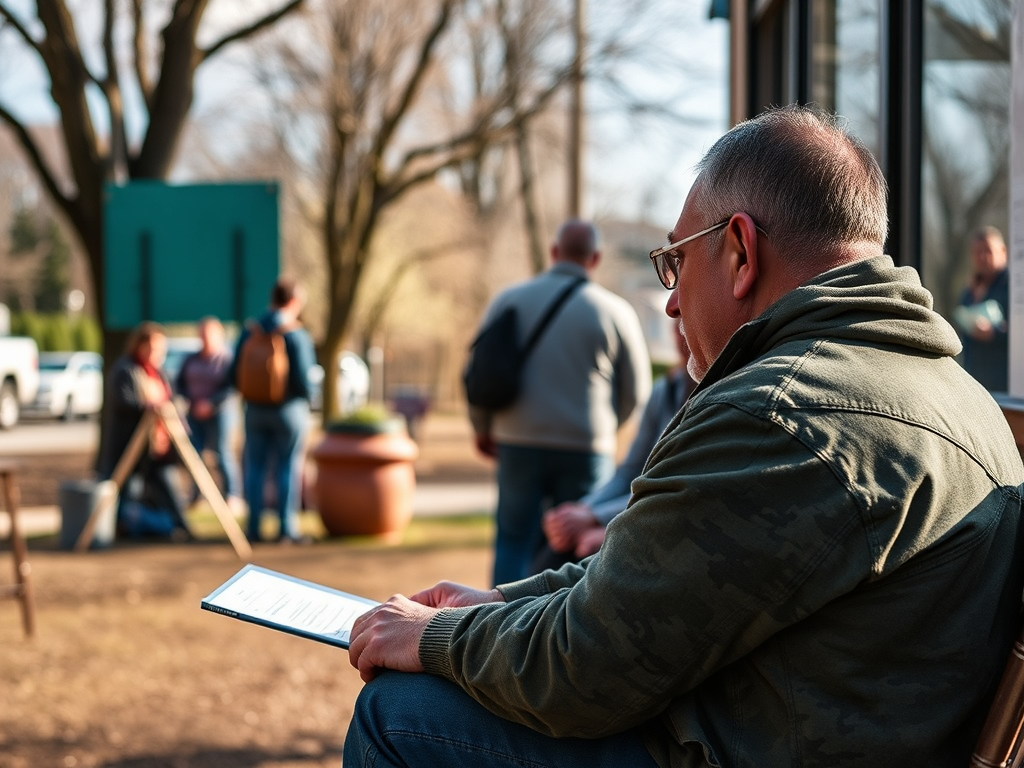
Exploring community resources for veteran PTSD support involves identifying effective programs and local initiatives that provide mental health assistance, peer support, and coping strategies. Key resources include veteran service organizations, local support groups, and specialized therapy programs that address the unique challenges faced by veterans. Engaging with these resources can significantly improve mental health outcomes and foster a sense of community among veterans.
Understanding PTSD and Its Impact on Veterans
Post-Traumatic Stress Disorder (PTSD) affects many veterans, stemming from experiences during military service. Understanding its impact is crucial for recognizing the need for support. PTSD can manifest through symptoms such as flashbacks, anxiety, and emotional numbness, which can significantly hinder daily functioning. Veterans may also face challenges in reintegrating into civilian life, leading to feelings of isolation and hopelessness. Addressing these issues through community resources is essential for recovery and reintegration.
PTSD is not just a personal struggle; it affects families, friends, and communities. The ripple effects can disrupt relationships and lead to broader societal issues, emphasizing the importance of community-based support systems. By fostering an environment where veterans can openly discuss their experiences and seek help, communities can play a pivotal role in recovery.
Understanding PTSD and Its Impact on Veterans matters because it turns exploring community resources for veteran PTSD support from a broad idea into a decision the reader can actually apply. The practical difference usually shows up in the details: how much is needed, when the choice is made, what tradeoff is acceptable, and what sign shows the approach is working. For technology topics, the strongest advice connects the user goal, system constraint, maintenance burden, and measurable outcome.
A useful way to handle this section is to compare the normal baseline with the situation that creates extra demand. If ptsd is the baseline concern, then support becomes the adjustment point and veterans becomes the outcome to watch. That keeps the advice specific without forcing the reader into a rigid formula that may not fit their routine, budget, tolerance, schedule, or current level of experience.
The most common mistake is changing too many variables at once. A better approach is to choose one measurable adjustment, use it consistently long enough to see a pattern, and then refine the next step based on energy, comfort, performance, safety, or reliability. This makes the guidance easier to trust because the reader can connect the recommendation to what they observe rather than guessing from a generic checklist.
The practical takeaway is to make the section actionable: identify the main constraint, choose the smallest useful change, and compare the result against the goal. When the outcome improves, the reader can keep the approach. When it does not, the next change should target the most likely bottleneck rather than repeating the same step with more effort.
Key Community Resources for PTSD Support
Several community resources are dedicated to supporting veterans with PTSD. Notable programs include:
- Veteran Service Organizations (VSOs): Groups like the American Legion and Veterans of Foreign Wars (VFW) provide advocacy, resources, and a sense of belonging. They often organize support groups specifically for veterans struggling with PTSD.
- Local Support Groups: Many communities host peer-led support groups where veterans can share their experiences in a safe environment. These groups foster camaraderie and understanding among participants.
- Therapy Programs: Various local mental health clinics offer specialized therapy for veterans, including Cognitive Behavioral Therapy (CBT) and Eye Movement Desensitization and Reprocessing (EMDR), which are effective in treating PTSD.
- Online Resources: Websites like the National Center for PTSD provide valuable information, self-help tools, and access to online therapy options, making it easier for veterans to seek help from the comfort of their homes.
These resources not only provide immediate support but also help veterans build long-term coping mechanisms and resilience. Engaging with these programs can lead to improved mental health and a stronger sense of community.
Key Community Resources for PTSD Support matters because it turns exploring community resources for veteran PTSD support from a broad idea into a decision the reader can actually apply. The practical difference usually shows up in the details: how much is needed, when the choice is made, what tradeoff is acceptable, and what sign shows the approach is working. For technology topics, the strongest advice connects the user goal, system constraint, maintenance burden, and measurable outcome.
A useful way to handle this section is to compare the normal baseline with the situation that creates extra demand. If resources is the baseline concern, then ptsd becomes the adjustment point and support becomes the outcome to watch. That keeps the advice specific without forcing the reader into a rigid formula that may not fit their routine, budget, tolerance, schedule, or current level of experience.
How to Access and Utilize These Resources
Accessing community resources for PTSD support requires understanding the various options available and knowing how to navigate them effectively. Veterans should start by reaching out to local VSOs, which can provide guidance on available programs and services in their area. Many organizations have dedicated staff who can assist with the application process for benefits or enroll veterans in support programs.
Another effective approach is to connect with fellow veterans who have utilized these resources. Peer recommendations can provide insights into which programs are most beneficial and how to approach them. Additionally, veterans can explore online platforms that offer virtual support groups, which can be particularly helpful for those with mobility issues or those living in remote areas.
It’s essential for veterans to actively participate in the programs they choose. Regular attendance in support groups, engaging with therapists, and utilizing self-help resources can significantly enhance the benefits of these community offerings. Setting realistic goals for participation can help maintain motivation and commitment to the recovery process.
How to Access and Utilize These Resources matters because it turns exploring community resources for veteran PTSD support from a broad idea into a decision the reader can actually apply. The practical difference usually shows up in the details: how much is needed, when the choice is made, what tradeoff is acceptable, and what sign shows the approach is working. For technology topics, the strongest advice connects the user goal, system constraint, maintenance burden, and measurable outcome.
A useful way to handle this section is to compare the normal baseline with the situation that creates extra demand. If resources is the baseline concern, then support becomes the adjustment point and programs becomes the outcome to watch. That keeps the advice specific without forcing the reader into a rigid formula that may not fit their routine, budget, tolerance, schedule, or current level of experience.
Common Challenges in Seeking Support
Despite the availability of numerous resources, many veterans face challenges when seeking support for PTSD. One significant barrier is the stigma associated with mental health issues, which can deter veterans from reaching out for help. Many fear being judged or viewed as weak, leading to isolation and exacerbation of their symptoms.
Another challenge is the complexity of navigating VA benefits and resources. The process can be daunting, with paperwork and eligibility requirements that may overwhelm veterans. It’s essential for community organizations to provide clear guidance and support to help veterans understand their options.
Ultimately, access to transportation can be a significant hurdle, especially for those in rural areas. Community programs should consider offering transportation assistance or virtual options to ensure that all veterans can access the support they need. Overcoming these barriers requires a concerted effort from both veterans and the organizations that serve them.
Common Challenges in Seeking Support matters because it turns exploring community resources for veteran PTSD support from a broad idea into a decision the reader can actually apply. The practical difference usually shows up in the details: how much is needed, when the choice is made, what tradeoff is acceptable, and what sign shows the approach is working. For technology topics, the strongest advice connects the user goal, system constraint, maintenance burden, and measurable outcome.
A useful way to handle this section is to compare the normal baseline with the situation that creates extra demand. If support is the baseline concern, then veterans becomes the adjustment point and community becomes the outcome to watch. That keeps the advice specific without forcing the reader into a rigid formula that may not fit their routine, budget, tolerance, schedule, or current level of experience.
Frequently Asked Questions
What is PTSD, and how does it affect veterans?
PTSD is a mental health condition triggered by experiencing or witnessing traumatic events, significantly affecting veterans' daily lives and relationships.
What challenges do veterans face in seeking PTSD support?
Common challenges include stigma, complex VA processes, and transportation issues, which can hinder access to necessary support.
How can community organizations better support veterans with PTSD?
Organizations can offer clear guidance, provide transportation assistance, and create welcoming environments to reduce stigma and encourage engagement.
Conclusion
Community resources play a vital role in supporting veterans with PTSD. By understanding the available programs and actively engaging with them, veterans can improve their mental health and rebuild connections with their communities. Overcoming barriers to access, such as stigma and logistical challenges, is essential for enhancing the effectiveness of these resources. Veterans are encouraged to reach out, seek help, and utilize the support systems in place to facilitate their healing journey.
Further Reading
Authoritative Sources
- Library of Congress Research Guides
guides.loc.govResearch guides that help readers locate reliable background sources on a wide range of subjects.
- USA.gov Official Information and Services
usa.govOfficial U.S. government information and public resources for practical reference.
- Google Scholar
scholar.google.comAcademic search resource for finding research literature and source material.