
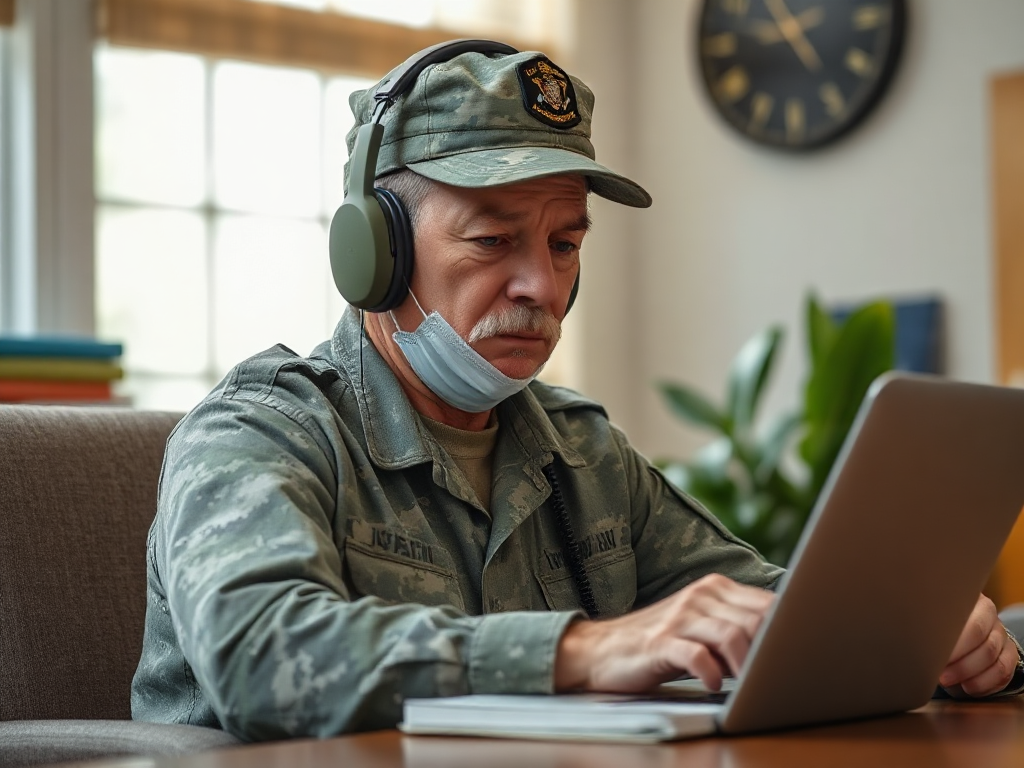
To help a veteran in crisis, it’s essential to provide compassionate emotional support and encourage them to seek professional assistance. Recognizing signs of distress, such as withdrawal or irritability, allows you to intervene effectively. Engage them in conversation using open-ended questions to foster a safe space for sharing their feelings. Additionally, connecting them with resources like crisis hotlines and mental health services can be a vital step in their recovery.
Recognizing Signs of Crisis
Identifying when a veteran is in crisis is the first step in providing effective support. Common signs include emotional withdrawal, increased irritability, anxiety, and difficulty concentrating. These indicators often stem from underlying issues such as PTSD or depression, which can be exacerbated by stressors like unemployment or relationship problems. Understanding these signs can help you intervene appropriately.
For instance, if a veteran suddenly isolates themselves or expresses feelings of hopelessness, these may be calls for help. Recognizing these signs allows friends and family to take proactive steps to offer support. It’s essential to approach the situation with empathy and understanding, as veterans may feel stigmatized or reluctant to share their struggles.
Effective Communication Strategies
When communicating with a veteran in crisis, the approach you take can significantly impact their willingness to open up. Active listening is crucial; show that you genuinely care by maintaining eye contact, nodding, and using affirming language. Avoid offering unsolicited advice or making judgments, as this can increase their feelings of isolation.
Instead, ask open-ended questions that encourage them to express their feelings. Phrases like “How are you feeling about everything?” or “What can I do to help?” can invite conversation without pressure. It’s also important to respect their boundaries; if they are not ready to talk, let them know you’re there for them when they are ready.
Resources and Support Systems
Providing information about resources can be a lifeline for veterans in crisis. Organizations such as the Veterans Crisis Line offer 24/7 support through phone and text, making it easier for veterans to reach out when they need help. Additionally, local community centers and veteran organizations often provide mental health services, peer support groups, and recreational activities that foster connection.
Furthermore, online platforms can also be beneficial. Websites dedicated to veteran support offer forums where veterans can share experiences and advice in a safe environment. Encouraging veterans to engage with these resources can help them find community and support outside their immediate circle.
Encouraging Professional Help
Encouraging a veteran to seek professional help is vital. Mental health professionals can offer tailored support and strategies that friends and family may not be equipped to provide. If a veteran is hesitant, gently suggest that seeking help is a sign of strength, not weakness. Highlight the benefits of professional guidance, such as coping strategies for managing anxiety or depression.
Offer to assist in finding a therapist or attending the first appointment with them. This can alleviate some anxiety about the process and show that you are committed to their well-being. Remember that professionals can provide not just therapeutic support but also connect veterans with additional resources like support groups or medication management.
For more resources and information on supporting veterans in crisis, consider visiting official websites such as the Veterans Crisis Line or VA PTSD Resources.
Frequently Asked Questions
What should I do if a veteran expresses suicidal thoughts?
Immediately encourage them to contact a crisis hotline or seek professional help. Stay with them and ensure they are safe until help arrives.
How can I effectively listen to a veteran in crisis?
Practice active listening by giving them your full attention, avoiding interruptions, and validating their feelings without judgment.
How can I encourage a veteran to seek professional help?
Explain that seeking help is a sign of strength, offer to help find a therapist, and suggest attending the first appointment with them for support.
What are the common signs of a veteran in crisis?
Signs include emotional withdrawal, increased irritability, anxiety, and difficulty concentrating; recognizing these can prompt timely support.
Conclusion
Helping a veteran in crisis requires awareness, empathy, and the willingness to provide support. Recognizing signs of distress, communicating effectively, and guiding them toward professional resources are essential steps. Remember, your role is to listen and support, not to fix their problems. By being there, you can significantly impact their journey toward recovery and well-being.